
Last updated November 4, 2026
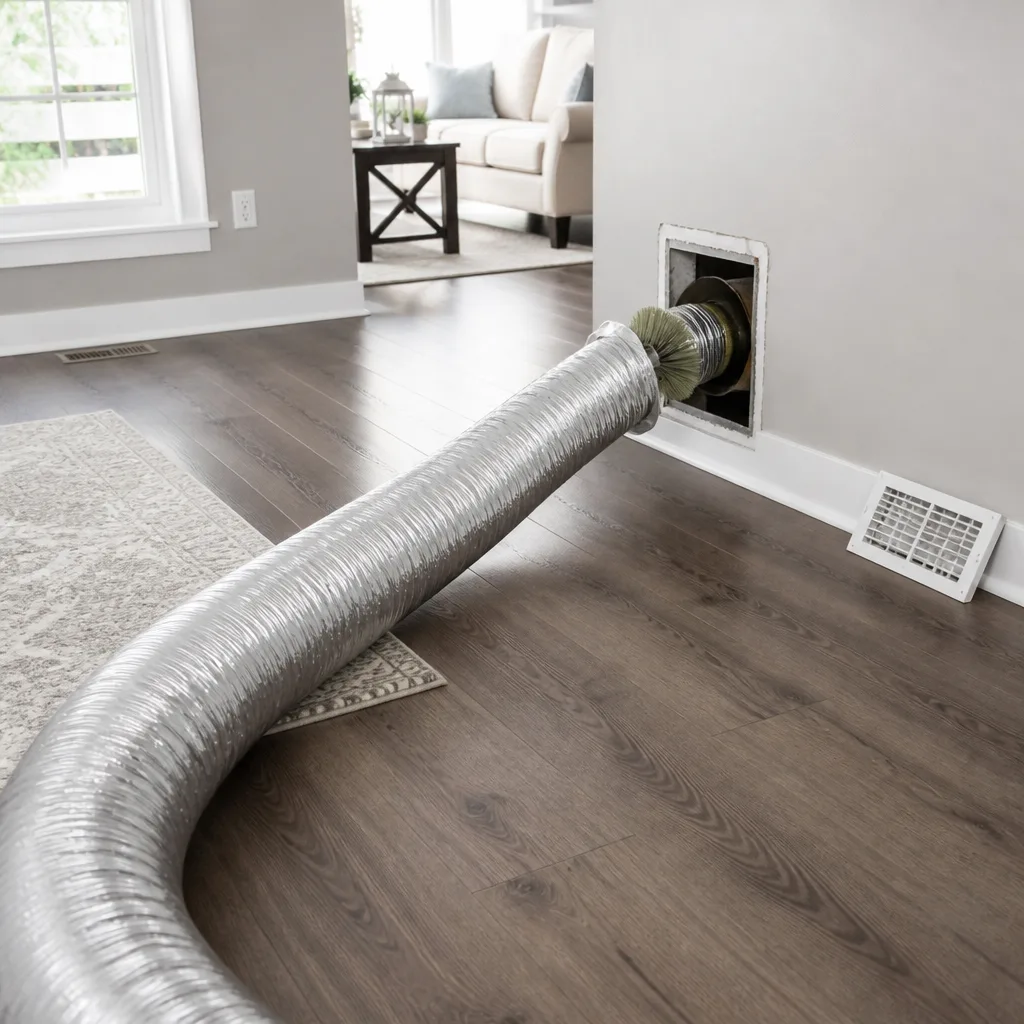 Whole-home duct cleaning
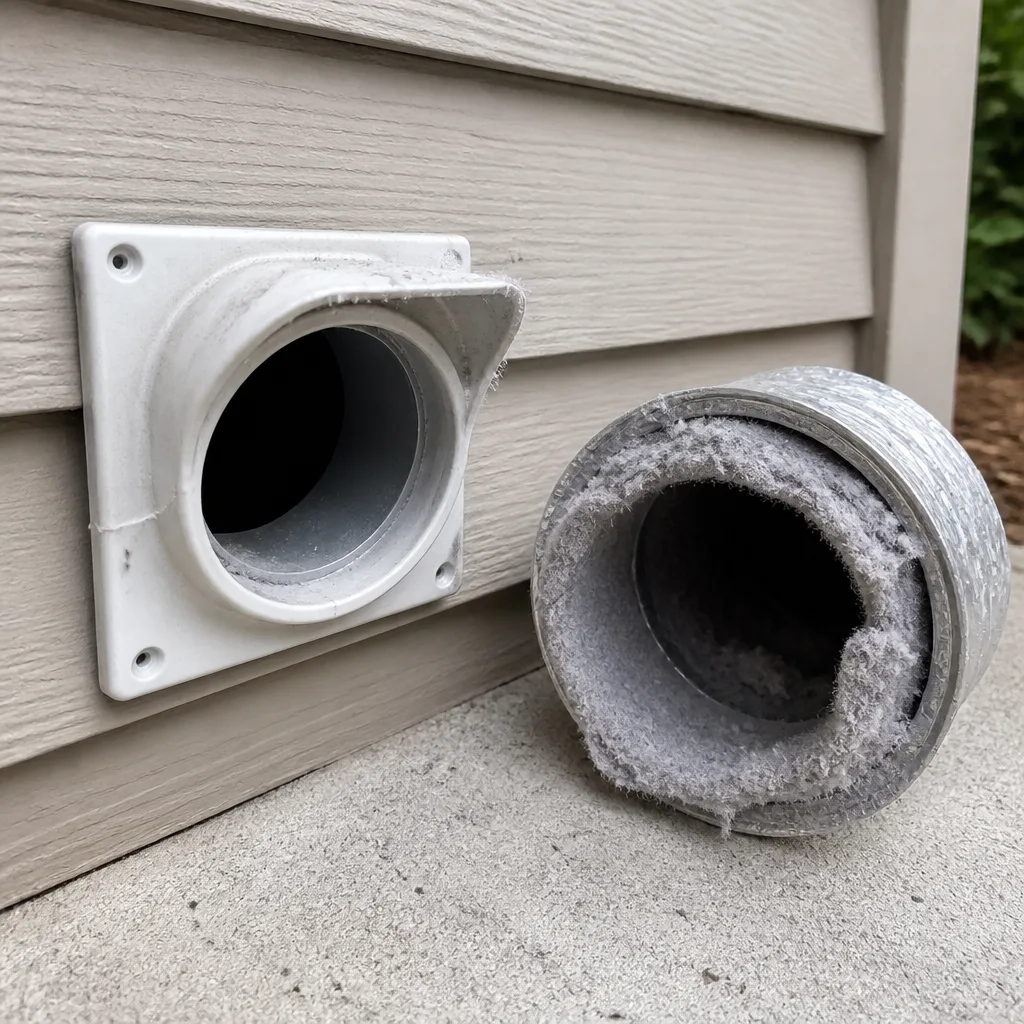 Dryer vent cleaning
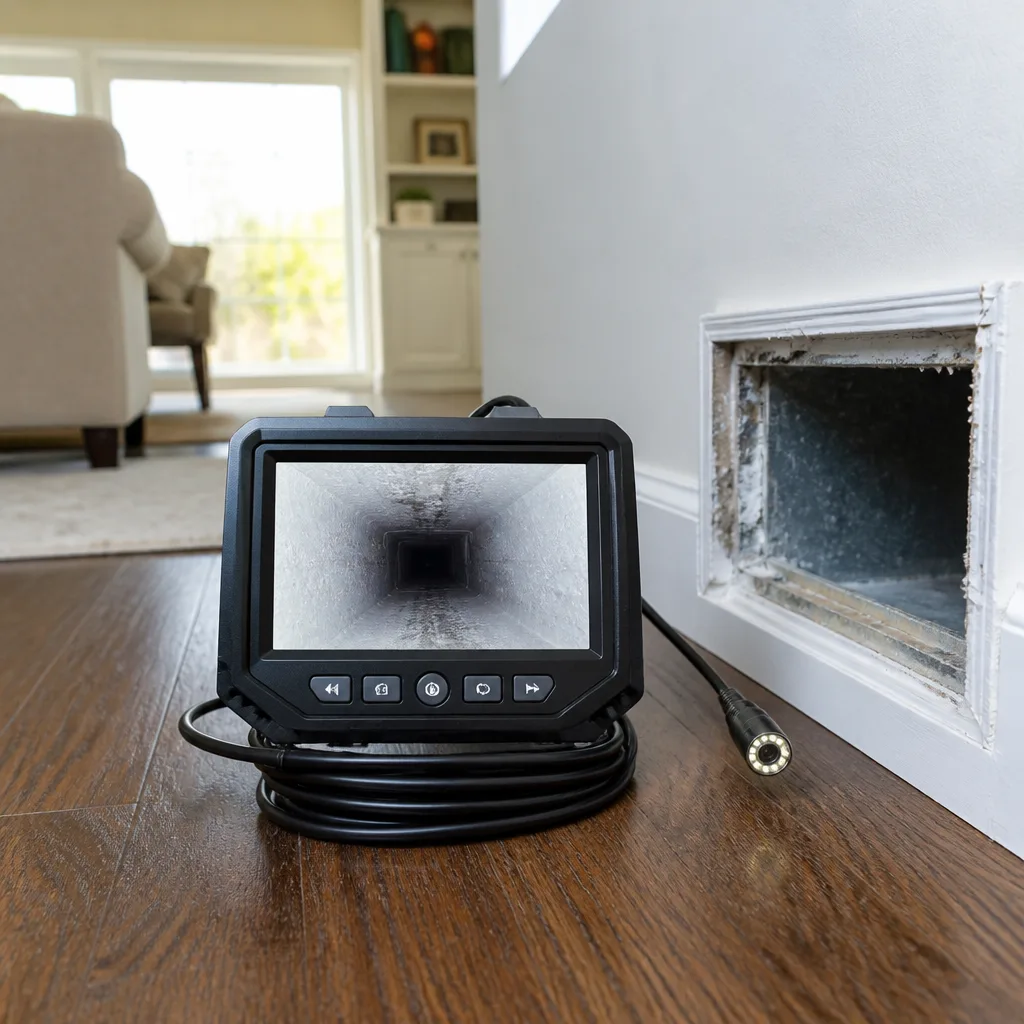 Camera inspection
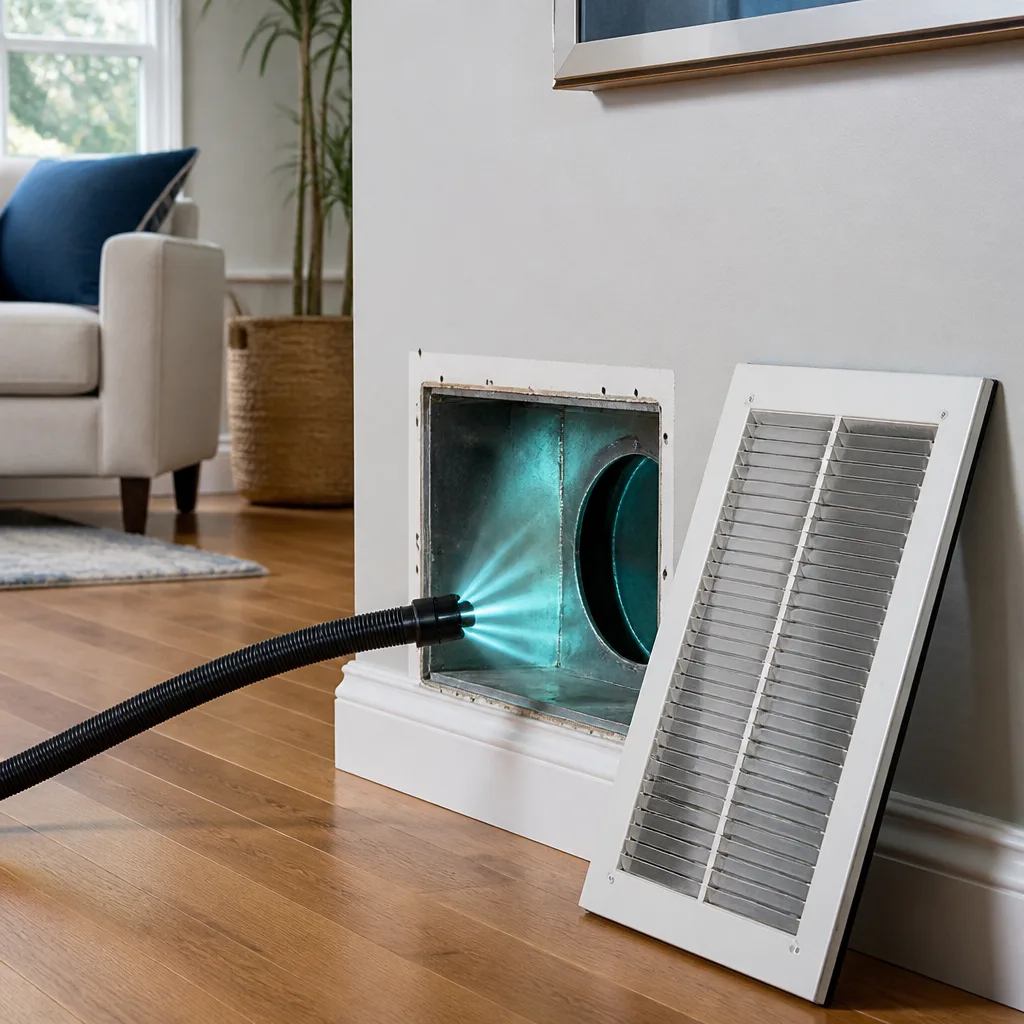 Sanitizing & deodorizing
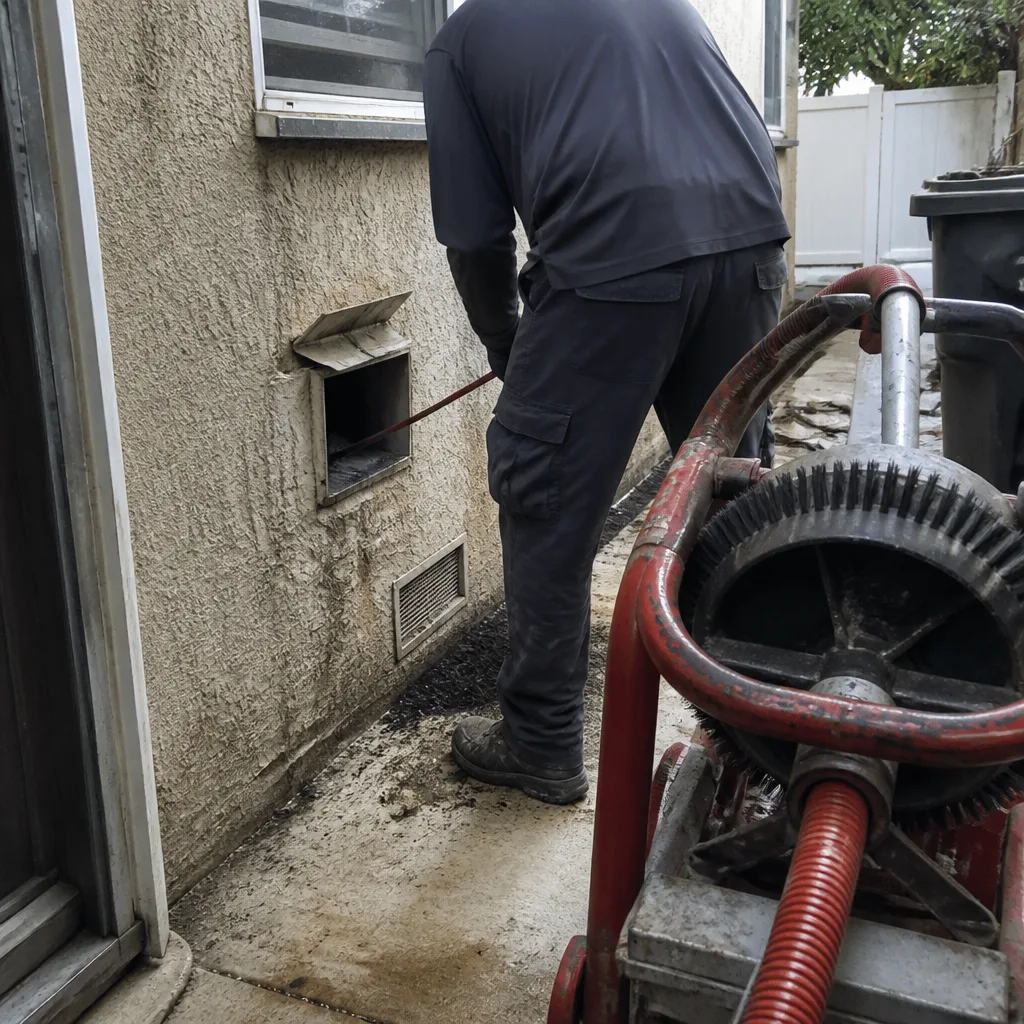
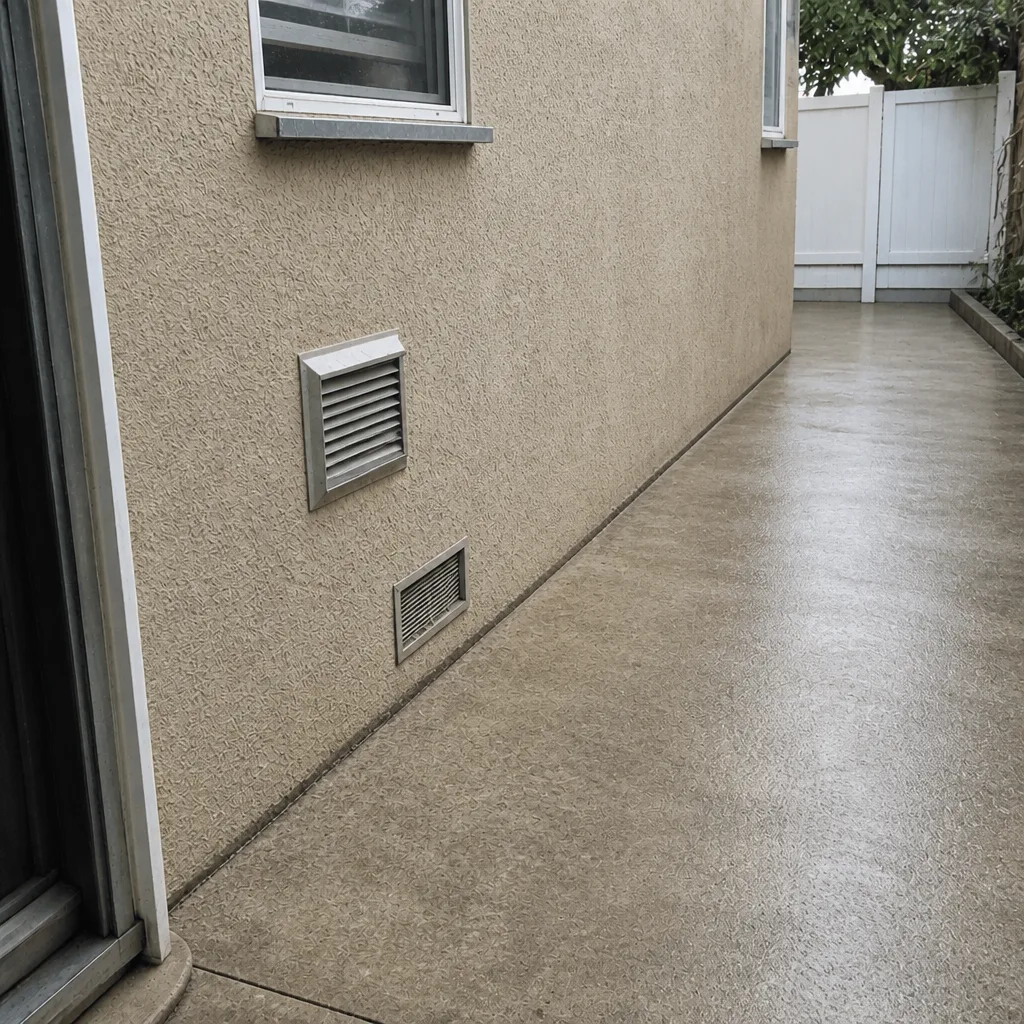
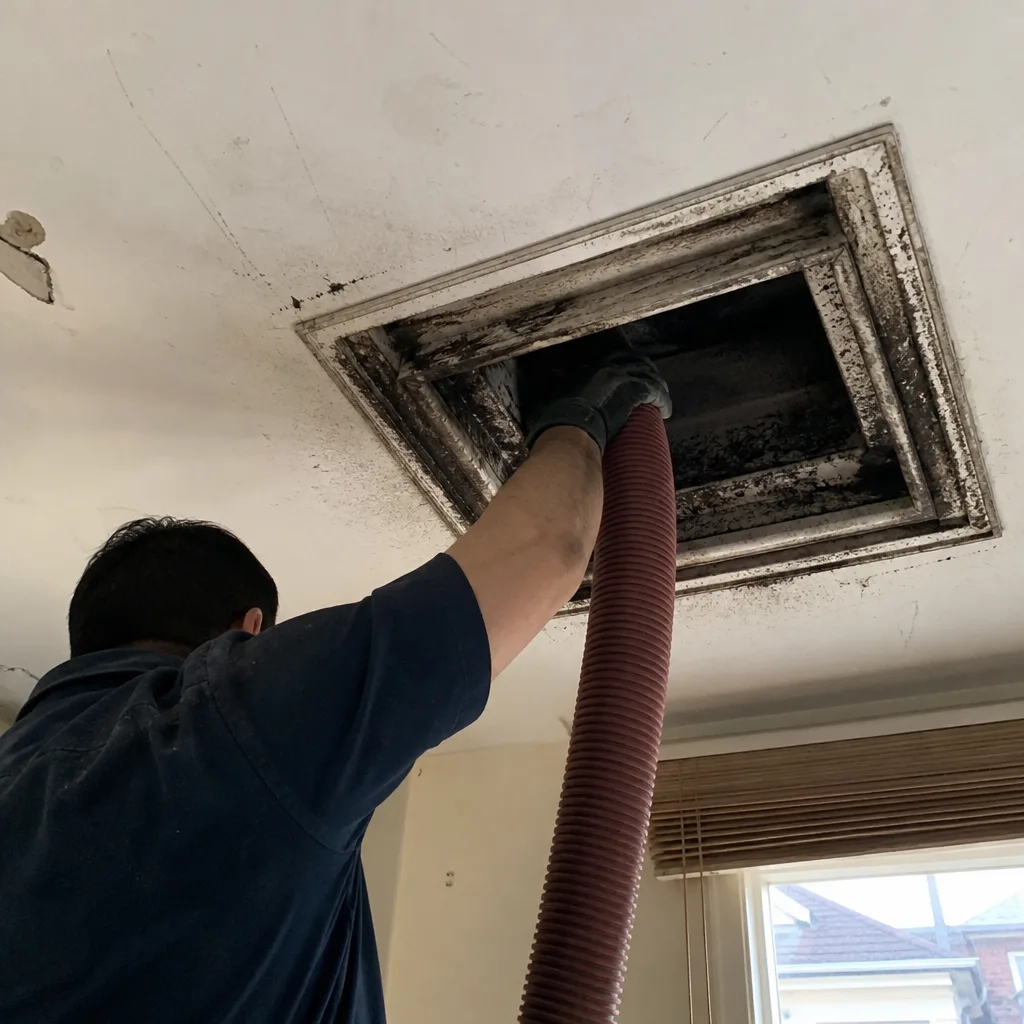
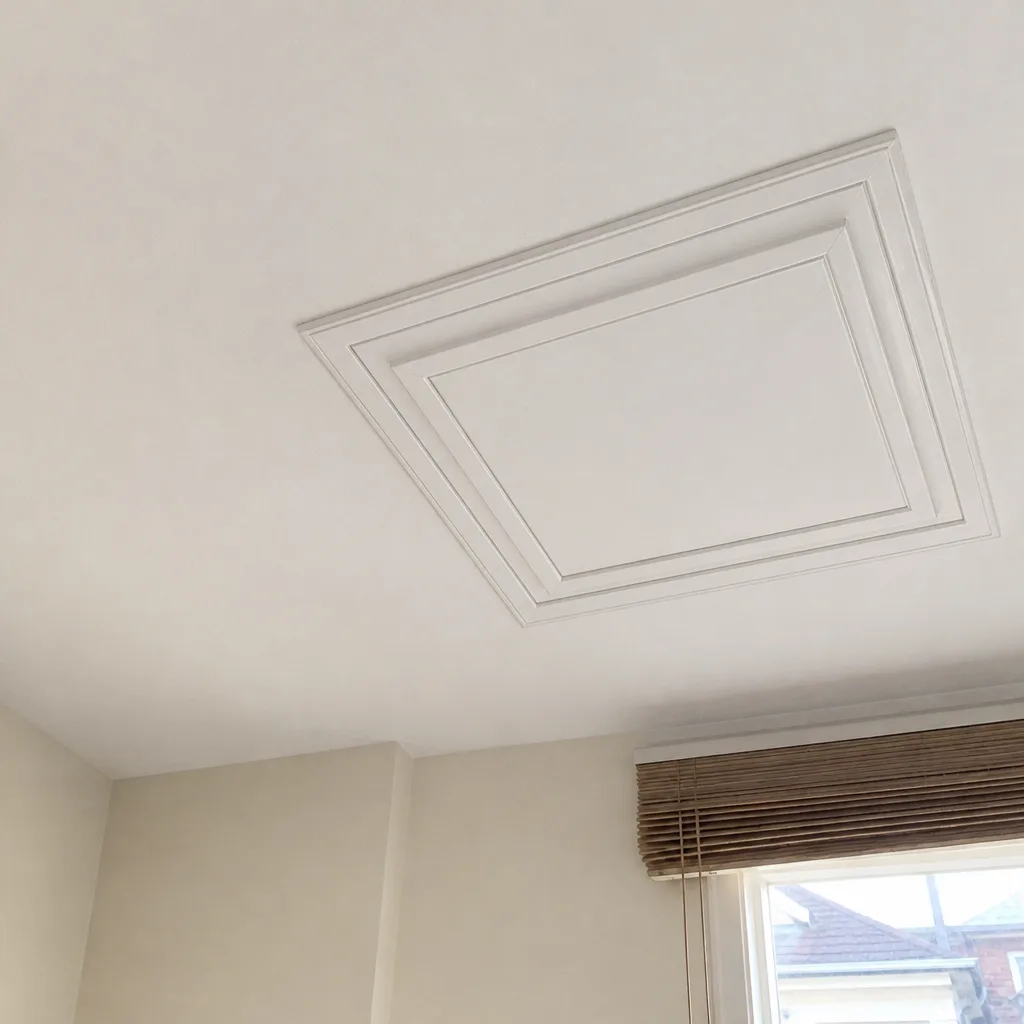
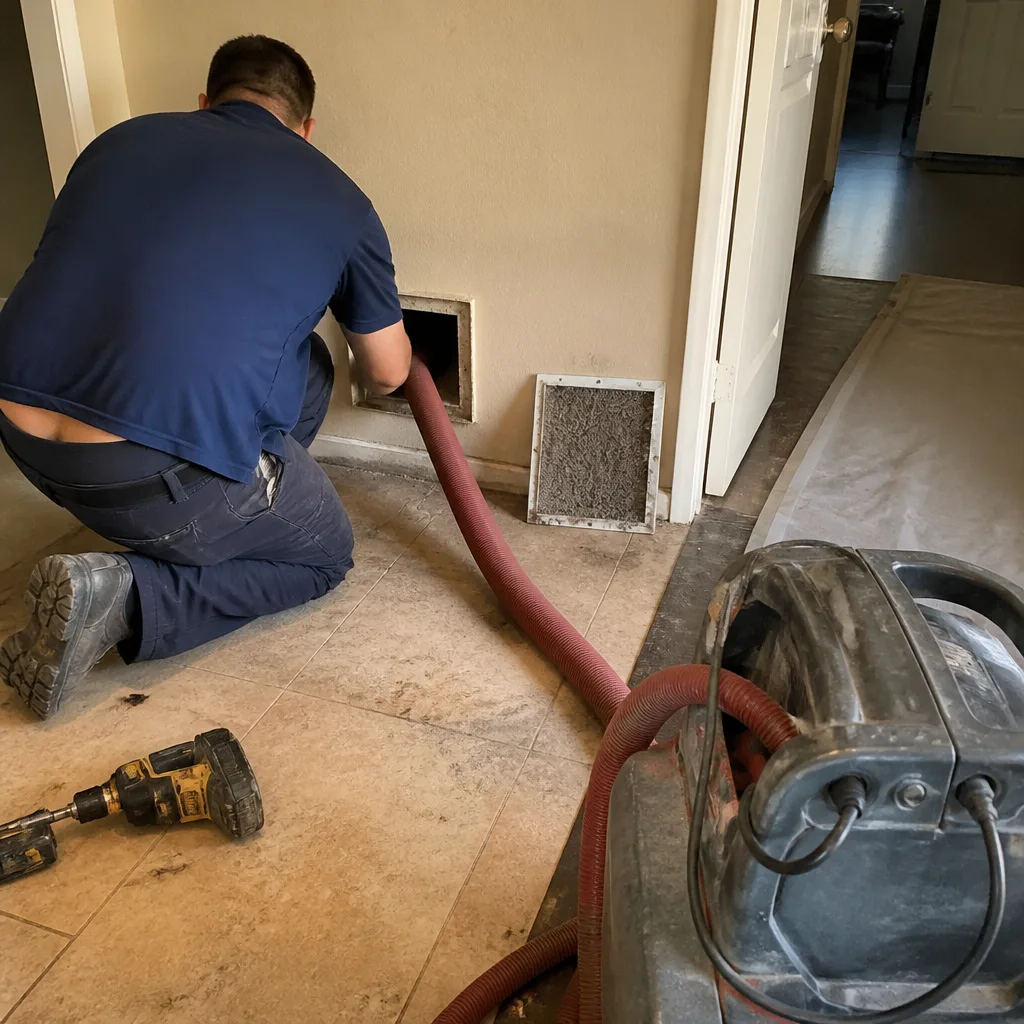
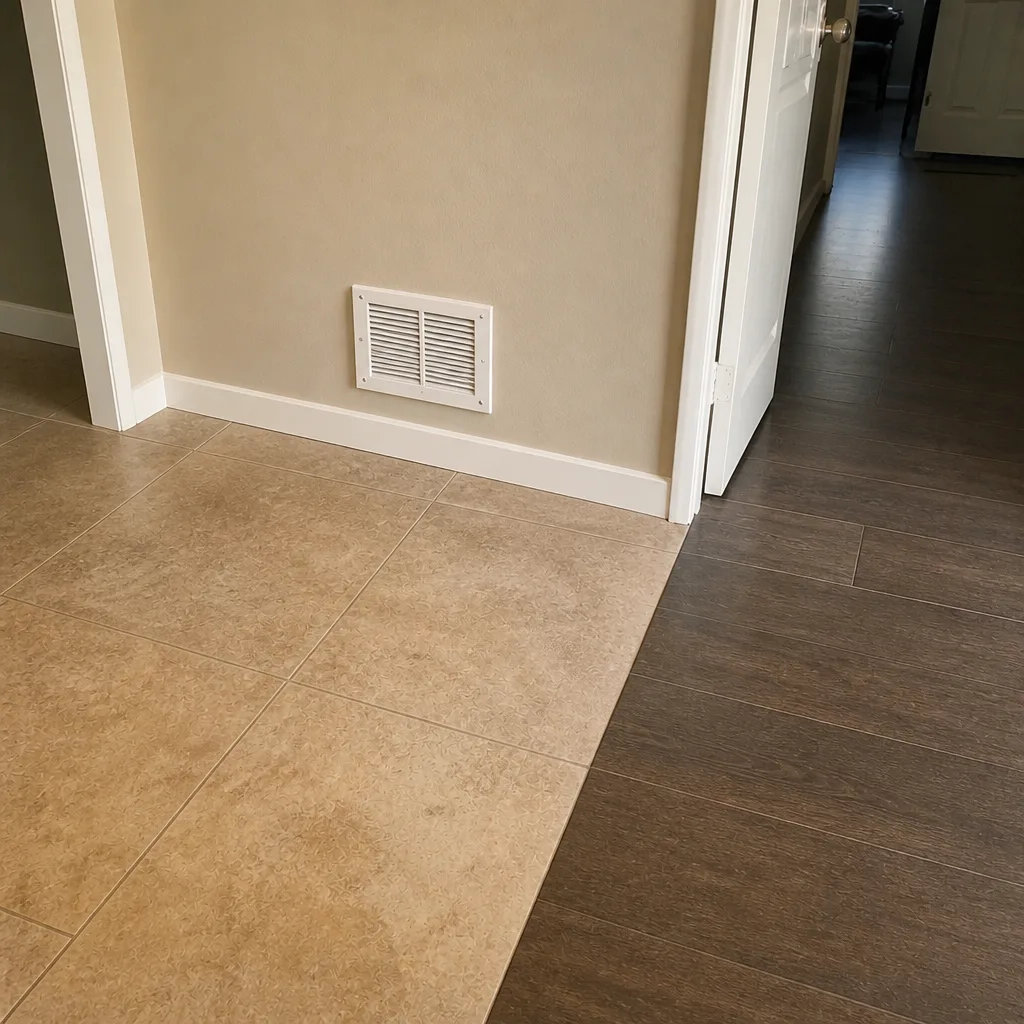
Whole-system duct and dryer vent check with before-and-after photos - you see exactly what came out of your vents
That "$99 whole-house special" is a bait ad - the real number appears once they are in your hallway, or the "clean" is a shop-vac at the register. We photograph the inside of your ducts before and after instead.
DIY vs Professional Air Duct Cleaning: The Hawthorne Homeowner’s Decision Guide
Most people assume the DIY-versus-pro question comes down to skill: can you operate the equipment, or not? That’s the wrong frame. The real issue is equipment physics. A rented duct cleaning kit from the hardware store generates roughly one-tenth the negative pressure of professional truck-mounted equipment. That means it moves dust around inside your ducts more than it removes it. This guide draws an honest line between what a Hawthorne homeowner can usefully do between professional visits, and what actually requires the extraction power that only commercial-grade systems produce. You’ll learn where the line sits, why it exists, and how to make the maintenance decisions that keep your air system genuinely clean rather than cosmetically stirred up.
Styles & brands we work with
- Whole-home duct cleaning
- Dryer vent cleaning
- Camera inspection
- Sanitizing & deodorizing
Quick Answer
DIY duct cleaning with consumer vacuums or store-rented kits cannot generate the negative pressure needed to pull debris out of a main trunk line; it redistributes particles rather than removing them. What homeowners in Hawthorne can legitimately handle is maintenance between professional cleanings: return register cleaning, filter changes, visual inspections at access points, and dryer vent lint trap clearing. Professional extraction remains the only method that verifiably removes accumulation from the full duct system.
Table of Contents
- The Physics of Source Removal: Why CFM and Negative Pressure Decide Everything
- What DIY Can Honestly Accomplish: The Maintenance Window
- What DIY Cannot Do: The Equipment Ceiling
- When Partial DIY Work Goes Wrong: Three Failure Scenarios
- Assessing Your Contamination Type: Pet Dander, Construction Dust, or Mold
- The Cost-Benefit Calculation for Hawthorne Homeowners
- Common Mistakes to Avoid
- When to Call a Professional
- Frequently Asked Questions
- The Bottom Line
The Physics of Source Removal: Why CFM and Negative Pressure Decide Everything
Duct cleaning works on a principle called source removal. The goal isn’t to scrub the inside of a duct like a dish; it’s to create enough negative pressure inside the system that debris gets pulled toward a collection point and out of the air stream entirely. When the system runs under strong negative pressure, particles lift off surfaces and move toward the extraction point. When the pressure is weak, those same particles stir up, float briefly, and settle back down somewhere else in the trunk line or branch runs.
The number that matters is CFM: cubic feet per minute of airflow. Professional extraction units used in commercial and restoration settings typically move air at rates that create true capture velocity inside the ducts. Consumer shop vacs are rated for short bursts of suction at the hose end, not sustained airflow through a sealed duct network. A shop vac hose attached to a return register pulls air from the path of least resistance. It cannot pressurize the entire branch line the way a sealed, truck-mounted or trailer-mounted extraction system does.
Negative pressure also matters for containment. When professionals clean a duct system in Hawthorne, they seal access points and run the extraction unit so that debris flows in one direction: toward the collection chamber. A DIY setup reverses that logic. The vacuum sits at one end of an open system, pulling inconsistently while other registers stay open. Particles drift out of the system through the easiest exit, which is often a supply vent into a living space. The tool feels like it’s working because you hear air moving. What you’re actually hearing is redistribution, not removal.
Here’s a practical way to think about it: if your trunk line holds a thin, even layer of dust across its full length, moving that dust toward a vacuum requires airflow across every inch of surface. A consumer vacuum creates airflow only within a few feet of the hose attachment. Past that, particles don’t have the velocity they need to travel. Professional equipment, by contrast, is designed to create a pressure differential across the entire duct volume. That’s the difference between cleaning and rearranging.
What DIY Can Honestly Accomplish: The Maintenance Window
None of this means homeowners should do nothing between professional cleanings. There’s a real maintenance window, and using it well can extend the time between professional visits. The key is knowing which tasks produce actual results rather than the illusion of results.
- Clean return registers and supply grilles. These are the visible surfaces where dust accumulates first. A damp cloth, warm water, and mild detergent remove buildup at the point of entry. Do this every few months in a Hawthorne home and you’ll reduce the visible dust that recirculates through living spaces. This is genuine source control.
- Change or clean return filters on schedule. A clogged filter forces the blower to work harder and reduces system airflow, which in turn lets more particles settle in the ducts. Most disposable filters need replacement every 90 days, more often in homes with pets or ongoing construction nearby. If your system uses a reusable filter, follow the manufacturer’s cleaning interval.
- Visually inspect at access points. Remove a register and use a flashlight to look down the branch line. You’re checking for visible debris accumulation, signs of moisture, or anything that looks like rodent activity. This inspection doesn’t clean anything, but it tells you when it’s time to schedule a professional visit before the problem compounds.
- Clear dryer vent lint traps after every load. The lint screen in your dryer catches only part of what the airflow carries. Emptying it after every load is the single most effective fire-prevention habit a homeowner can adopt. It takes ten seconds and it matters.
These four tasks are the honest scope of DIY air duct cleaning maintenance in Hawthorne. They keep the system from degrading faster than it has to. They do not replace professional extraction, and they were never designed to.
What DIY Cannot Do: The Equipment Ceiling
Consumer equipment hits a hard performance ceiling, and it’s lower than most rental marketing implies. Here’s what that ceiling looks like in practical terms.
A store-rented duct cleaning kit typically includes an extension hose, a brush head, and an adapter for a shop vac. The shop vac might pull 100 CFM at the hose end on a good day. A professional extraction system moves air through the duct network at several times that rate, and more importantly, it does so through a sealed system where the pressure differential works across the entire line. The rental kit creates localized suction at the brush head. It lifts surface dust there and leaves the rest of the trunk line untouched.
The brush attachments also matter. Professional cleaning uses agitation tools designed for specific duct materials: soft bristles for flex duct, stiffer brushes for rigid sheet metal, and air whips that knock debris loose from the duct walls. A rental brush is a one-size-fits-all solution. One size fits none. The wrong brush on flex duct can tear the inner liner or compress the duct, reducing system airflow permanently.
Then there’s the air handler itself. The blower, evaporator coil, and plenum sit downstream of the ductwork. Debris that gets stirred up but not removed tends to settle in these components. A professional cleaning includes the air handler as part of the system. A DIY job leaves it exposed to whatever the weak vacuum pushed toward it.
The brand difference matters here. Professional operators use extraction systems from companies like Rotobrush and Nikro. These are the same brands used in commercial and remediation settings, not the consumer aisle at the hardware store. The equipment exists to create conditions that consumer tools cannot replicate. That’s not marketing language; it’s a specification difference you can verify by comparing CFM ratings.
For Hawthorne homeowners, this ceiling means the DIY-versus-professional question has a simple answer at the equipment level: if the job requires moving debris out of a trunk line, it requires professional extraction. The maintenance window doesn’t change that. It just respects it.
When Partial DIY Work Goes Wrong: Three Failure Scenarios
Some DIY attempts are worse than doing nothing. Here are three specific scenarios we’ve seen play out in Hawthorne homes, described in general terms, not as specific customer cases.
Disturbing Rodent Debris Without Containment
Rodents leave droppings and nesting material in ducts. Disturbing that material without proper containment aerosolizes particles into the living space. A homeowner who runs a consumer vacuum through a return register kicks up particulates that then circulate through the supply side of the system. Professional remediation uses negative air containment and HEPA-level filtration to prevent exactly this. If you see rodent sign in a duct inspection, stop. Leave the register off, note the location, and call a professional who handles contamination-sensitive work.
Pushing Debris Toward the Air Handler
A partial DIY cleaning that moves debris down the line but doesn’t extract it pushes accumulated dust toward the evaporator coil and blower. The coil now carries a layer of debris that reduces heat transfer efficiency and provides a damp surface for microbial growth. The system runs hotter, costs more to operate, and delivers dirtier air than it did before the “cleaning.” Professional extraction pulls debris away from the air handler, not toward it.
Compressing Flex Duct During Access
Flex duct is common in Hawthorne homes built in the last few decades. It’s flexible by design, but it’s also fragile. Pulling it too hard at a connection point, or running a stiff brush through it at the wrong angle, can compress the inner spiral or tear the outer liner. A compressed flex run reduces airflow, making rooms harder to heat and cool. A torn liner pulls attic air into the duct stream. Both problems cost more to fix than the professional cleaning would have cost in the first place.
These failure modes share a common thread: partial work on a sealed system creates problems that didn’t exist before. The duct system is a continuous path. What you do at one access point affects the entire run.
Assessing Your Contamination Type: Pet Dander, Construction Dust, or Mold
Before deciding what your ducts need, figure out what’s actually in them. The contamination type determines whether maintenance-level attention is enough or whether professional extraction is required.
Pet dander. Homes with dogs or cats carry dander in the air stream constantly. Dander is lightweight, sticky, and accumulates in layers on duct surfaces. DIY maintenance helps here: better filters, regular register cleaning, and more frequent filter changes reduce the volume of dander entering the system. But dander that’s already layered onto duct walls needs mechanical agitation and extraction to remove. Maintenance slows the accumulation; it doesn’t reverse it.
Construction dust. If your Hawthorne home has seen recent remodeling, the ducts are carrying drywall dust, sawdust, and debris from the work. Drywall dust is fine enough to pass through your return filter, and it settles in a uniform layer along the trunk line. Consumer vacuums cannot reach most of this. Professional cleaning after construction is the single most common reason homeowners call us in the first place.
Mold or moisture indication. If you see discoloration on registers, smell mustiness when the system runs, or find moisture in a duct inspection, this is not a maintenance situation. Mold in ducts requires containment, professional extraction, and often replacement of affected duct runs. The same dryer vent cleaning discipline applies to the broader question: contamination that carries a health or fire risk belongs in professional hands. Abatement Technologies equipment, used in water-damage and remediation contexts, exists for cases like this. A shop vac is not the tool.
The rule of thumb: dry, loose debris like standard household dust is the target of professional cleaning, and maintenance can extend intervals. Anything that involves moisture, rodents, mold, or fine construction particulate moves the timeline up and takes DIY options off the table entirely.
The Cost-Benefit Calculation for Hawthorne Homeowners
The economics of duct cleaning depend on what you’re comparing. Here’s an honest breakdown.
DIY cost model. Renting a kit and buying a filter costs somewhere in the low three figures. Your time: a full day if you actually access every trunk line and branch run, which most homeowners don’t. Your risk: pushing debris toward the air handler, damaging flex duct, or disturbing contaminants without containment. Your outcome: cosmetic surface cleaning at the register ends, with no verification that the trunk line is clear.
Professional cost model. A full-system cleaning, including the air handler, involves a written estimate before work starts. You know the price before you agree to it. The work uses extraction equipment designed for the job, agitation tools matched to your duct material, and before-and-after verification. In Hawthorne, the typical interval between professional cleanings runs three to five years for most homes, sooner if you have pets, recent construction, or occupants with respiratory sensitivities.
Maintenance as a multiplier. Good DIY maintenance doesn’t replace professional cleaning; it extends the interval. A Hawthorne homeowner who changes filters on schedule, cleans registers quarterly, and clears the dryer lint trap after every load can reasonably wait longer between professional visits than one who ignores those tasks. You’re not choosing between DIY and professional. You’re choosing whether your maintenance habits stretch the professional interval to four years instead of three, or shorten it to two.
The cost-benefit question isn’t “DIY or pro?” It’s “how much does my own maintenance reduce the frequency of professional visits?” and then “what does the professional visit buy that maintenance can’t?” The first answer is modest. The second is the entire trunk line.
Common Mistakes to Avoid
- Assuming a shop vac with a long hose equals professional cleaning. The CFM difference means you’re redistributing dust inside the ducts, not removing it from the house. The tool feels effective because the hose end is dusty; check the dust accumulation in the far branch lines and the picture changes.
- Using a stiff brush on flex duct. Flex runs in many Hawthorne homes will tear or compress under the wrong tool. If you’re doing any DIY work at a duct opening, know what material the run is made of before you put anything inside it.
- Disturbing visible rodent sign. Droppings and nesting material raise a contamination question that demands containment and professional extraction. Disturbing them with a consumer vacuum spreads particles through the living space.
- Cleaning with registers closed. A closed register doesn’t protect the branch line; it just means the vacuum works against a sealed path and pulls air from wherever it can find an opening, which is often another register. This does nothing for the duct and gives you a false sense of progress.
- Ignoring the dryer vent because it’s separate from the HVAC ducts. The Duct Cleaning Hawthorne team treats dryer vents as part of the full duct ecosystem. A clogged dryer vent is a documented fire risk, and the maintenance window applies there too: clear the lint trap every load, and schedule professional clearing when airflow at the exterior vent feels weak.
- Buying a high-end filter and forgetting to change it for a year. A loaded filter restricts airflow, which degrades system performance and lets more debris settle in the ducts. The filter’s job is volume, not just density.
When to Call a Professional
Professional extraction becomes the right call when maintenance has done its job and the duct system still needs work beyond the access-point level. The specific triggers: visible debris accumulation from a register inspection, dust returning quickly after cleaning surfaces, musty or stale air when the system runs, recent construction or remodeling, pet occupancy with allergy symptoms, rodent activity or droppings, and any sign of moisture inside a duct. If you’ve seen these signals, the trunk line and air handler need extraction you cannot replicate with consumer equipment.
Hawthorne homeowners can call (855) 473-3133 for a free estimate. We answer 24/7. Fast dispatch from 7am to 7pm, Sunday through Friday. Duct Cleaning Hawthorne serves the full duct system: cleaning, dryer vent clearing, and structural repair. The estimate is free, and the price is set per job by the written estimate before any work starts.
Frequently Asked Questions
Professional air duct cleaning in Hawthorne is quoted per job by a written estimate, not by a flat advertised rate. The price depends on the size of the system, the number of trunk and branch runs, the contamination type, and whether the air handler needs attention. Homeowners should expect an on-site review before a firm number is given. Call (855) 473-3133 for a free estimate.
You can clean the register ends and visible surfaces, but you cannot remove debris from the trunk line because rental kits and consumer vacuums don’t generate the negative pressure required for source removal. The work will look productive at the hose end while leaving most of the duct system untouched.
Most Hawthorne homes benefit from professional cleaning every three to five years, with the interval shortened by pets, recent construction, or respiratory sensitivities. Good DIY maintenance, filter discipline, and register cleaning can extend the interval to the longer end of that range.
Cheap quotes often come from operators who clean only the accessible register ends, skip the air handler, and don’t use true extraction equipment. The price difference usually reflects the difference between partial cosmetic work and full-system source removal. Ask what equipment will be used and whether the air handler is included.
A professional cleaning should include before-and-after visual documentation at key access points. You should be able to see the trunk line and branch runs before the work starts and after it’s complete. If a company can’t show you the inside of your ducts, ask why.
The lint trap catches much of the airborne lint, but not all of it. What passes through accumulates along the vent run, and that accumulation is combustible. Emptying the trap after every load reduces the buildup rate. Professional clearing removes what’s already there, and the risk it represents.
The Bottom Line
The DIY-versus-professional question settles on equipment physics, not effort. Consumer vacuums cannot generate the negative pressure required to remove debris from a trunk line, so DIY work shifts particles around inside the system rather than extracting them. What DIY does well is maintenance: register cleaning, filter changes, visual inspection, and lint trap clearing. Those habits extend the interval between professional cleanings and keep the system from degrading faster than it has to. But when debris is already layered onto duct surfaces, when rodents or moisture appear, or when construction dust fills the branch lines, the extraction equipment from Rotobrush and Nikro, Honeywell and Aprilaire filtration options, and the full-system approach are the difference between cleaner air and the illusion of it. For Hawthorne homeowners calling (855) 473-3133, the estimate is free, and the written estimate sets the price before any work begins.
Written by the team at Duct Cleaning Hawthorne, serving Hawthorne since 2014.
See the difference
 Before
 After
 Before
 After
 Before
 After