
Last updated November 4, 2026
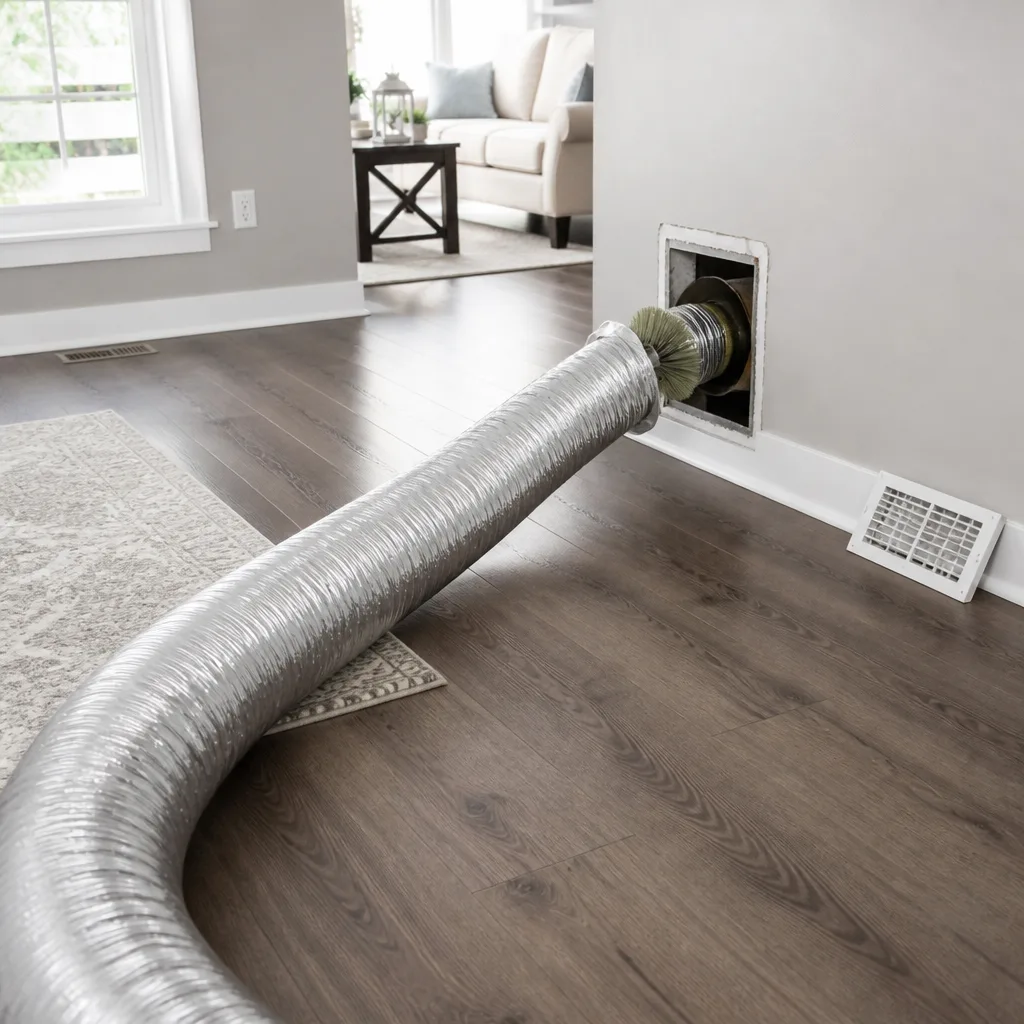 Whole-home duct cleaning
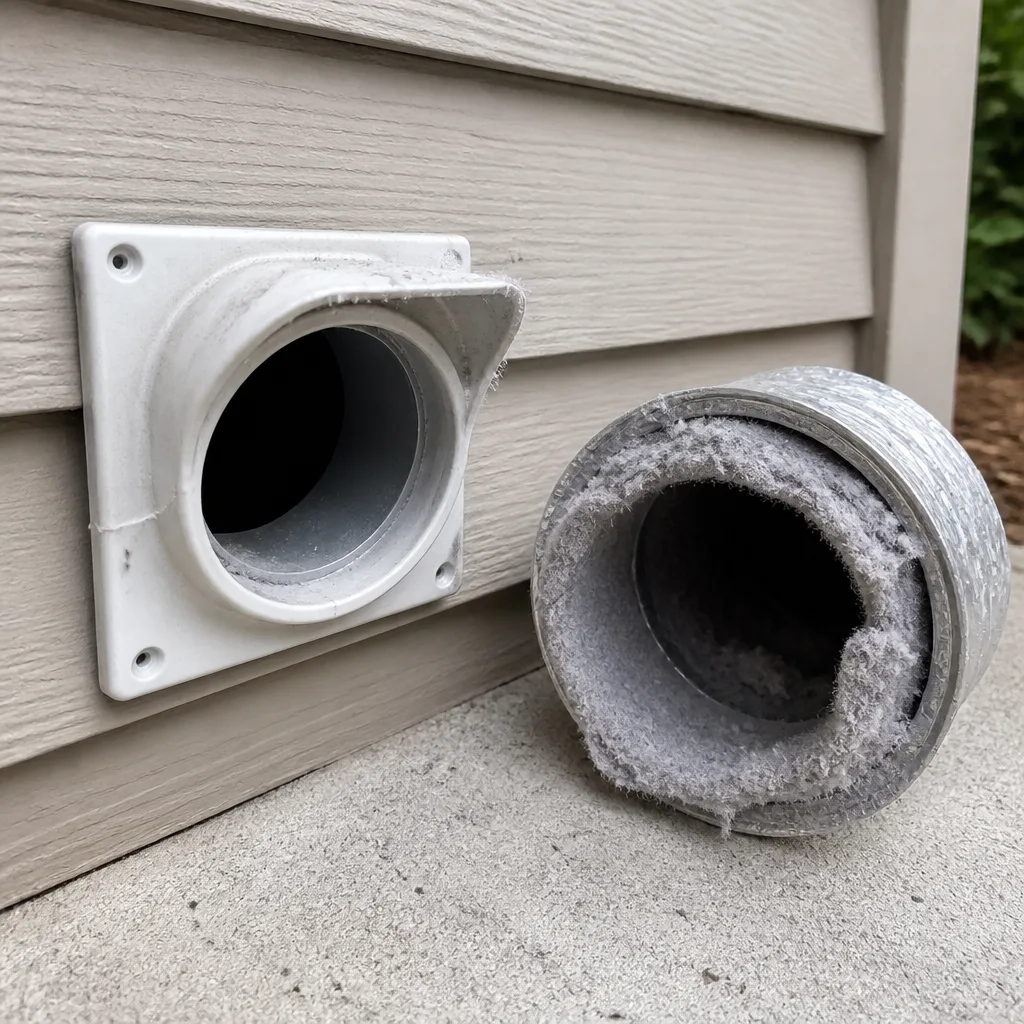 Dryer vent cleaning
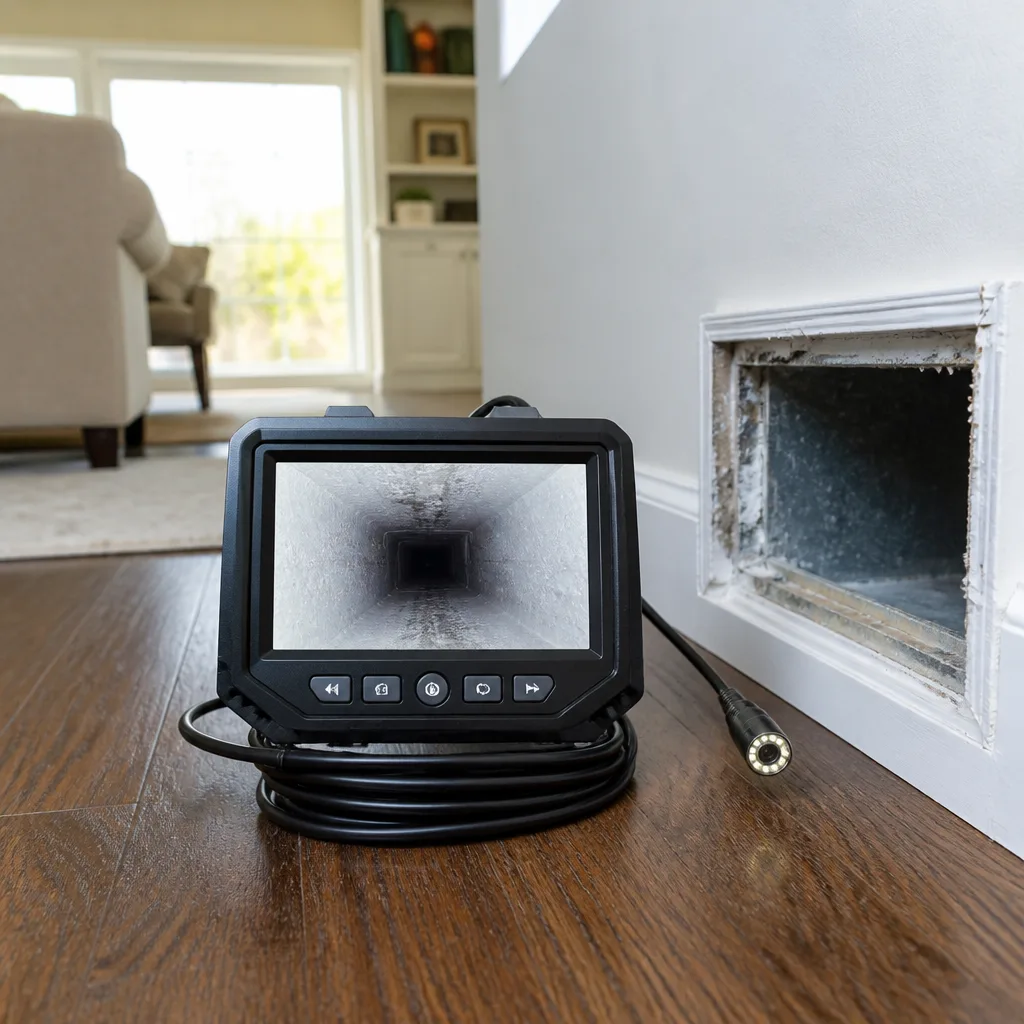 Camera inspection
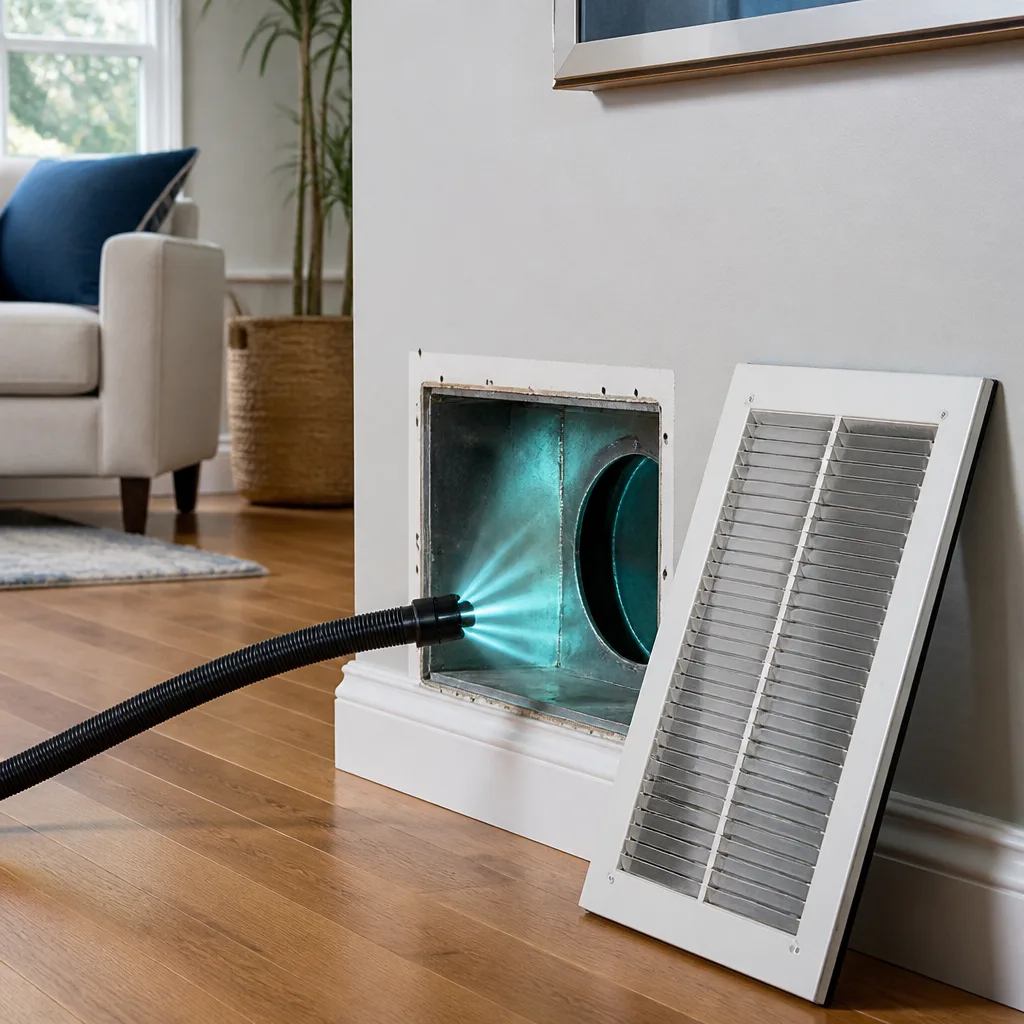 Sanitizing & deodorizing
Whole-system duct and dryer vent check with before-and-after photos - you see exactly what came out of your vents
That "$99 whole-house special" is a bait ad - the real number appears once they are in your hallway, or the "clean" is a shop-vac at the register. We photograph the inside of your ducts before and after instead.
Seasonal Air Duct Cleaning Care for Hawthorne: Year-Round Homeowner’s Guide
Most seasonal duct cleaning guides tell you to schedule work in spring and fall. That advice was written for climates with actual temperature swings, where a furnace runs hard all winter and an air conditioner strains through July. Hawthorne doesn’t work that way. Our air quality calendar runs on ocean wind patterns, the marine layer, and the rhythm of flights out of LAX. If you’re cleaning your ducts on a generic equinox schedule, you’re chasing a calendar that doesn’t match what’s actually happening inside your walls. This guide maps duct maintenance to the four conditions that actually shape Hawthorne’s indoor air: June Gloom humidity, summer traffic peaks, fall Santa Ana events, and winter heating startup. By the end, you’ll know what to check each month and when a professional air duct cleaning makes sense.
Styles & brands we work with
- Whole-home duct cleaning
- Dryer vent cleaning
- Camera inspection
- Sanitizing & deodorizing
Quick Answer
Seasonal air duct care in Hawthorne should follow the local air-quality calendar, not a generic spring-and-fall schedule. The four critical windows are May through July for marine-layer humidity, August through September for elevated airport and traffic particulate, October through November for Santa Ana wind preparation, and December through February for heating season startup. In practice, most Hawthorne homes benefit from a professional duct inspection in late summer and a thorough cleaning before heating season begins.
Table of Contents
- May – July: Marine Layer Humidity and Interior Duct Moisture
- August – September: LAX Traffic Peaks and Ultrafine Particulate
- October – November: Santa Ana Wind Preparation
- December – February: Heating Season Startup and Settled Debris
- Building a Hawthorne-Specific 12-Month Duct Care Log
- What Professional-Grade Equipment Actually Does
- Signs Your Ducts Need Attention Now
- Common Mistakes to Avoid
- When to Call a Professional
- Frequently Asked Questions
- The Bottom Line
May – July: Marine Layer Humidity and Interior Duct Moisture
Here’s what happens in Hawthorne every late spring. The June Gloom settles in, the marine layer sits over the South Bay for weeks, and outdoor humidity climbs into the 70s and 80s while temperatures stay mild. Your air conditioner isn’t running hard yet, which means it isn’t pulling moisture out of your indoor air the way it does in August. That combination, elevated humidity with low system runtime, is exactly what allows dust inside ductwork to absorb moisture and turn sticky.
Dust isn’t the problem most people think it is. Dry, loose dust sits harmlessly in a duct until airflow carries it somewhere. But damp dust behaves differently. It clings to duct walls. It packs into corners and joints. And in homes with flex duct systems, which are common throughout Hawthorne’s housing stock, moisture intrusion at connection points creates the kind of dark, humid microclimate where mold can begin to grow. You won’t always see it, but you’ll often smell it: a musty, earthy note that comes through the registers when the system cycles on.
What we’ve seen in homes across Hawthorne is that the May-to-July window is the single best time to inspect ductwork for moisture-related problems. If registers show dark streaking around the edges, that’s not ordinary dust. That’s moisture bonding dust to metal. If certain rooms smell different than others, pay attention. The flex duct runs feeding those rooms may have degraded or separated at a connection, allowing unconditioned, damp air to enter the duct interior.
Practical steps for this season:
- Run your system fan for 15 minutes each morning, even if you’re not heating or cooling. This pushes air through the ducts and reduces the stagnant conditions that let moisture settle.
- Check your air filter mid-June. If it looks wavy or damp, that’s a sign of excess moisture in the return air stream.
- Keep interior doors open during humidity peaks. Closed rooms create pressure imbalances that pull damp outside air into duct runs through small gaps.
- If you smell mustiness only when the system first starts, note which rooms it comes from. That information helps a technician locate the problem during an inspection.
Our approach to this season is straightforward. We use extraction systems from Rotobrush and Nikro, the same equipment restoration and remediation crews rely on, to remove damp, impacted debris rather than just loosening it. For contamination-sensitive scenarios where mold is suspected, Abatement Technologies equipment is standard on our trucks. The point is that Hawkins weather patterns create specific conditions, and the right response isn’t a generic cleaning, it’s a cleaning with equipment matched to what the duct actually contains.
August – September: LAX Traffic Peaks and Ultrafine Particulate
Late summer in Hawthorne means one thing for your air: more particulate. Flights out of LAX increase through August as summer travel peaks. Ground traffic along the 105, the 405, and surface streets like Rosecrans and Hawthorne Boulevard rises with it. What most homeowners don’t realize is that this isn’t just an outdoor problem. The ultrafine particles generated by jet fuel combustion and vehicle exhaust are small enough to enter your home through windows, doors, and even small gaps in the building envelope.
Once those particles are inside, your HVAC system becomes the only thing standing between them and your living space. A clean filter catches a meaningful share. A loaded filter doesn’t. And here’s the subtlety: the particles that get past a saturated filter don’t just blow through once. They settle into your ductwork and recirculate for months. That’s why August and September are the months when Hawthorne homeowners often notice more dust on furniture and more sneezing indoors, even with windows closed.
Filter management during this window matters more than any other time of year:
- Upgrade to a MERV 11 or MERV 13 filter during August and September. These capture finer particulate than standard MERV 8 filters without restricting airflow like hospital-grade filters can.
- Check the filter weekly during August. In peak traffic and travel months, filters load faster than the standard 90-day replacement guidance suggests.
- If your filter looks dark gray or black after three weeks, that’s not a reason to panic. It’s confirmation that your system is doing its job. Replace it and keep going.
- Consider a whole-home air purifier from Honeywell or Aprilaire. These integrate with your HVAC system and provide continuous filtration that a standard filter alone can’t match.
We stock and install Honeywell and Aprilaire components for a reason. The homes we work in are close to one of the busiest airports in the world and some of the most heavily traveled freeways in California. Enhanced filtration isn’t a luxury here. It’s a practical response to measured, predictable air quality conditions. And when you pair better filtration with cleaner ducts, the system works the way it was designed to. A high-efficiency filter pulling air through debris-laden ductwork is like putting new glass in a dirty window frame.
October – November: Santa Ana Wind Preparation
Santa Ana winds are among the most predictable air-quality events in Southern California. Every fall, high pressure over the Great Basin pushes dry air down through the passes and toward the coast. For Hawthorne, that means gusty winds from the northeast, single-digit humidity, and, in bad years, smoke from wildfires burning in the hills. Hail is uncommon here, but the particulate load from wind-driven dust and ash is very real.
The mistake homeowners make is treating Santa Ana season as an outdoor event. They close the windows and consider the problem solved. But wind-driven particulate doesn’t need an open window. It finds its way through attic vents, crawl space openings, and any gap in the building envelope. Once it’s in the attic or crawl space, it gets pulled into the return side of your HVAC system and distributed through the ducts.
Smart preparation for Santa Ana season looks like this:
- Have your ducts inspected for air leaks before October. Gaps in duct runs create negative pressure that pulls dusty attic or crawl space air into the system during windy conditions.
- Replace your air filter in late September. You want clean media in place before the first event, not a filter that’s already partially loaded from August.
- Check exterior vents and weatherstripping. Gaps around doors and windows aren’t a duct issue, but they increase the particulate load your HVAC system has to manage.
- After a significant wind or smoke event, run your system fan for a few hours to move air through the filter, then check the filter. If it looks loaded, replace it.
- Keep an eye on the Air Quality Index. When AQI readings climb above 100, that’s your signal to limit outdoor air infiltration and let your filtration system do its job.
One point that gets overlooked: Santa Ana events are also the driest period of the year. Dust that has been sitting in ducts from the summer becomes lighter and more easily dislodged. If your ducts haven’t been cleaned in years, a windy October is when that accumulated debris starts moving into your living space. A professional air duct cleaning in late September or early October removes the reservoir of dust before the winds arrive, which means there’s less material available to be pushed through your registers.
December – February: Heating Season Startup and Settled Debris
Every winter, the same thing happens in homes across Hawthorne. The furnace sits dormant from roughly March through November. During those months, dust settles in the heat exchanger, on the blower motor, and throughout the duct runs. Then December arrives, the first cool night hits, and the heating system fires up for the first time in months.
That first heating cycle is the highest-risk moment of the year for your indoor air quality. Here’s why: dust that settles during dormancy isn’t just redistributed when airflow starts. It gets baked. The heat exchanger reaches several hundred degrees, and the first layer of dust that contacts it doesn’t just blow into the room. It burns off. What you smell in that first hour of heating is a cocktail of charred dust, accumulated debris from the furnace interior, and whatever has collected in the ducts over nine months of relative stillness.
For households with allergy concerns, respiratory conditions, or anyone sensitive to indoor air quality, that first heating cycle is the single biggest reason to schedule a pre-season cleaning. The difference between a home that had professional duct cleaning in November and one that didn’t is noticeable the first time the thermostat clicks over to heat.
What to do before heating season:
- Schedule a professional duct inspection and cleaning in November, before the first cold snap. This removes settled dust before it becomes aerosolized.
- Have your furnace blower and heat exchanger inspected during the same visit. A duct cleaning that doesn’t address the furnace interior leaves the primary source of the “first heat” smell untouched.
- Replace your air filter when you switch from cooling to heating mode. The filter that served you through August and September traffic season is not the one you want starting December.
- After the first full day of heating, walk through the house and sniff at registers. A brief dusty smell is normal. A persistent acrid or musty odor is not, and warrants a call.
We clean the full system, ducts, vents, and the connections between them. The equipment we use is the same trusted by restoration and remediation professionals. That matters because a heating season startup isn’t just about dust. It’s about anything that settled in the system during months of dormancy, including the fine particulate from summer traffic and fall wind events. Getting it all out before the heat comes on is the single highest-impact maintenance decision a Hawthorne homeowner can make for winter indoor air quality.
Building a Hawthorne-Specific 12-Month Duct Care Log
A duct care log doesn’t need to be complicated. What it needs to do is capture the information that actually drives decisions in Hawthorne’s specific air quality environment. The value of a log is that it turns vague recollections (“we think the filter was replaced sometime last spring”) into a usable record. Here’s a simple framework that works for our climate.
Start with a basic entry for each month. Record the date, what you observed, and any action taken. Keep it in a notes app, a spreadsheet, or a notebook near the thermostat. The format matters less than the consistency.
Track these data points each month:
- Filter status: When was it changed? What did it look like when removed? A photograph taken with your phone takes five seconds and gives you a visual record.
- Air quality events: Note any days when the AQI exceeded 100, any Santa Ana wind events, and any nearby fires with smoke. These correlate with elevated particulate loading.
- System runtime observations: Any changes in how often the system cycles, any new sounds, any rooms that feel different than others.
- Smell and symptom notes: Any musty odors, any burning-dust smell at startup, any increase in allergy symptoms among household members.
- Service intervals: Record every professional service visit, what was done, and when the next one is due.
The real value comes from year-over-year comparison. A log entry that says “September filter was dark gray again” tells you something useful: late-summer particulate is a consistent issue for your home, which argues for upgrading to a higher MERV rating during that window. A note that says “no musty smell May through July this year, first time in three years” tells you the moisture mitigation is working.
Here’s a seasonal template based on local conditions:
- January – February: Heating season. Monitor for dust odor at startup. Check filter monthly during furnace use.
- March – April: Transition. Lighter system use. Good window for evaluating whether winter heating left any signs of burned dust in registers.
- May – July: Marine layer humidity. Watch for musty odors and register streaking. Run fan periodically even when system isn’t heating or cooling.
- August – September: Traffic and travel peak. Upgrade filter if possible. Check filter every three weeks. Note any increase in indoor dust accumulation.
- October – November: Santa Ana prep. Inspect for air leaks. Replace filter before wind season. Schedule professional cleaning before heating startup.
- December: Heating startup. First heat cycle smell check. Replace filter when switching to heat. Record any observations from the first week of furnace use.
This log is also invaluable when you call for service. A homeowner who can tell us “the musty smell started in June and got worse through July, primarily in the bedroom wing” gives us a diagnostic head start that saves time and money compared to a vague “it smells funny.”
What Professional-Grade Equipment Actually Does
There’s a reason the equipment matters. Consumer-grade shop vacuums move air. Professional extraction systems do something fundamentally different: they create negative pressure throughout the duct system while agitating the debris that’s adhered to duct walls. The combination of mechanical agitation and high-volume extraction is what removes material. That’s the technical core of Duct Cleaning Hawthorne‘s approach.
The systems we run come from Rotobrush and Nikro. These are brands that restoration contractors and remediation professionals use, not names you’ll find on a shelf at a home improvement store. They generate the airflow and mechanical action needed to pull impacted debris, not just loose dust, out of duct runs. For contamination-sensitive jobs where mold or heavy allergen loading is a concern, Abatement Technologies equipment is on the truck. That capability matters because not every duct cleaning is routine, and the tools need to match the job.
Beyond extraction, we stock and install air-quality components from Honeywell and Aprilaire. That bridges a gap most contractors ignore: cleaning removes what’s already there, but filtration determines what comes back. A home with clean ducts and a standard fiberglass filter has solved half the problem. A home with clean ducts and a properly rated media filter or whole-home purifier has solved the whole thing. The Guardsman-brand products in our lineup add post-clean surface treatment options. After debris is removed, treating duct interiors with an antimicrobial agent provides an additional layer of protection against mold and bacteria regrowth.
And the full-system scope matters just as much. We do dryer vent cleaning as a core service because a clogged dryer vent is a documented residential fire risk, not a side job. We do air duct repair because cleaning a broken duct creates a temporary result. The point is that a duct system is one connected thing, and treating it as anything less leaves gaps.
Signs Your Ducts Need Attention Now
Some signs are obvious. Others are subtle enough that homeowners dismiss them for months. Here’s what to watch for in Hawthorne, where our specific climate conditions tend to make certain symptoms more common.
Visible signs:
- Dust accumulation on surfaces within days of cleaning, even with windows closed. This means the ducts are acting as a reservoir and redistributing particulate through the system.
- Dark streaks or staining around register openings. In our climate, this most often appears during the May-to-July humidity window and indicates moisture bonding dust to metal.
- Visible dust or debris blowing from registers when the system starts. This is most noticeable in December during the first heating cycle, but it can happen any time airflow increases.
- Mold growth visible inside duct openings or on register covers. This is not a cleaning-only issue. It needs assessment and likely remediation-grade treatment.
Sensory signs:
- A musty or earthy smell that appears when the system runs, particularly in specific rooms. This is the most common sign of moisture-related problems in flex duct.
- A burning-dust smell during the first heating cycle of the year. A brief odor is common; a persistent one is not.
- Rooms that consistently smell different from the rest of the house. Differential odor patterns point to localized duct problems, not system-wide issues.
- Increased dust or allergy symptoms during August and September, when local particulate loads are highest.
Operational signs:
- Airflow that’s noticeably weaker from some registers than others. This can indicate a duct blockage, a disconnected run, or a collapsed section.
- A system that runs longer to reach the same temperature. Restricted airflow from loaded ducts reduces efficiency.
- Higher energy bills without a change in usage patterns. Same underlying cause: a system working harder to push air through constricted passages.
- The furnace cycling on and off more frequently than it used to. This can indicate the system is overheating due to restricted airflow.
If you’re seeing any combination of these signs, the next step is an inspection. Not every issue requires a full cleaning, but every issue requires an assessment. The estimate is free, and knowing what’s actually happening inside your ducts is worth more than guessing.
Common Mistakes to Avoid
- Cleaning on a generic spring/fall schedule. Hawthorne’s air quality conditions peak in August for particulate and December for heating startup. Cleaning in April and October misses both windows.
- Assuming closed windows solve air quality problems. Wind-driven particulate and ultrafine traffic emissions enter through gaps in the building envelope. Your HVAC system is the primary defense, and it only works if ducts and filters are maintained.
- Ignoring the May-to-July musty smell. Marine layer humidity creates conditions for mold growth in flex duct. A smell that appears every June and disappears in August is a problem being masked by changing conditions, not a problem solving itself.
- Replacing the filter only when it looks dirty. Ultrafine particulate from LAX traffic and freeway emissions doesn’t always create a visibly dark filter, but it loads the media and reduces filtration efficiency. A schedule beats visual inspection here.
- Skipping pre-heating-season cleaning. Nine months of settled dust gets aerosolized the first time the furnace fires in December. The “first heat smell” is that dust burning off. A November cleaning removes the source.
- Treating duct cleaning and dryer vent cleaning as separate concerns. Both are part of the same connected air system in your home. A fire hazard in the dryer vent is as much an air quality issue as a dust-loaded air duct.
- Assuming the cheap estimate represents the same service. Duct cleaning is an equipment-dependent task. Consumer-grade vacuums can’t generate the negative pressure needed to extract impacted debris. If the price is dramatically lower, ask what equipment is being used.
When to Call a Professional
Some duct maintenance is DIY-appropriate. Filter changes, register cleaning, and running the system fan to manage humidity are all things homeowners can handle. But the actual cleaning of duct interiors is not a DIY job. The equipment required is professional-grade extraction machinery, not a household vacuum. And the diagnostic work, identifying where moisture intrusion is happening, where ducts have separated, where airflow is restricted, is specialized.
Call a professional when: you smell persistent mustiness during the humidity months; you see mold growth anywhere in the duct system; you notice a burning-dust odor that persists beyond the first few hours of heating season; your ducts haven’t been inspected in years and you’re seeing the signs described above; or you’re preparing for a specific event, like a Santa Ana season or a baby coming home to a house with old ducts. Duct Cleaning Hawthorne offers free estimates in Hawthorne, call (855) 473-3133.
Frequently Asked Questions
Most Hawthorne homes benefit from professional duct cleaning every 3 to 5 years, but several local factors can shorten that interval: proximity to freeways or LAX flight paths, pets, recent remodeling, or any history of mold or moisture issues. Homes near major traffic corridors or with allergy-sensitive occupants sometimes need attention every 2 to 3 years. A post-cleaning inspection report will help establish the right interval for your specific situation.
The most common cause of summer mustiness in Hawthorne ducts is marine-layer humidity interacting with dust and debris inside flex duct runs. When June Gloom keeps outdoor humidity high and your AC isn’t running enough to dehumidify, dust inside ducts absorbs moisture and becomes sticky. If that damp, dusty material sits in a dark, humid duct connection, mold can develop. The fix is removing the debris, not masking the smell. Call (855) 473-3133 for a free estimate.
Living under or near LAX flight paths and major freeways can increase the particulate load your HVAC system processes, particularly during August and September when traffic peaks. Ultrafine particles from jet fuel combustion and vehicle exhaust enter homes through building gaps and settle in ductwork. Homes in these areas often benefit from higher-MERV filters and more frequent duct inspections. It’s not that ducts age faster, it’s that they load faster.
A complete professional duct cleaning covers the full system: supply ducts, return ducts, registers, the blower compartment, the evaporator coil if accessible, and the connections between them. Professional-grade extraction equipment from brands like Rotobrush and Nikro creates negative pressure throughout the system while mechanical agitation removes adhered debris. The scope should be spelled out in a written estimate before work begins, and before-and-after photos should document the result.
No. The equipment required for proper duct cleaning creates negative pressure throughout the entire duct system while agitating and extracting debris. Household vacuums can’t generate that airflow. Even more importantly, ducts contain electrical components, sharp metal edges, and in some cases materials like fiberglass or mold that require proper handling. A professional assessment tells you what’s actually in your ducts and what it will take to remove it safely. Duct Cleaning Hawthorne offers free estimates, call (855) 473-3133.
The single best time for duct cleaning in Hawthorne is November, before heating season begins. That removes nine months of settled dust, summer traffic particulate, and fall wind debris before the furnace fires and aerosolizes it into your living space. A secondary window in May or June can address moisture-related problems from the marine layer before they’re allowed to get worse through the summer. But if you’re only doing it once, do it before December’s first heat cycle.
The Bottom Line
Hawthorne’s air quality calendar doesn’t follow the seasons that seasonal duct guides assume. The factors that actually load your ducts are marine-layer humidity in the spring, airport and freeway particulate in late summer, Santa Ana winds in the fall, and the first heating cycle in early winter. Each puts a different kind of stress on the system, and each suggests a different kind of response. Filter management is the everyday front line. Professional inspection and cleaning, using equipment that matches the job rather than a consumer vacuum, is the periodic reset. And when you track what’s happening month by month, the pattern becomes clear: your ducts are telling you when they need attention. You just need to know the local conditions well enough to hear it.
Call (855) 473-3133 for a free estimate. We answer 24/7. Fast dispatch from 7am to 7pm, Sunday through Friday. Professional-grade equipment, not consumer shortcuts.
Written by the team at Duct Cleaning Hawthorne, serving Hawthorne since 2014.
See the difference
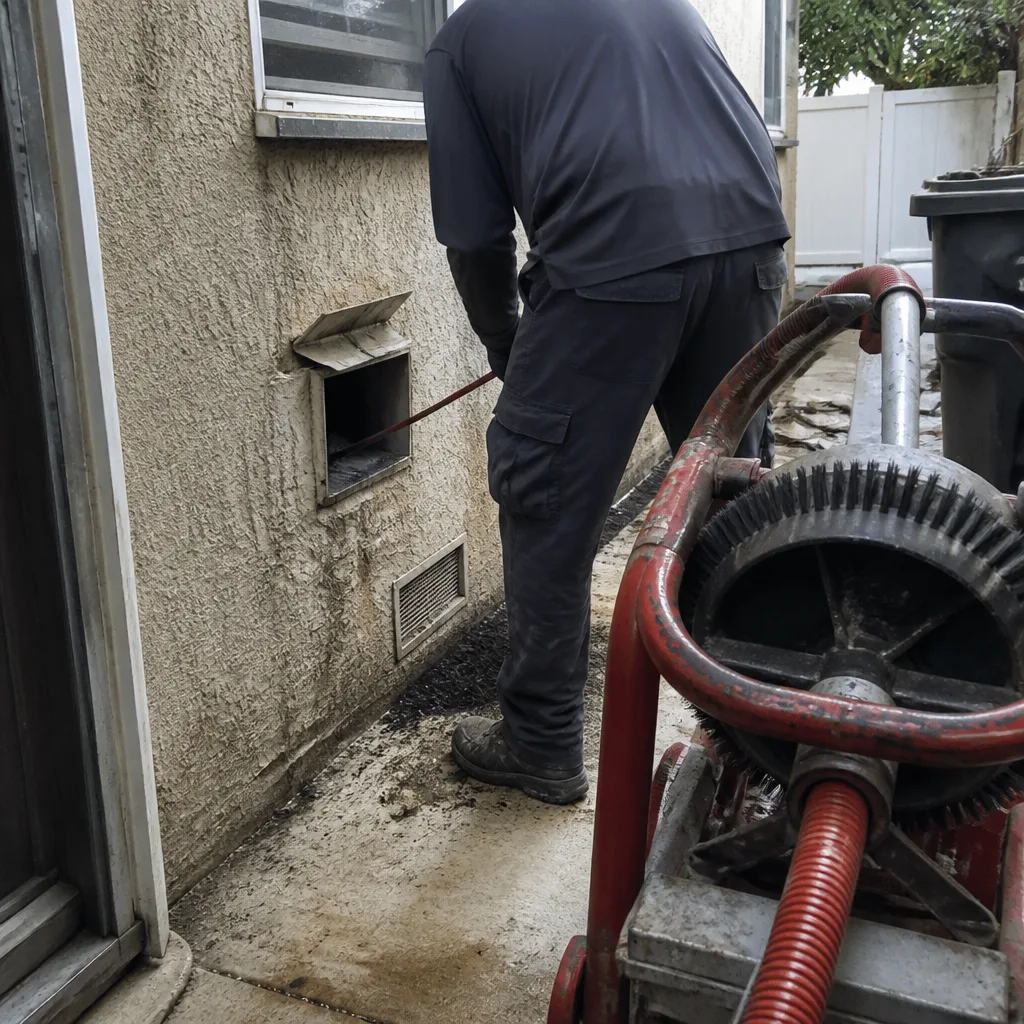 Before
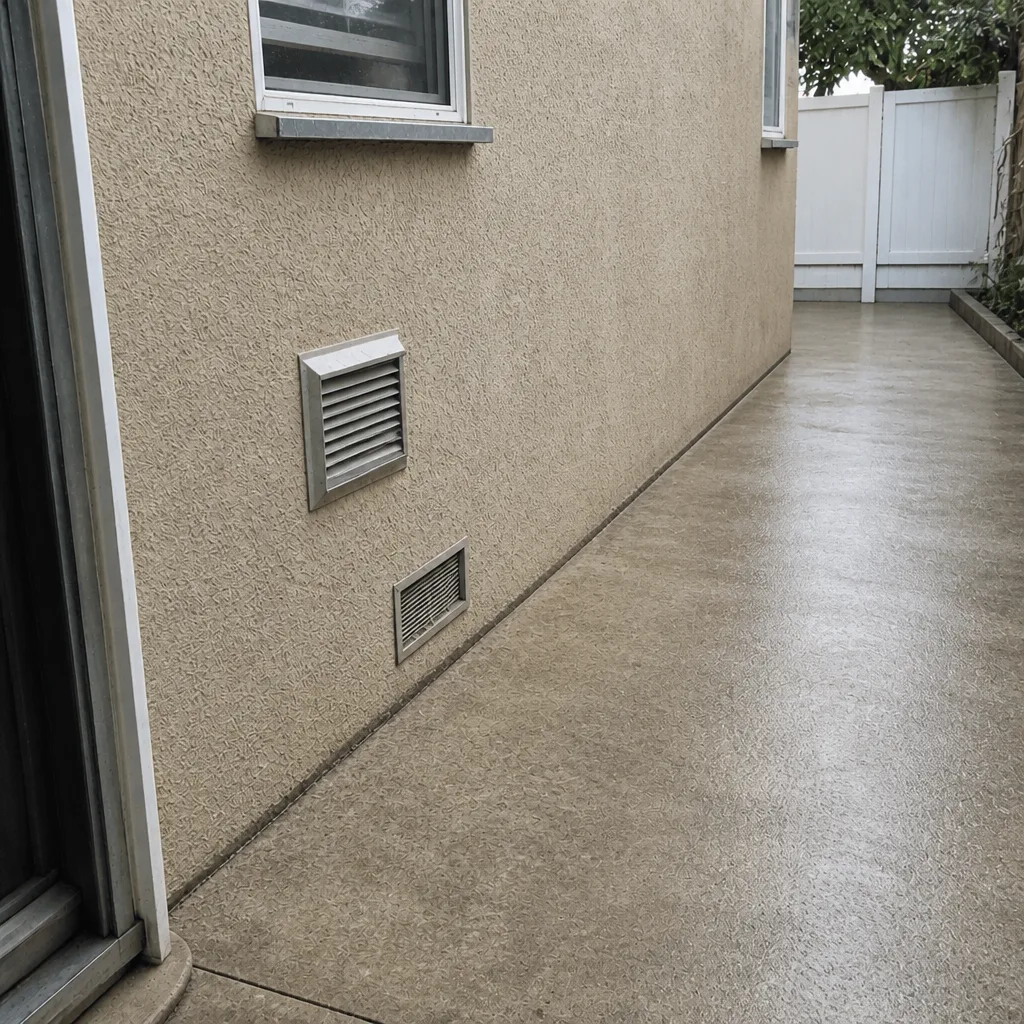 After
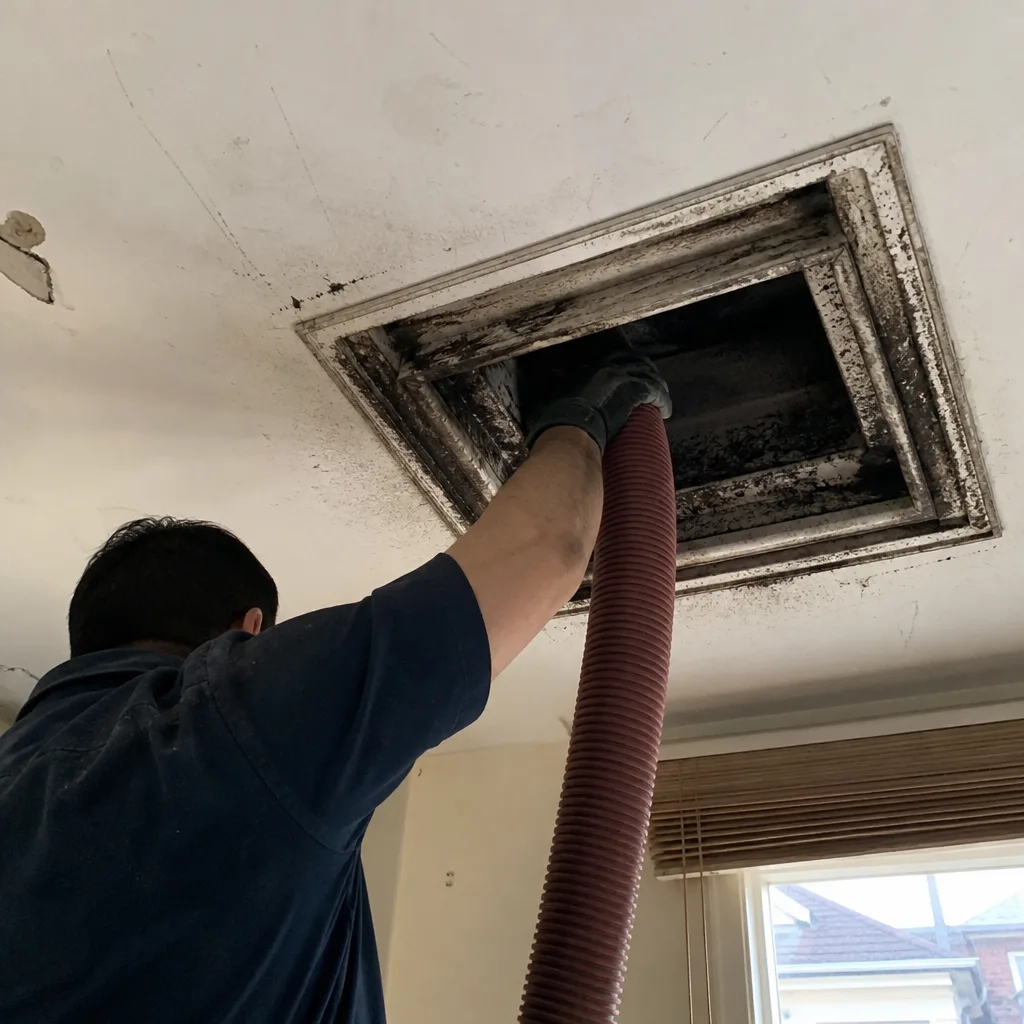 Before
 After
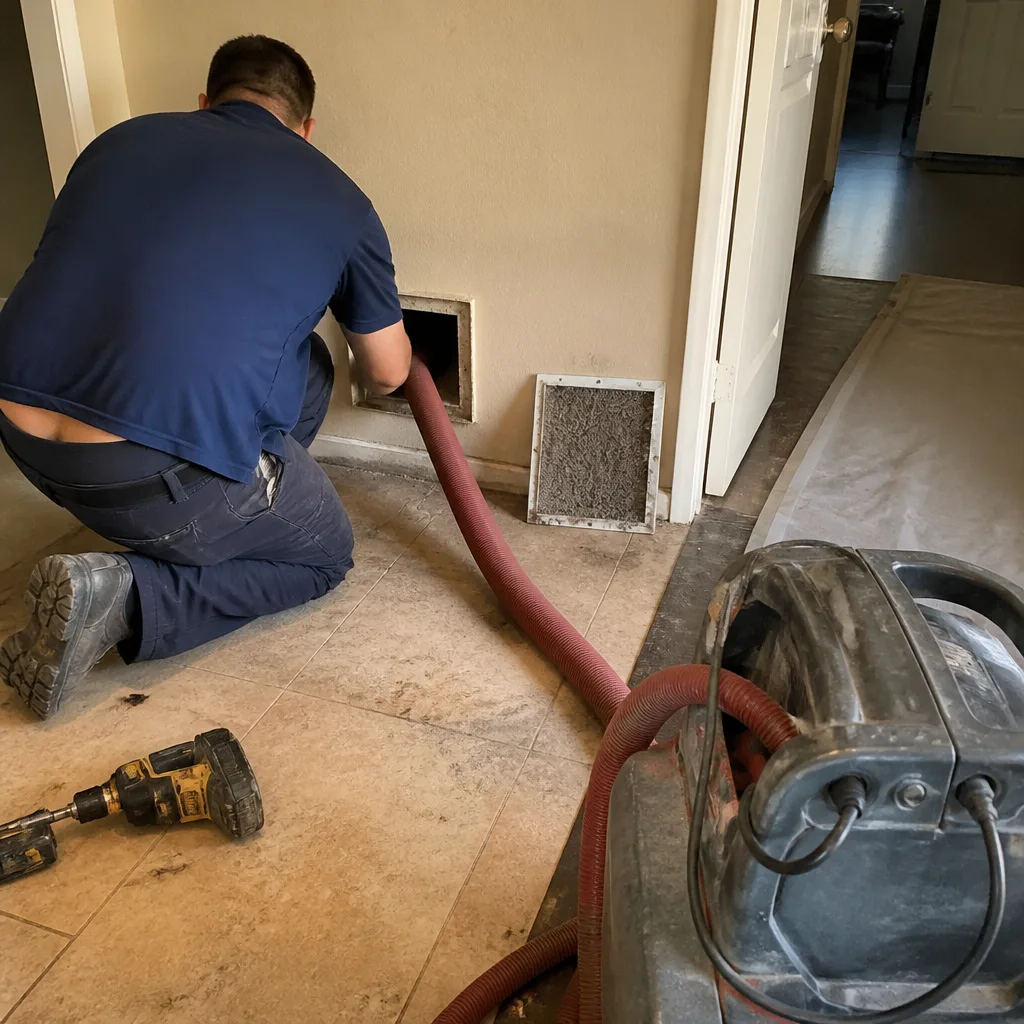 Before
 After