
Last updated November 4, 2026
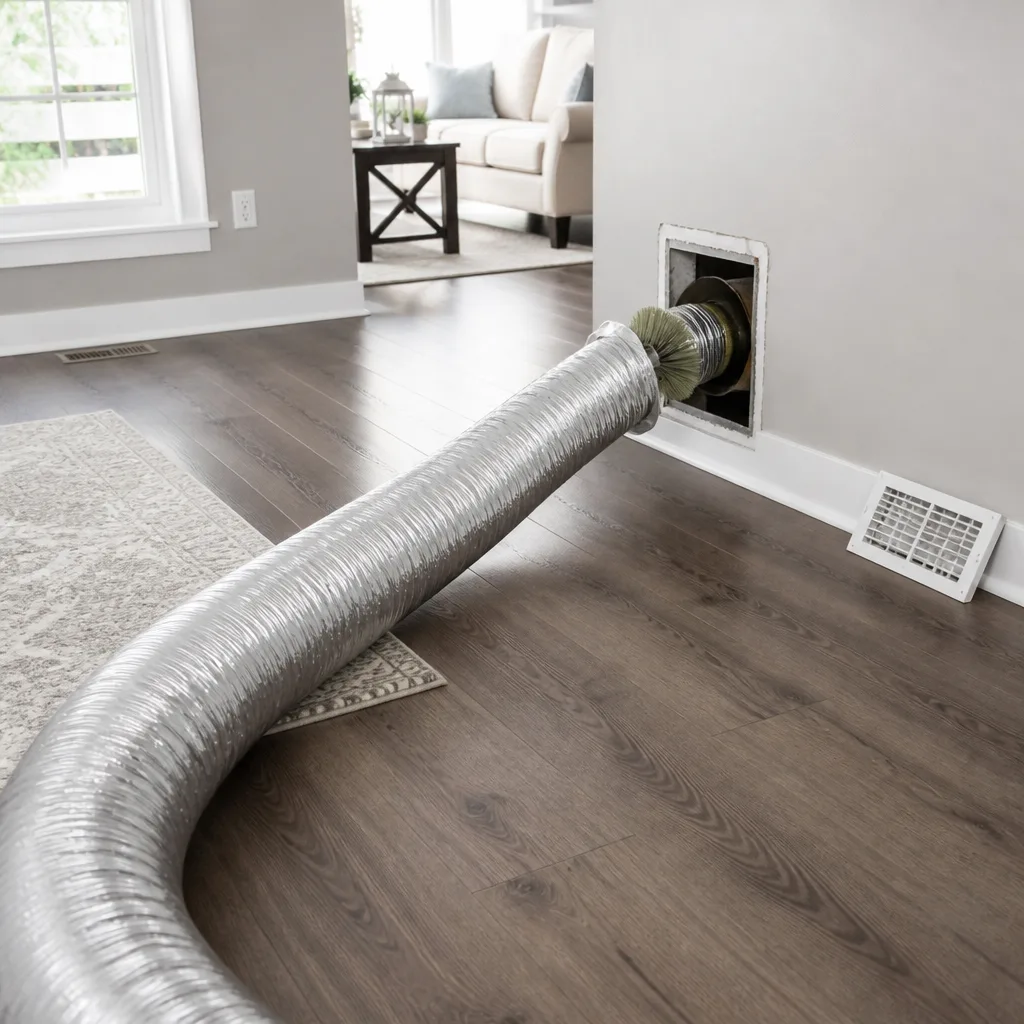 Whole-home duct cleaning
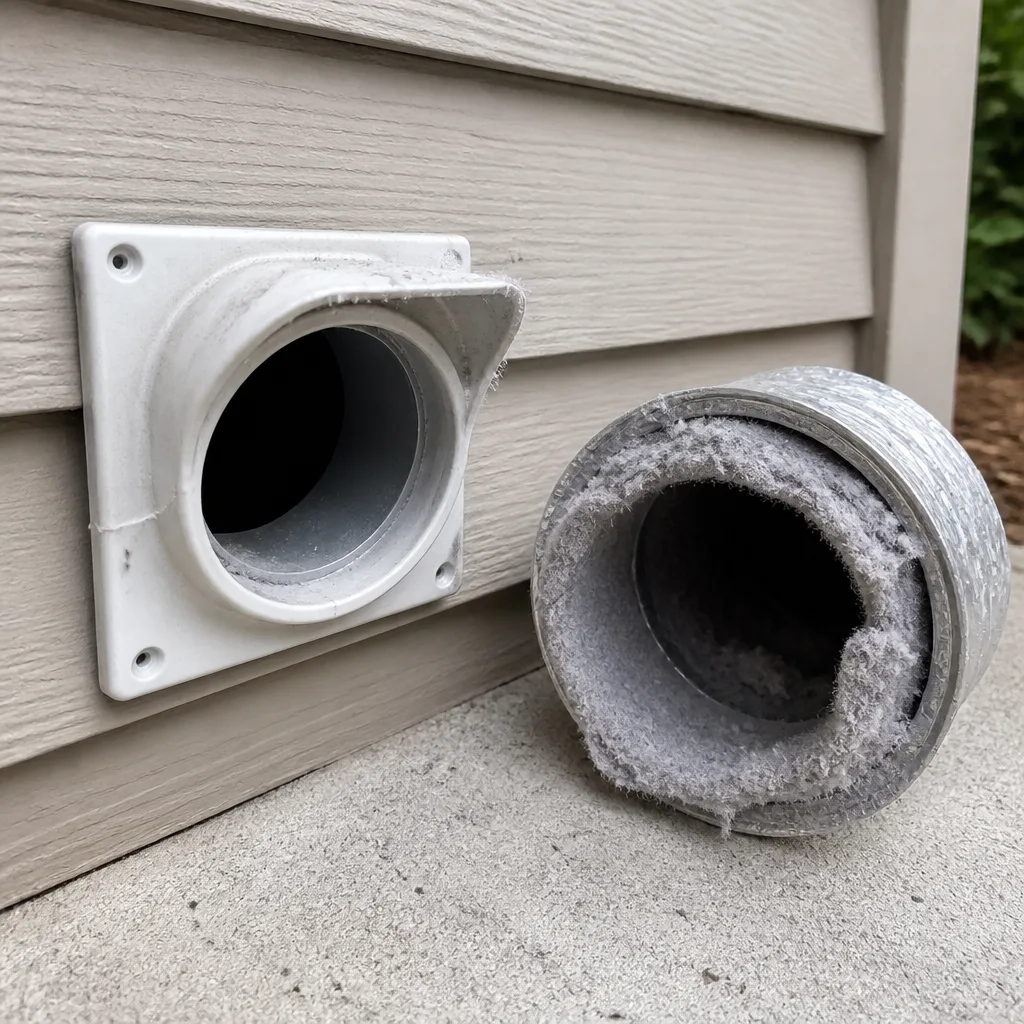 Dryer vent cleaning
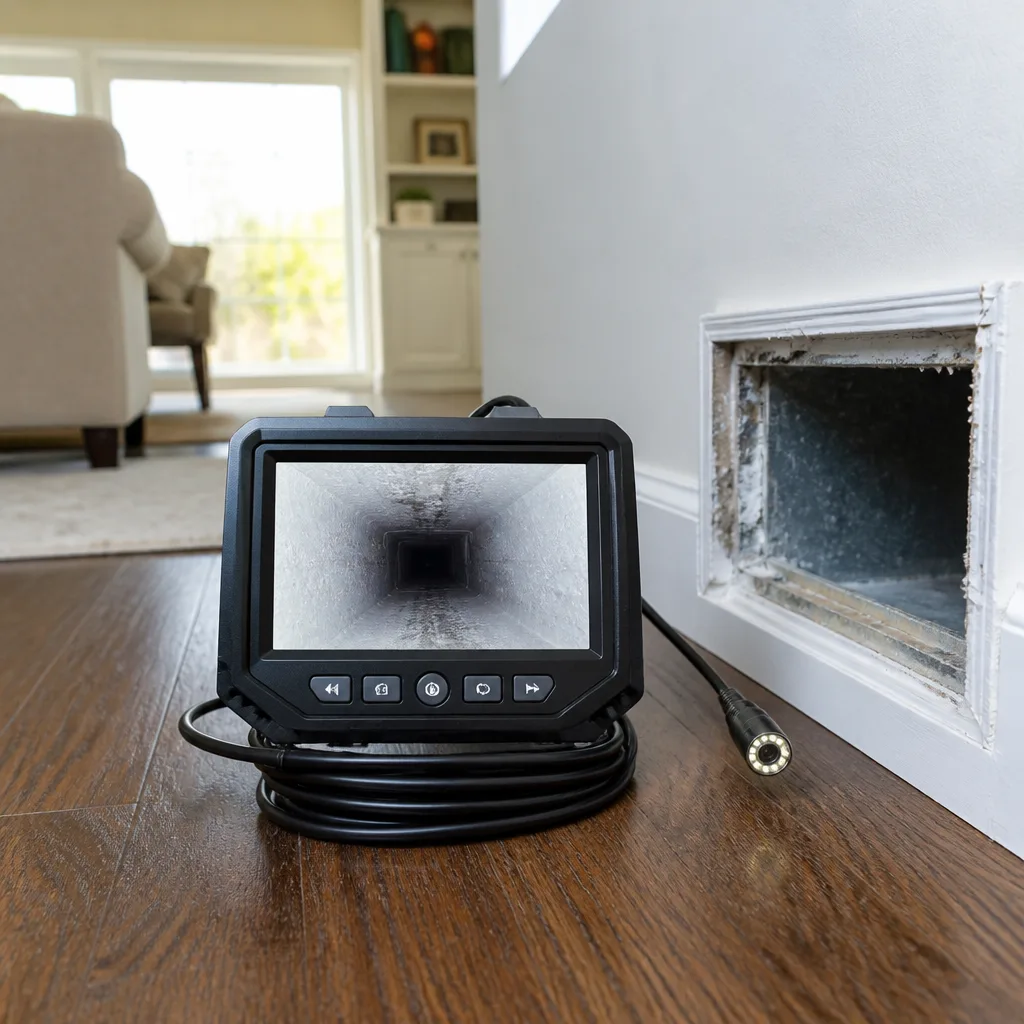 Camera inspection
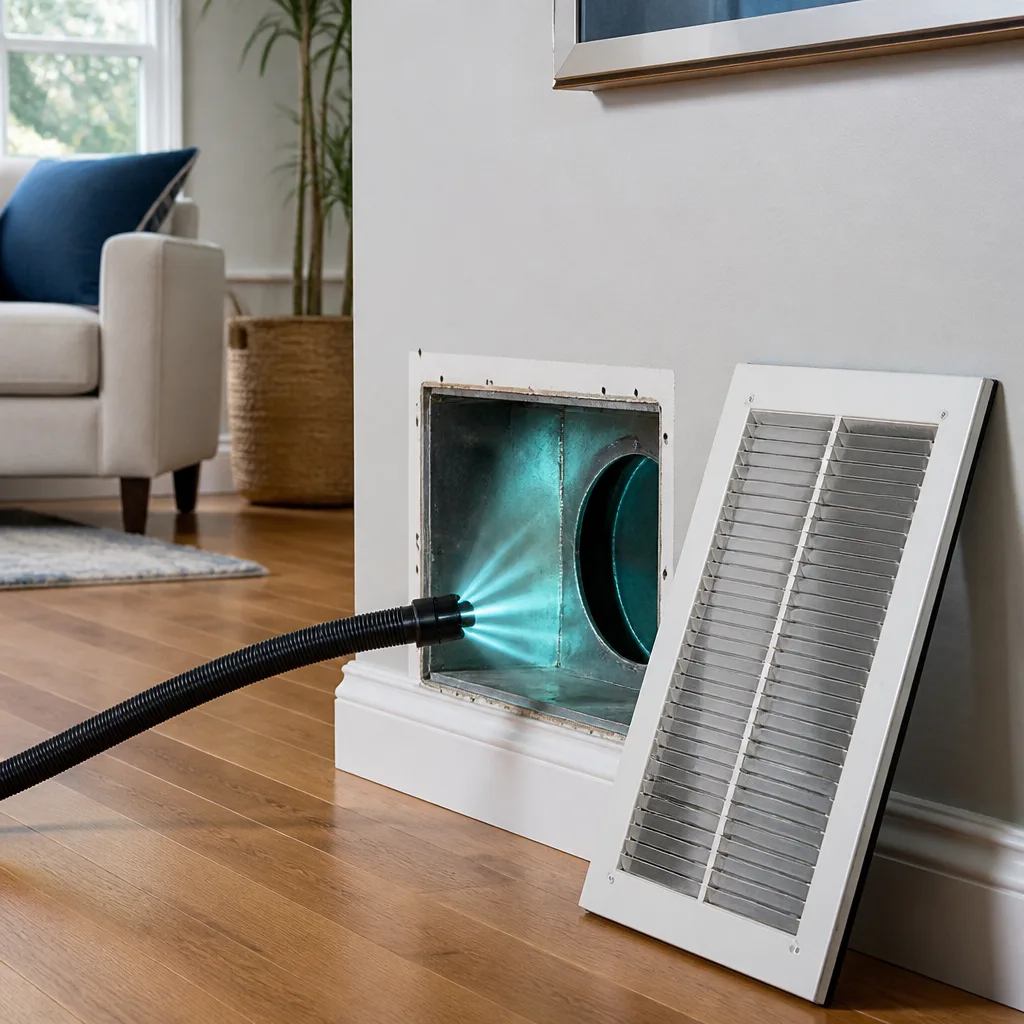 Sanitizing & deodorizing
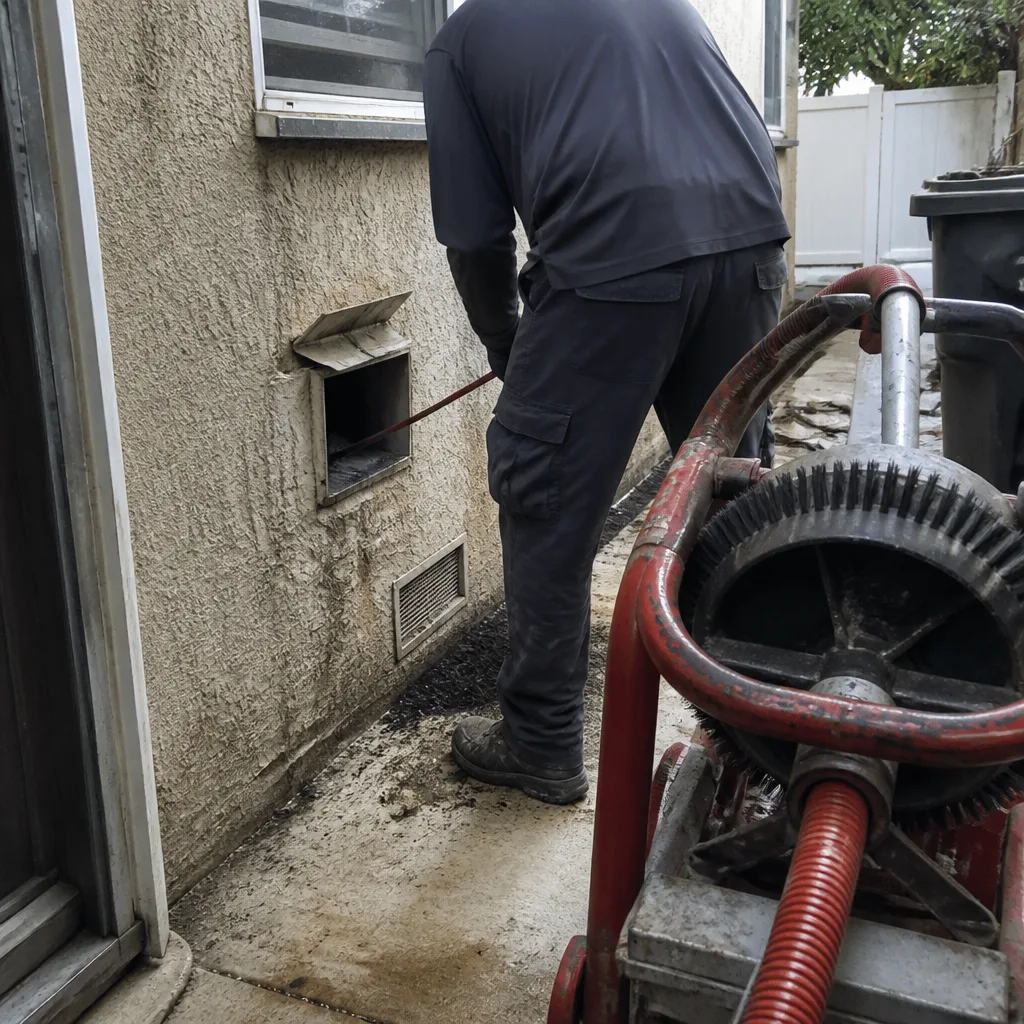
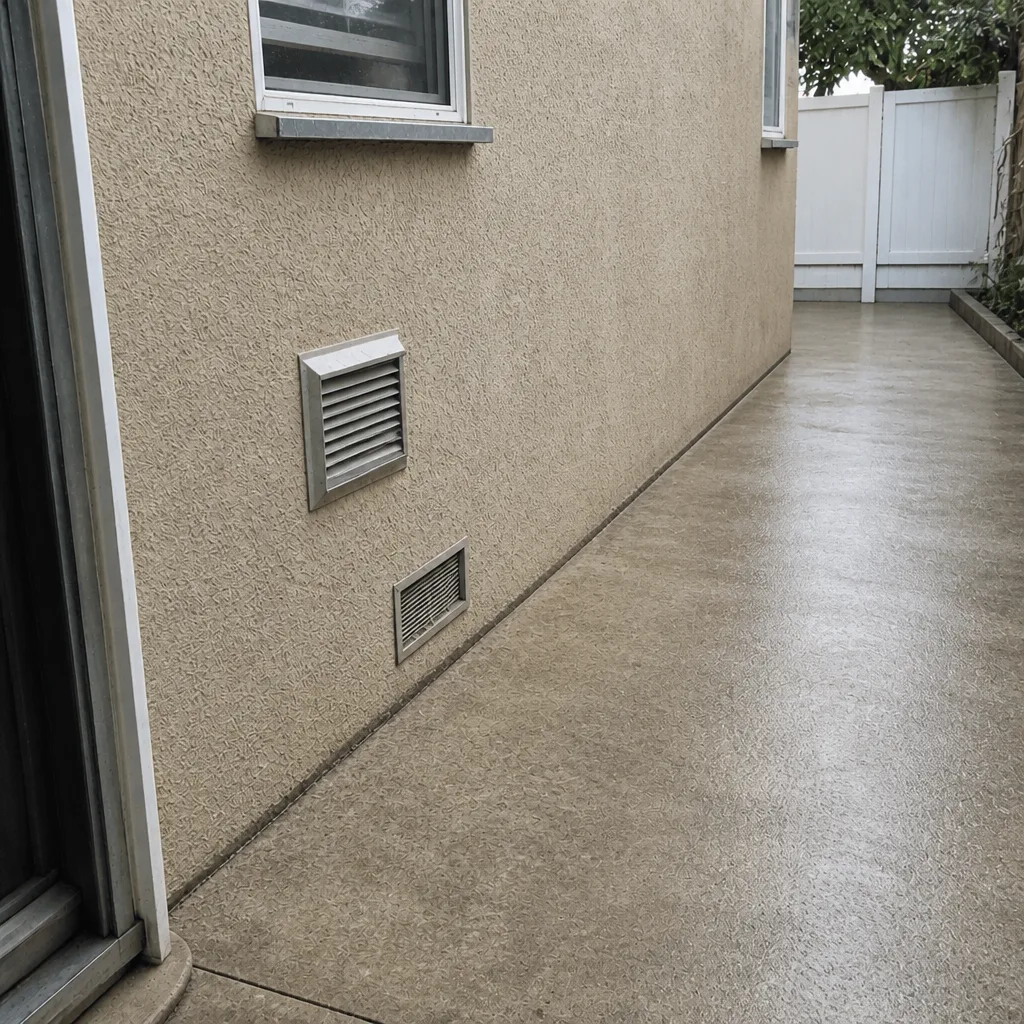
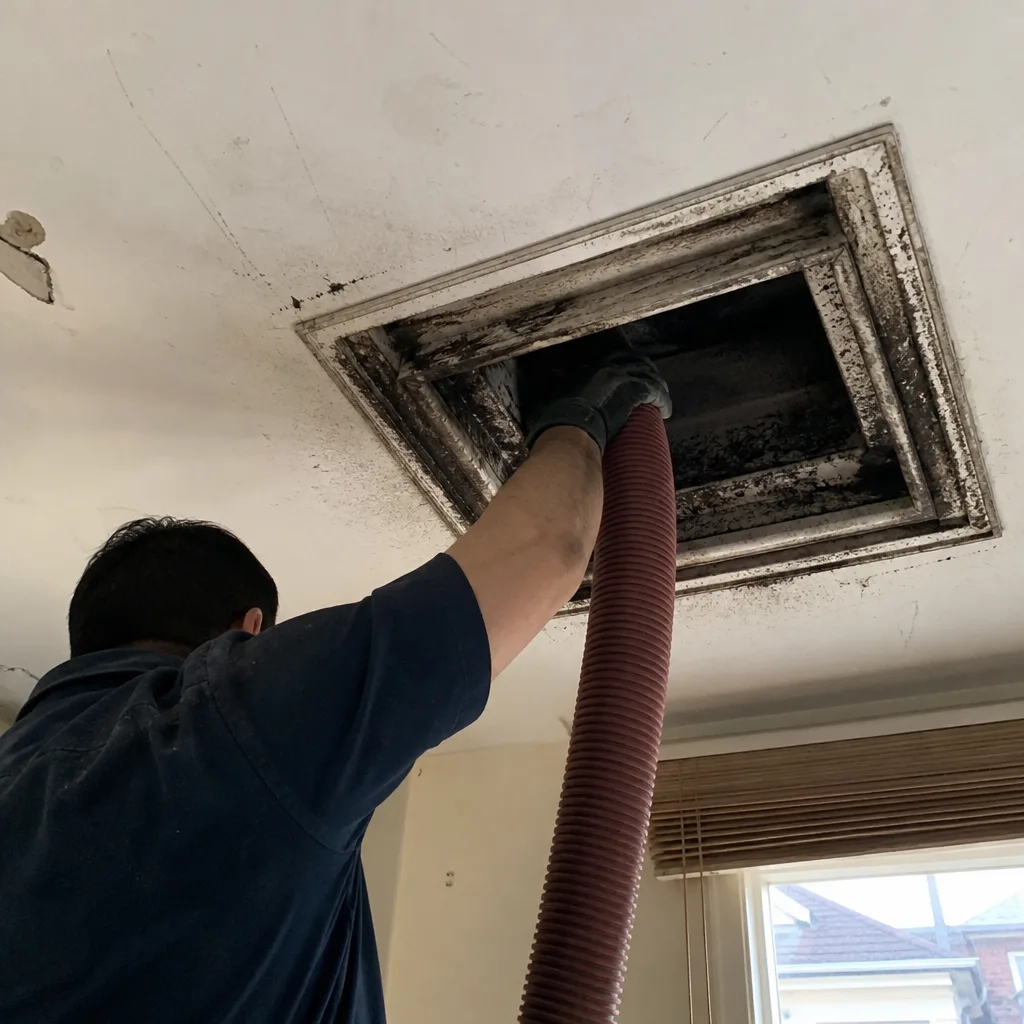
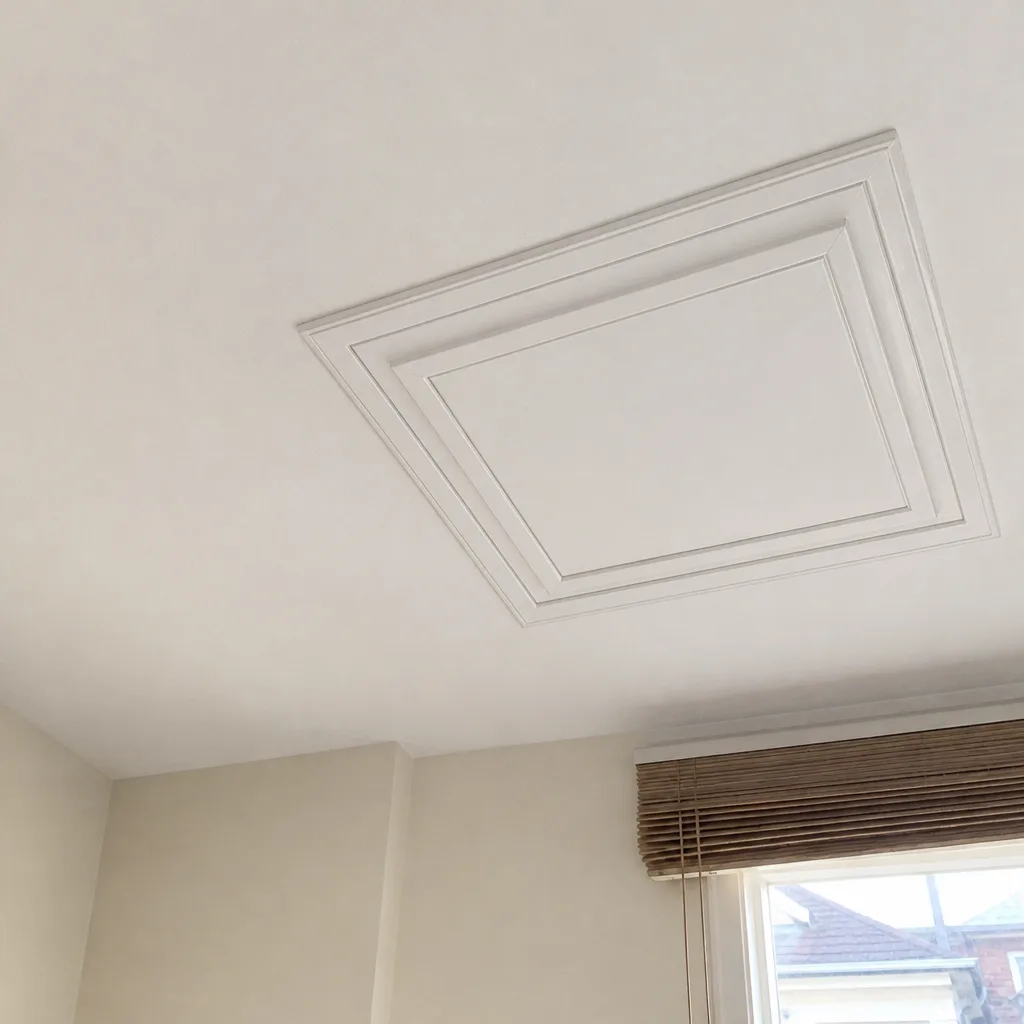
Whole-system duct and dryer vent check with before-and-after photos - you see exactly what came out of your vents
That "$99 whole-house special" is a bait ad - the real number appears once they are in your hallway, or the "clean" is a shop-vac at the register. We photograph the inside of your ducts before and after instead.
Air Duct Cleaning Emergency Preparedness Guide for Hawthorne Homes
Most Hawthorne homeowners assume a closed house is a protected house. When wildfire smoke settles over the South Bay or an industrial incident unfolds near the 405/105 interchange, the instinct is to shut every window and wait it out. The problem is that your duct system doesn’t care whether your windows are closed. Return air gaps, loose register connections, and minor duct leaks pull outside air into the system every time the blower cycles. During the 2020 wildfire season, smoke particulate was recorded inside homes with windows closed because it entered through those very gaps, a vulnerability few people knew they had until they smelled smoke indoors. This guide explains how to prepare your Hawthorne home’s air system before an air quality event, what to do while it’s happening, and how to restore the ducts properly afterward.
Quick Answer
Air duct cleaning after a wildfire smoke event or industrial incident in Hawthorne requires a different approach than routine maintenance cleaning. Smoke particulate is finer and more chemically active than ordinary household dust, which means standard brushing alone won’t remove it. The right response combines filter upgrades before an event, correct HVAC operation during it, and a post-event assessment that documents contamination levels for insurance purposes. Duct Cleaning Hawthorne provides free estimates for post-event duct assessment and cleaning at (855) 473-3133.
Styles & brands we work with
- Whole-home duct cleaning
- Dryer vent cleaning
- Camera inspection
- Sanitizing & deodorizing
Table of Contents
- Pre-Event Preparation: Reducing Duct Vulnerability Before Smoke Arrives
- During-Event Protocol: Run the System or Shut It Down?
- Post-Wildfire Smoke Assessment: Why Smoke Particulate Is Different
- Industrial Incident Response Near the 405/105 Corridor
- Documentation Protocol for Insurance Claims After an Air Quality Event
- Dryer Vents: The Overlooked Emergency Pathway
- Restoration-Grade Cleaning: What Actually Removes Smoke Residue
- Common Mistakes to Avoid
Pre-Event Preparation: Reducing Duct Vulnerability Before Smoke Arrives
You can’t hermetically seal a house, but you can meaningfully reduce how much outside particulate gets pulled into the duct system. The most effective pre-event steps address three weak points: the filter, the return path, and the duct connections themselves.
Start with the filter. A standard fiberglass filter, the kind that costs a few dollars and catches only large debris, does almost nothing against wildfire smoke or fine industrial particulate. For smoke events, you want a filter rated MERV 13 or higher. Honeywell and Aprilaire both manufacture high-efficiency media filters that fit standard residential housings, and they capture the sub-micron particles that make up smoke. If your system can’t accommodate a MERV 13 filter without restricting airflow, a MERV 11 filter with a charcoal pre-filter layer is a reasonable compromise. The key is installing it before the event arrives, not after the air is already compromised.
Next, check the return air path. Walk through your Hawthorne home and locate every return grille. Remove the grille cover and check whether the gap between the drywall and the return box is sealed. In many homes, that gap is wide open, which means the return is pulling air from wall cavities and attic spaces, not just from the living area. A tube of inexpensive mastic sealant or foil tape can close those gaps in an afternoon. This single step reduces how much unfiltered outdoor air the system draws in during a smoke event.
Finally, have the duct connections inspected. Duct runs in attics and crawl spaces often have separated joints or deteriorated tape. When the blower runs, any separation becomes an intake point for whatever is in that space. A professional air duct cleaning visit can identify these gaps, and Duct Cleaning Hawthorne handles structural Hawthorne duct repairs as part of the same service, meaning you don’t need a separate contractor to seal what the cleaning reveals.
During-Event Protocol: Run the System or Shut It Down?
The question we hear most often during a smoke event is whether to run the HVAC system or turn it off completely. The answer depends on two factors: the contamination type and the condition of your filtration.
For wildfire smoke, running the system in recirculation mode with a MERV 13 filter installed can actually improve indoor air quality. The filter captures particulate each time air passes through it, gradually reducing indoor concentration. However, this only works if your system allows true recirculation. Many older Hawthorne homes have systems that draw a percentage of outdoor air through a fresh-air intake, which defeats the purpose during a smoke event. If you’re not sure whether your system has a fresh-air intake, the safest choice is to run the fan in “on” mode rather than auto, with the understanding that the filter is doing the heavy lifting. If the smoke is dense enough that you can smell it indoors with the system off, shut the system down entirely. A system cycling smoke-laden air through the ducts deposits that residue throughout the entire duct run, making post-event cleaning more involved.
For chemical releases or industrial incidents, the guidance is simpler: shut the system down immediately. A fuel spill or chemical fire near the 105 produces volatile organic compounds, not just particulate. A standard residential filter does not capture VOCs, and running the blower distributes those compounds through every room. Shut the system off, close all registers, and run portable air purifiers with activated carbon if you have them.
Post-Wildfire Smoke Assessment: Why Smoke Particulate Is Different
Ordinary household dust is coarse. It’s made of skin cells, fabric fibers, pet dander, and tracked-in soil. Smoke particulate is fundamentally different. Wildfire smoke contains particles under 2.5 microns in diameter, small enough to remain suspended in air for days and to penetrate deep into the duct system’s acoustic lining and flex duct walls. Worse, those particles carry combustion byproducts including creosote-like compounds that adhere to surfaces rather than settling as loose debris.
This means the standard cleaning protocol, agitate the dust with brushes and extract it with negative pressure, needs adjustment after a smoke event. The agitation step has to be more thorough because smoke residue bonds to duct surfaces. The extraction step has to run longer because fine particulate stays airborne inside the duct during cleaning. Equipment also matters. The Rotobrush and Nikro systems we run are designed for exactly this kind of fine-particulate extraction. They create sustained negative pressure that pulls suspended smoke particles out of the duct run rather than simply pushing them around. Consumer-grade equipment, the kind used in low-cost cleaning specials, doesn’t maintain the airflow needed for post-smoke restoration work.
A post-smoke assessment should also include a visual inspection of the blower motor and evaporator coil. Smoke residue accumulates on these components and reduces system efficiency. If the coil is coated, cleaning the ducts alone leaves the system circulating air over a contaminated surface.
Industrial Incident Response Near the 405/105 Corridor
Hawthorne’s position between LAX, the 405, and the 105 freeway puts it near several industrial zones where incidents can release airborne contaminants. A fuel spill, a chemical warehouse fire, or an overturned tanker produces a different contamination profile than wildfire smoke, and that profile changes what a contractor needs to know before they arrive.
When you call for a post-incident assessment, be specific about what happened. The type of event determines whether the contamination is primarily particulate, primarily vapor-phase, or a combination. Fuel spills release VOCs that can adsorb onto duct surfaces and off-gas into living spaces for weeks. Chemical fires produce a mix of particulate and vapor-phase contaminants. A contractor who knows this can bring the right assessment approach, including whether VOC testing is appropriate alongside particulate inspection.
Abatement Technologies equipment is built for contamination-sensitive scenarios like these. It’s the same class of equipment used in remediation and restoration work, not the residential-grade tools found on a standard cleaning truck. That capability matters when the question isn’t “is there dust in the ducts” but “what is in the ducts and how do we remove it safely.”
After an industrial incident, we also recommend replacing filters immediately even if they were recently changed. VOC adsorption onto a filter means the filter itself becomes a source of ongoing exposure if left in place.
Documentation Protocol for Insurance Claims After an Air Quality Event
Insurance claims after air quality events succeed or fail based on documentation. The more thoroughly you document the event and the response, the stronger your claim. Here’s the process we recommend to Hawthorne homeowners:
- Record the event timeline. Note the dates when air quality was compromised, the source if known, and any public alerts or advisories issued for the Hawthorne area. Screenshot air quality index readings from those dates. Those records establish that the event occurred and that your home was in the affected zone.
- Photograph everything before any cleaning begins. Take photos of filter surfaces, register openings, supply grilles, and any visible soot or residue near return openings. If you can see it on surfaces in the living area, it’s in the ducts too.
- Keep the filters. A loaded filter is physical evidence of what the system captured. Bag it and label it with the date removed. This is often the single most persuasive piece of evidence in a claim.
- Obtain a written assessment from a duct cleaning professional. The assessment should describe observed contamination in accessible duct sections, the cleaning method used, and before-and-after photos of the duct interior. A professional assessment converts your concern into documented fact that an adjuster can evaluate.
- Keep receipts for any filter upgrades or emergency response measures you purchased during the event. If you bought a MERV 13 filter or a portable purifier, those expenses may be recoverable depending on your policy.
Insurance companies process claims more readily when the homeowner demonstrates a reasonable response to a documented event. The paper trail is what separates an approved claim from a denied one.
Dryer Vents: The Overlooked Emergency Pathway
Most emergency preparedness discussions focus on supply and return ducts, but the dryer vent deserves equal attention. Your dryer vent is a direct opening from the laundry room to the outdoors, and when the dryer isn’t running, the backdraft damper is the only barrier between outside air and the interior of your home.
In many Hawthorne homes, the backdraft damper is missing, stuck open, or clogged with lint so it can’t close fully. During a smoke event, that’s an active intake point for outdoor particulate, and it bypasses every filter in the house. During a normal week, it’s also how pests, dust, and unconditioned outside air enter the home.
Beyond air quality, a clogged dryer vent is a documented fire hazard. Lint accumulates in the vent run over time, and in combination with the dryer’s heat cycle, it can ignite. Dryer vent cleaning removes that fuel load and verifies the backdraft damper functions correctly. We treat the vent as what it is: an opening in your home’s envelope that needs to seal properly when not in use.
Restoration-Grade Cleaning: What Actually Removes Smoke Residue
When the event is over and the air outside has cleared, the ducts don’t clean themselves. Smoke residue that settled inside the duct run stays there, and every heating or cooling cycle stirs it back into the living space. The restoration process has to address the entire system, not just the main trunk lines.
The right approach starts with source removal. Negative-pressure extraction using professional equipment creates airflow that pulls loosened particulate out of the ducts and into a collection system, not into the living room. The Rotobrush and Nikro systems we operate are the same class of equipment used in commercial and remediation settings. That distinction matters because residential-grade shop vacs and basic brush systems simply don’t generate enough airflow to extract fine particulate from long duct runs.
After extraction, surface treatment matters. Smoke compounds are acidic and slightly oily. A Guardsman treatment applied to cleaned duct surfaces helps neutralize residual odor and makes it harder for any remaining particulate to re-adhere. This isn’t a fragrance cover-up; it’s a post-clean surface treatment that addresses the chemical nature of smoke residue.
The final step is component inspection. The blower wheel, evaporator coil, and filter housing all need to be checked for residue. If any of those components remains coated, the system continues to circulate contaminated air even with clean ducts. A complete restoration cleaning is a system-level job, which is why we built our service around the full duct ecosystem rather than a single-component cleaning.
Common Mistakes to Avoid
- Waiting for the smoke to clear before upgrading the filter. The filter needs to be in place before the event. Installing a MERV 13 filter after the ducts are already contaminated doesn’t address what’s already in the system.
- Running the HVAC system during a dense smoke event with a standard filter. A basic fiberglass filter captures almost nothing under 10 microns. Running the system through heavy smoke with that filter distributes particulate through the entire duct run.
- Cleaning only the main trunk lines and calling it done. Smoke particulate settles in branch runs, flex ducts, and register boots. A cleaning that skips those sections leaves the majority of the contamination in place.
- Throwing away the loaded filter before documenting it. That filter is evidence. Photograph it, bag it, and label it before disposal.
- Using a consumer-grade duct cleaning special without verifying the equipment. Low-cost cleaning often uses portable equipment that can’t maintain proper negative pressure. You pay less, but the job doesn’t actually remove the fine particulate you paid to address.
- Ignoring the dryer vent during a smoke event. A missing or stuck backdraft damper means the dryer vent was pulling outdoor air the entire time. The vent needs inspection and cleaning alongside the main duct system.
- Assuming a standard cleaning is sufficient after a chemical incident. VOC contamination requires a different assessment and treatment approach than particulate. Tell your contractor what happened so they can plan appropriately.
See the difference
 Before
 After
 Before
 After
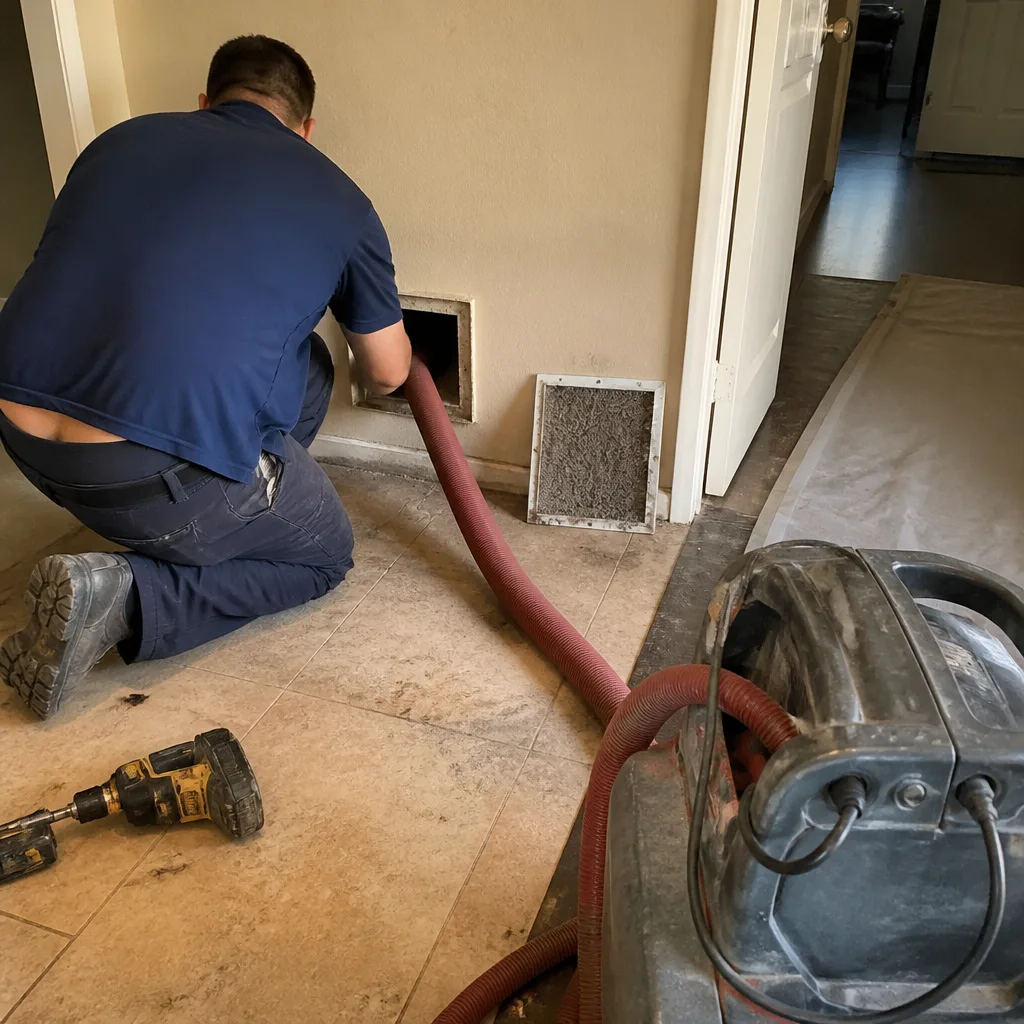 Before
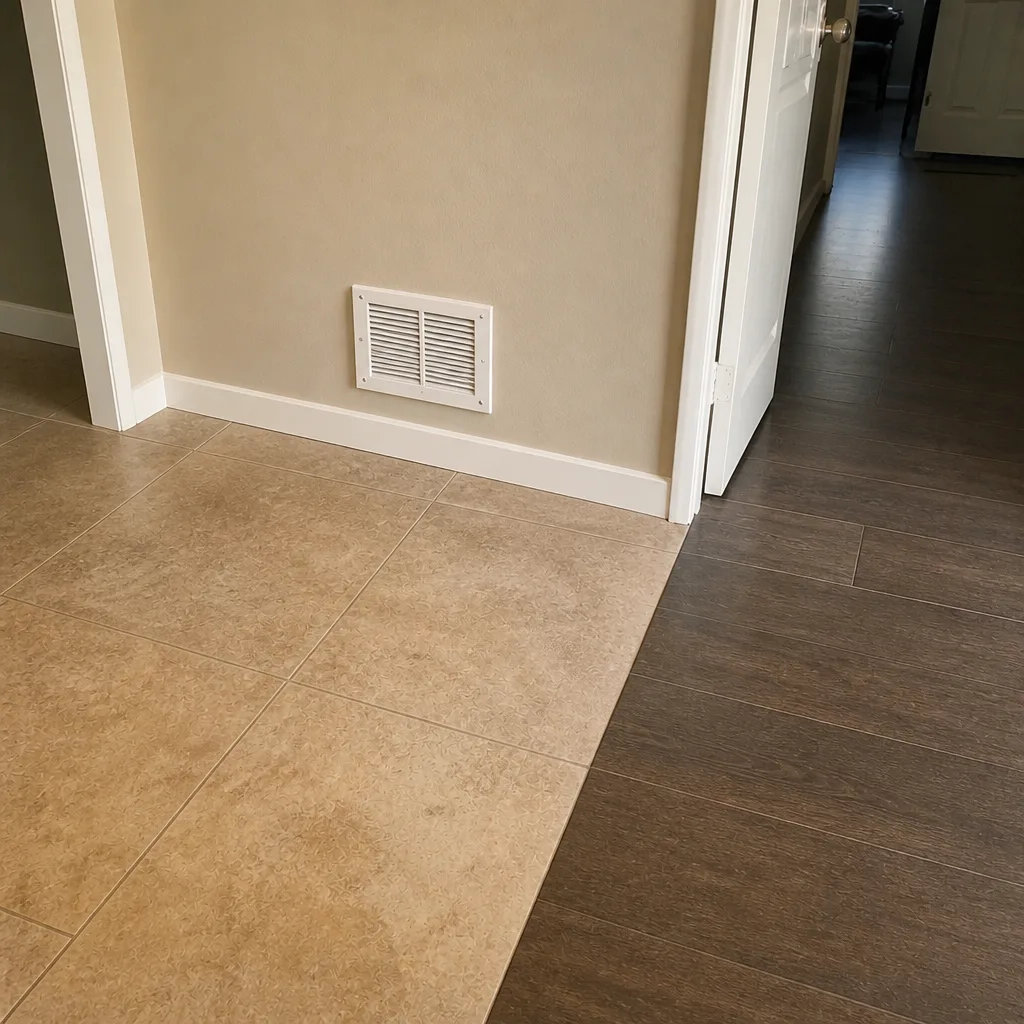 After
When to Call a Professional
You should call a professional when you can smell smoke indoors days after the outdoor air has cleared, when visible soot appears around register openings or on filters shortly after replacement, or when an industrial incident has occurred within a few miles of your home and you’re uncertain what entered the system. You should also call before a known event if you want the return path sealed and the filter housing checked. A professional inspection identifies the gaps and leaks that let outside air in, and it documents the pre-event condition of the system. Duct Cleaning Hawthorne offers free estimates in Hawthorne – call (855) 473-3133. We answer 24/7. Fast dispatch from 7am to 7pm, Sunday through Friday.
Frequently Asked Questions
Post-smoke duct cleaning in Hawthorne typically ranges from $450 to $900 for a full system cleaning, with the final price set by the written estimate after a visual inspection. Smoke-contaminated systems sometimes require additional surface treatment or component cleaning, which affects the total. Call (855) 473-3133 for a free assessment and exact quote.
Wait until the outdoor air quality has returned to normal for at least two to three days before scheduling cleaning. Cleaning while outdoor smoke is still present pulls contaminated air through the system during the process. The ducts should be cleaned as soon as practical after that window so residue doesn’t continue to off-gas into the living space.
Coverage depends on your specific policy and the circumstances of the event. Many policies cover duct cleaning when it’s part of documented smoke damage restoration, but the claim requires evidence: air quality records, photos of contamination, and a professional assessment. Document everything before cleaning begins. Call (855) 473-3133 if you need a written assessment for your claim.
DIY duct cleaning can’t achieve the negative-pressure extraction needed to remove fine smoke particulate. Household vacuums and basic brushes don’t generate enough airflow to pull sub-micron particles from duct runs, and without proper containment, agitation can release particulate into your living space. This is a job for professional equipment.
Smoke residue accumulates on the blower wheel and evaporator coil, reducing airflow and heat transfer efficiency. A coated coil can reduce system efficiency enough to increase cooling costs, and the residue continues to be a source of odor and particulate. Any complete post-smoke cleaning should include inspection of these components.
Does air duct cleaning remove wildfire smoke odor?
Source removal is the primary odor reduction method. When the particulate carrying the odor is extracted from the ducts and the surfaces are treated, odor diminishes significantly. In cases where the HVAC system was run during heavy smoke, additional treatment of the coil and blower may be needed. Call (855) 473-3133 for an assessment.
The Bottom Line
Emergency preparedness for your home’s air system isn’t about reacting after the fact. It’s about sealing return paths, upgrading filtration, and verifying duct connections before the smoke or chemical event arrives. When an event does occur, the response has to match the contamination type: recirculation with proper filtration for smoke, shutdown for chemical releases, and documentation throughout. Afterward, restoration-grade cleaning with professional extraction equipment is the difference between a system that’s actually clean and one that looks clean but keeps reintroducing particulate. The work is specific, the equipment matters, and the documentation protects your claim. For Hawthorne homeowners, the process starts with a free estimate at (855) 473-3133.
Written by the team at Duct Cleaning Hawthorne, serving Hawthorne since 2014.