
Last updated November 4, 2026
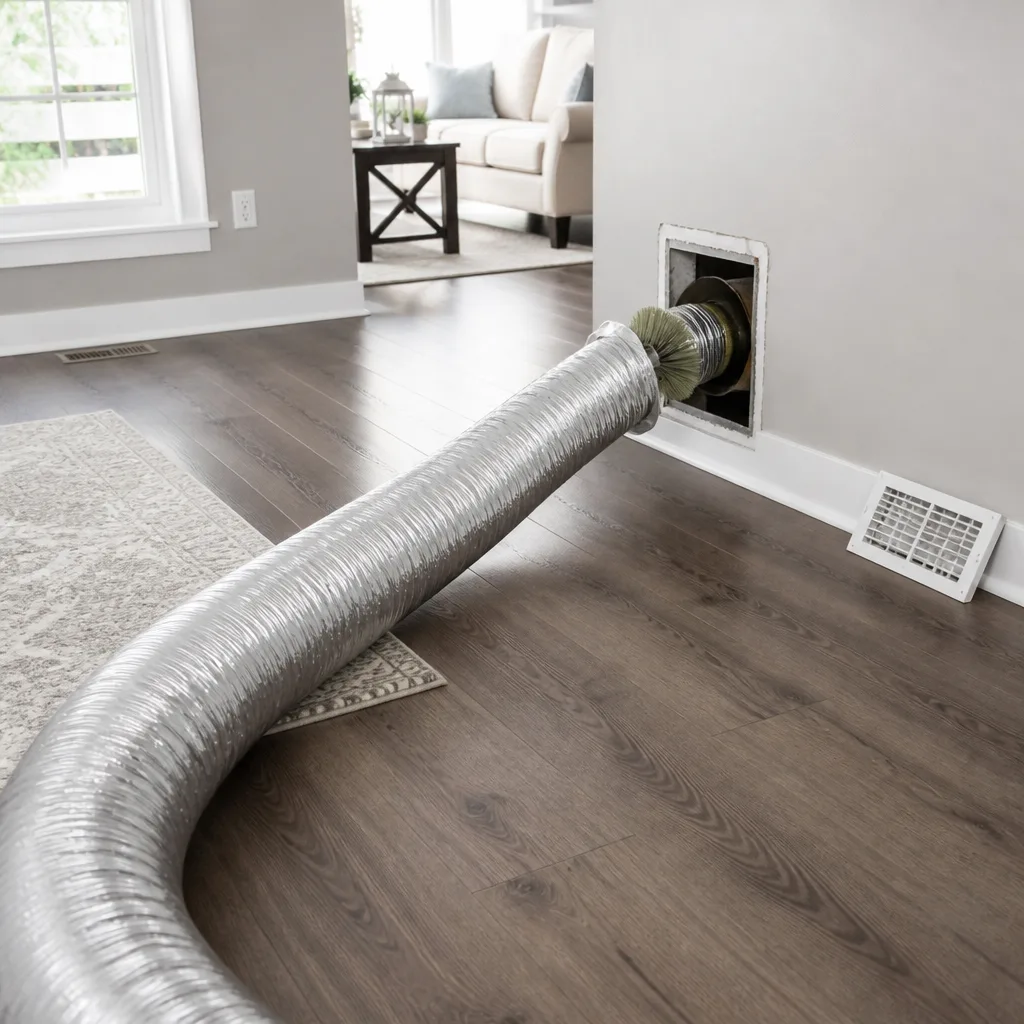 Whole-home duct cleaning
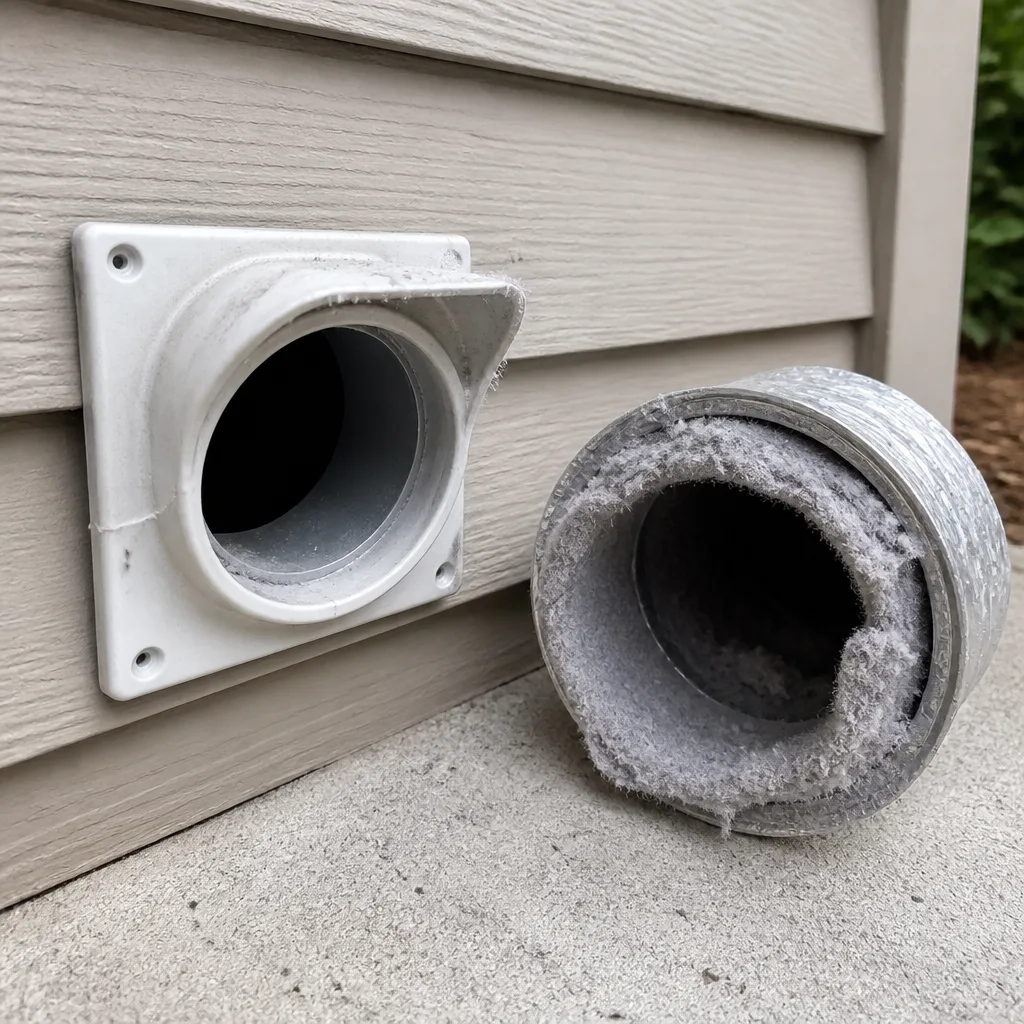 Dryer vent cleaning
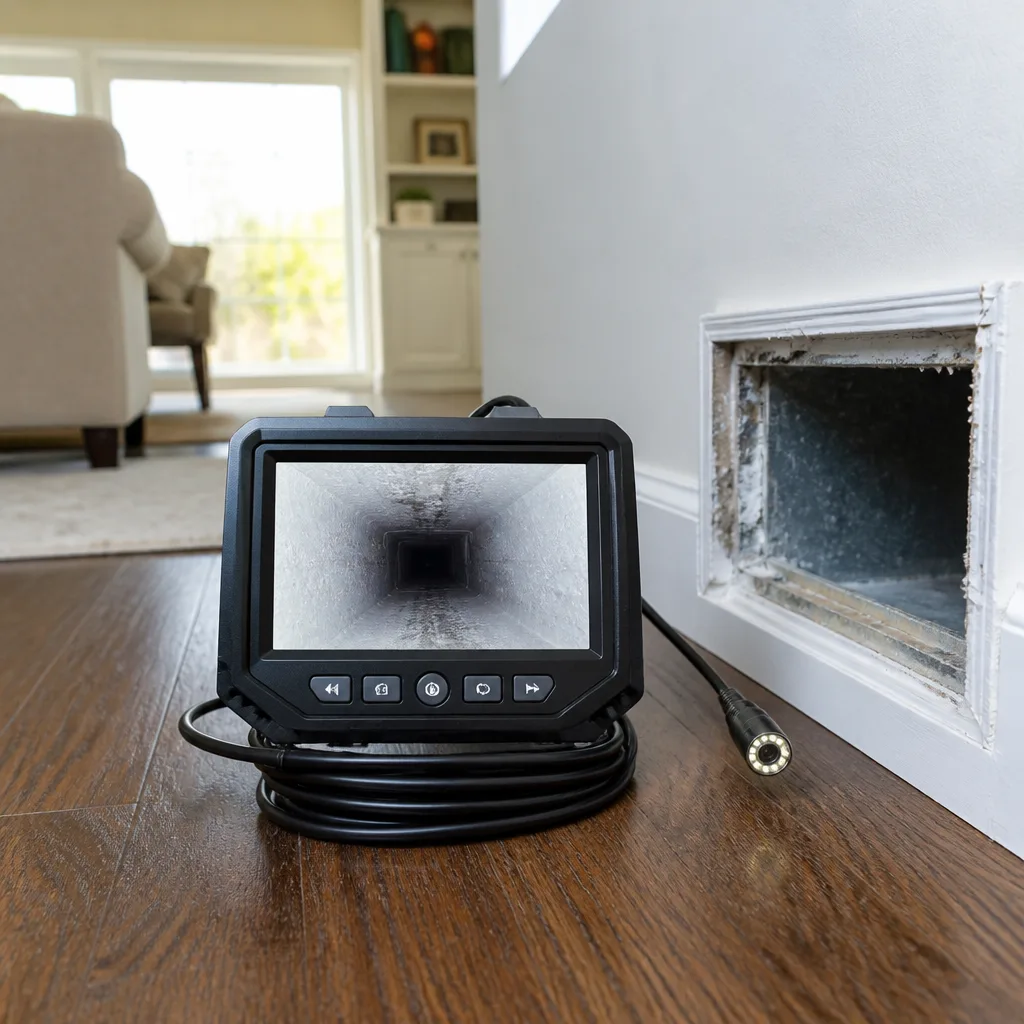 Camera inspection
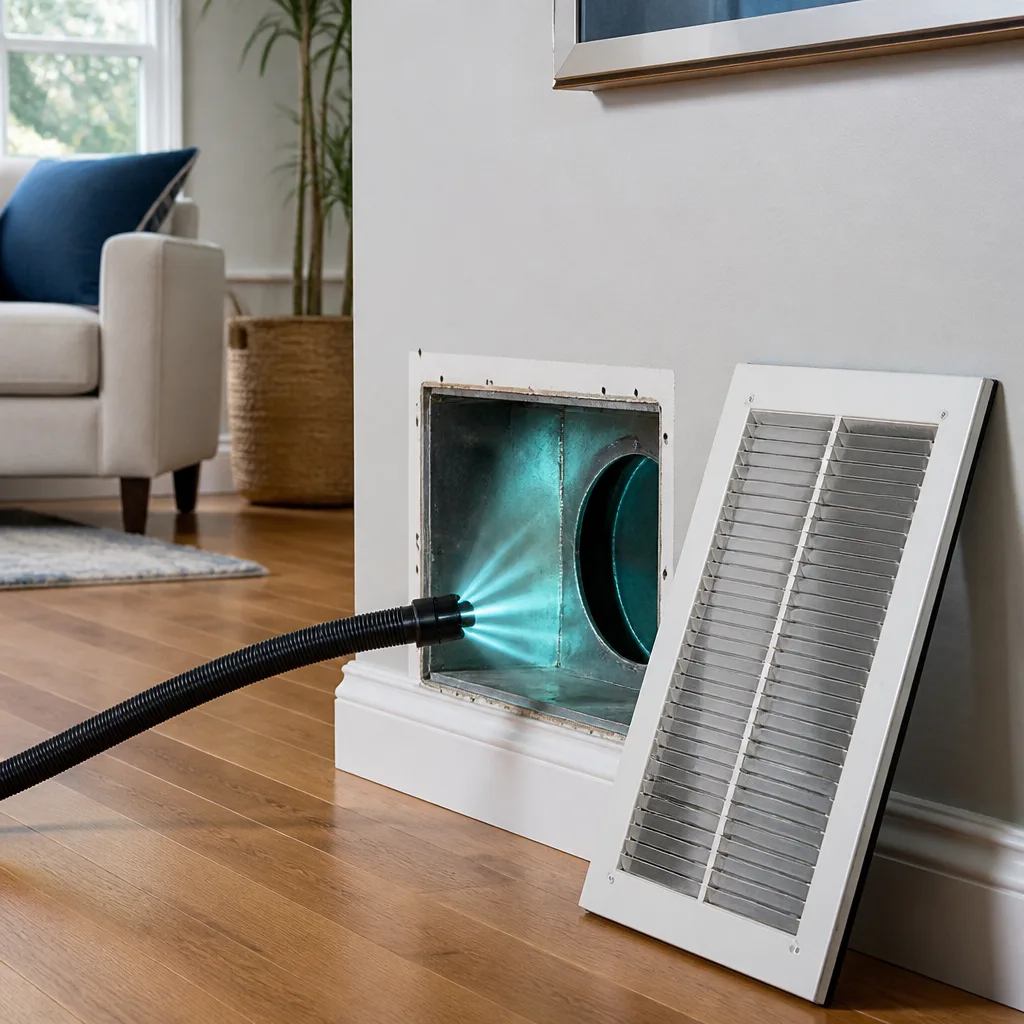 Sanitizing & deodorizing
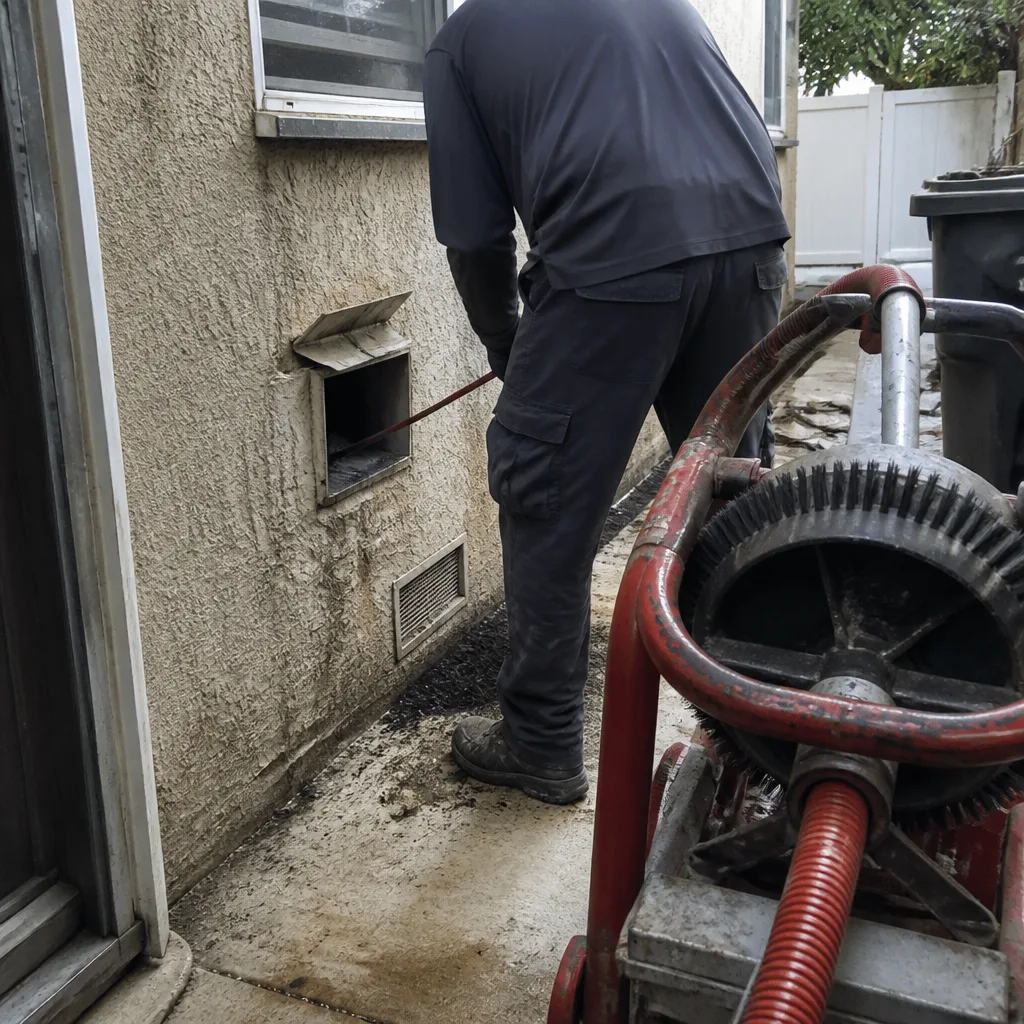
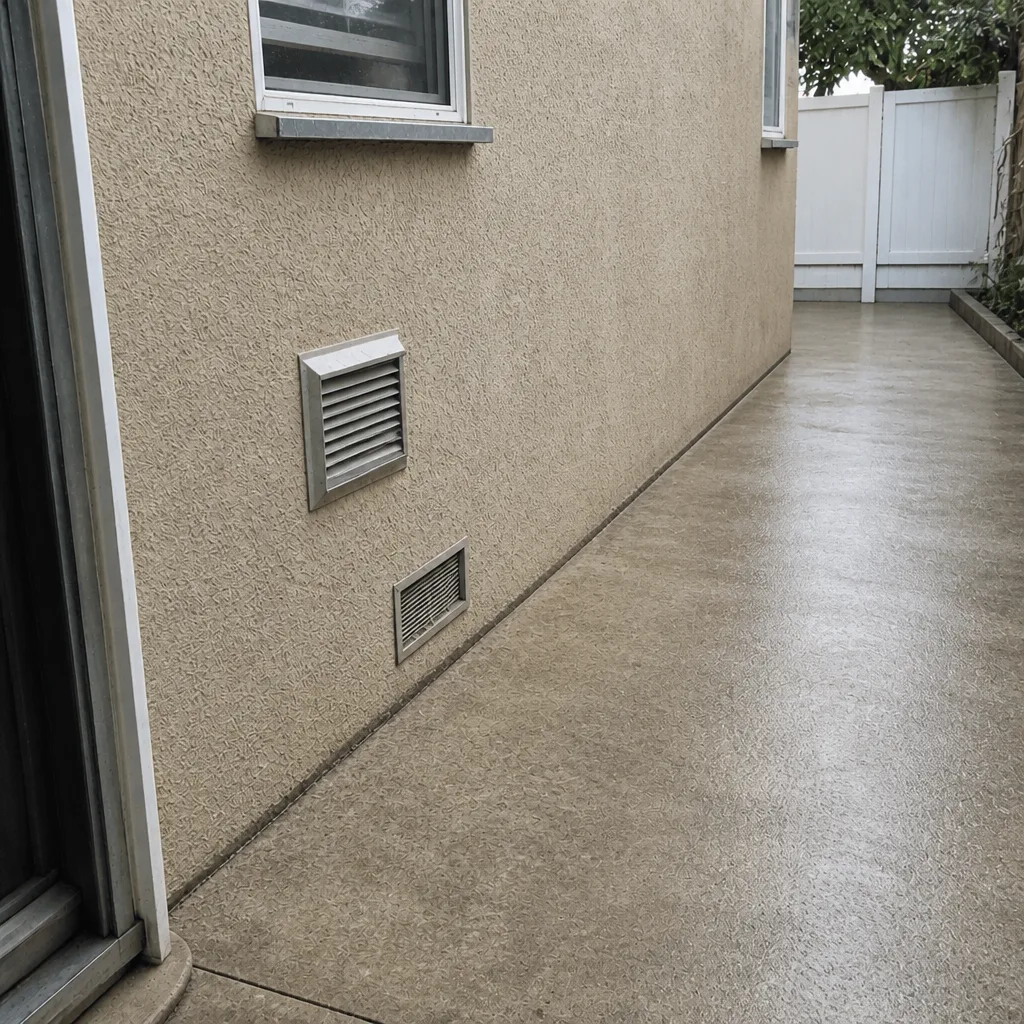
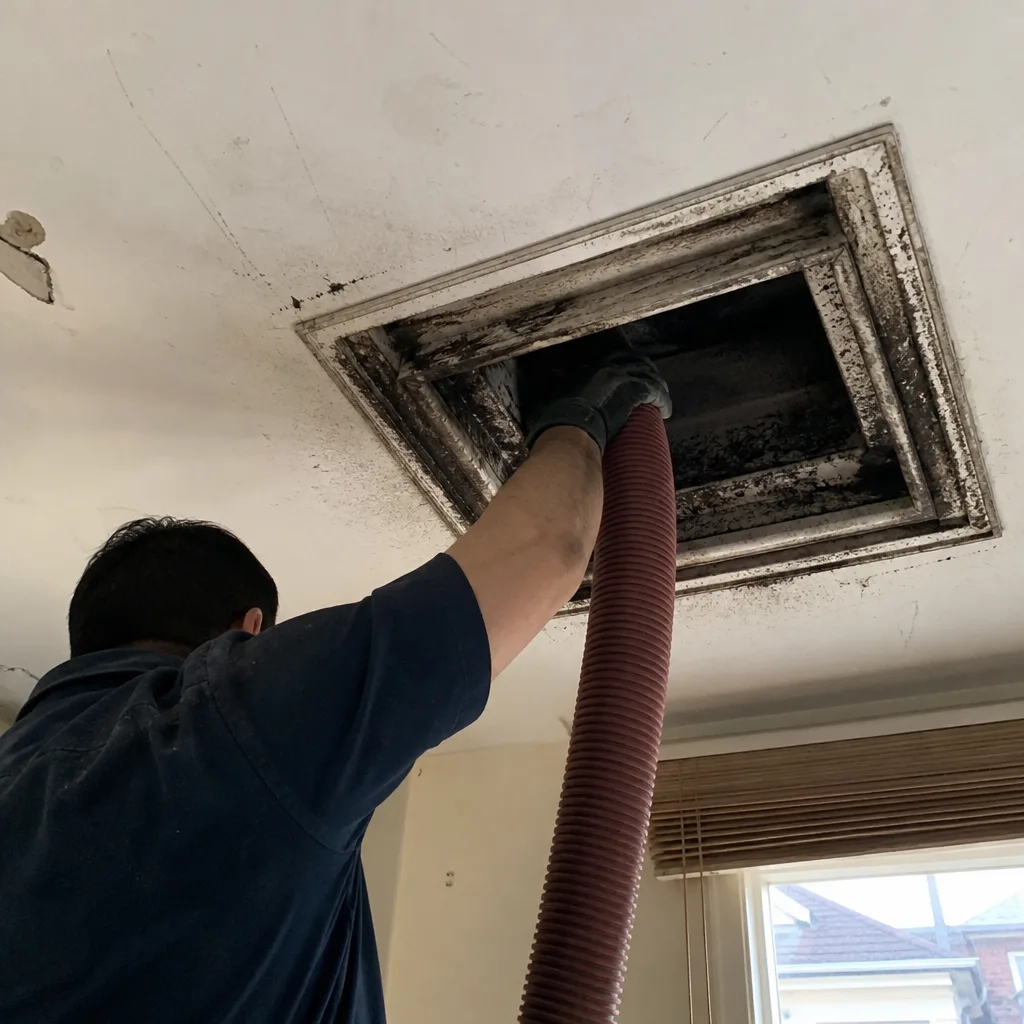
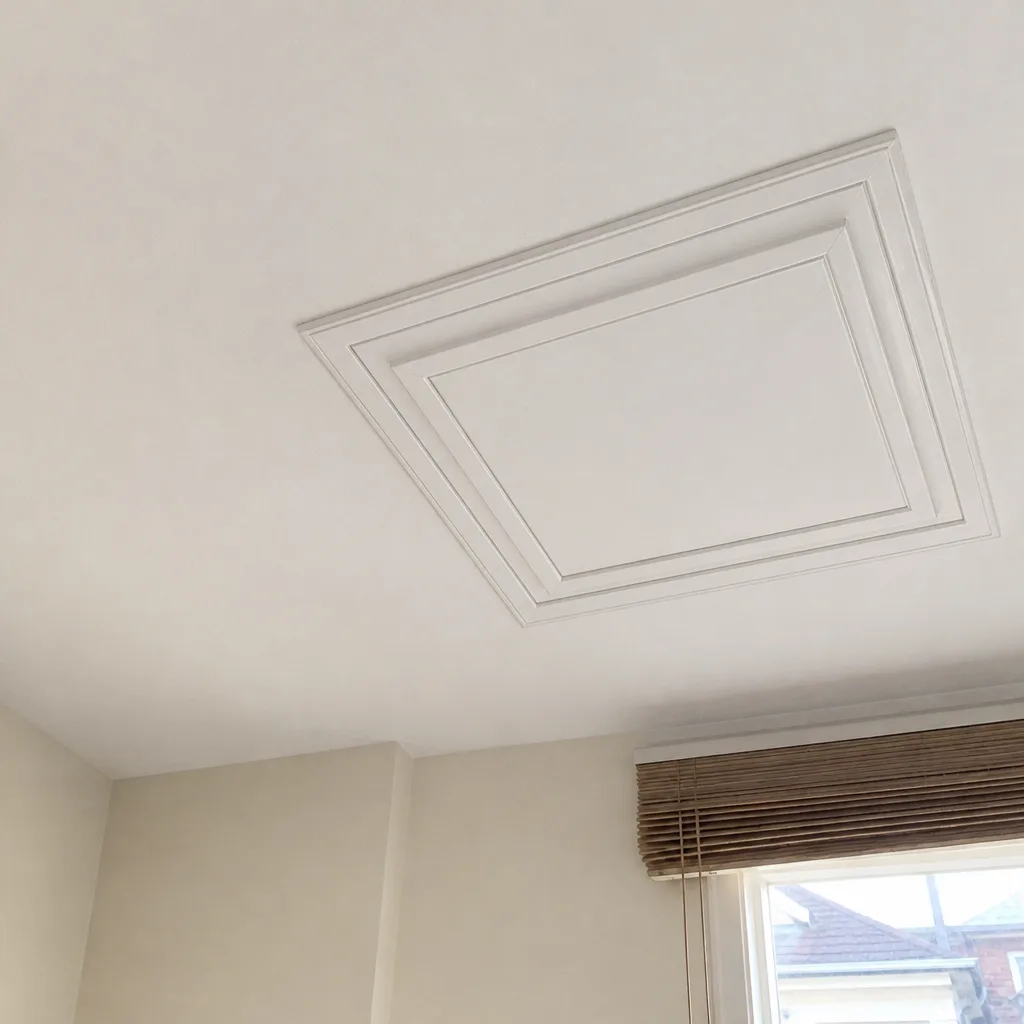
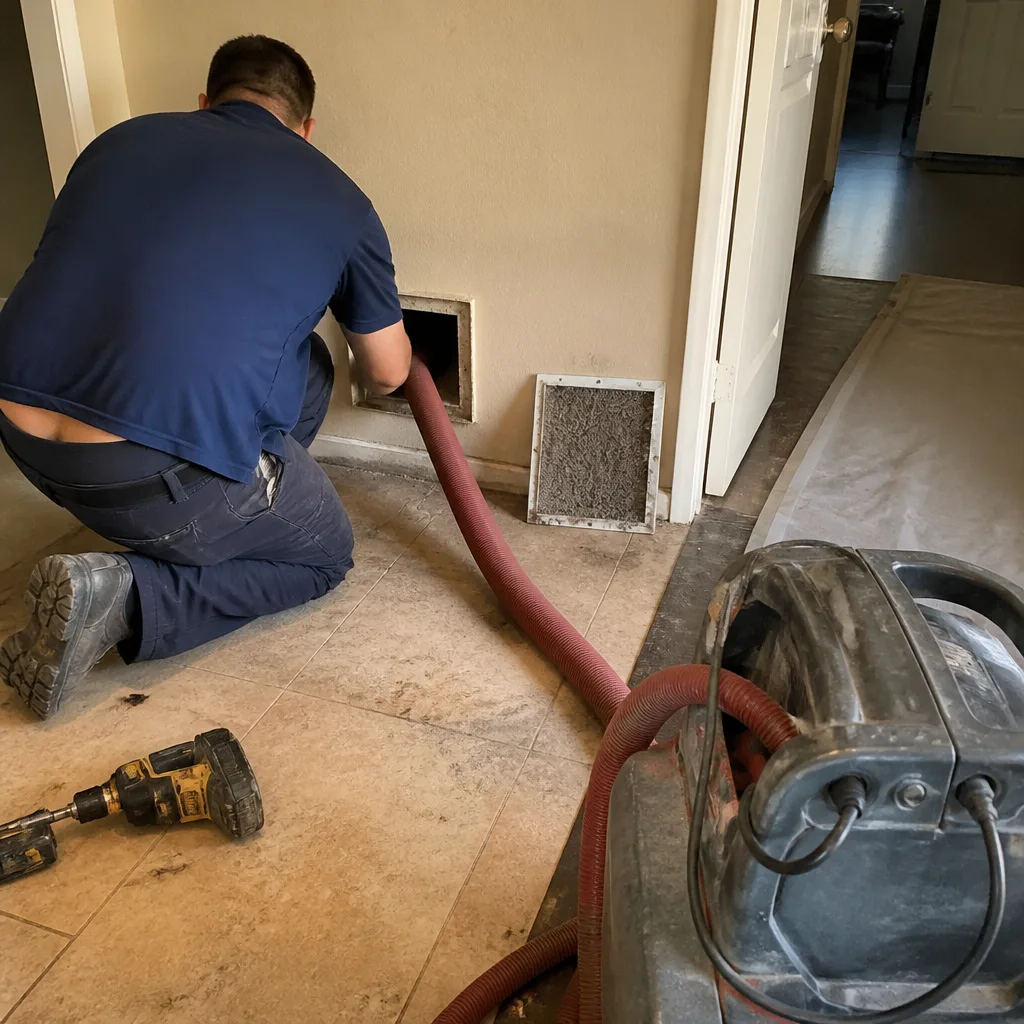
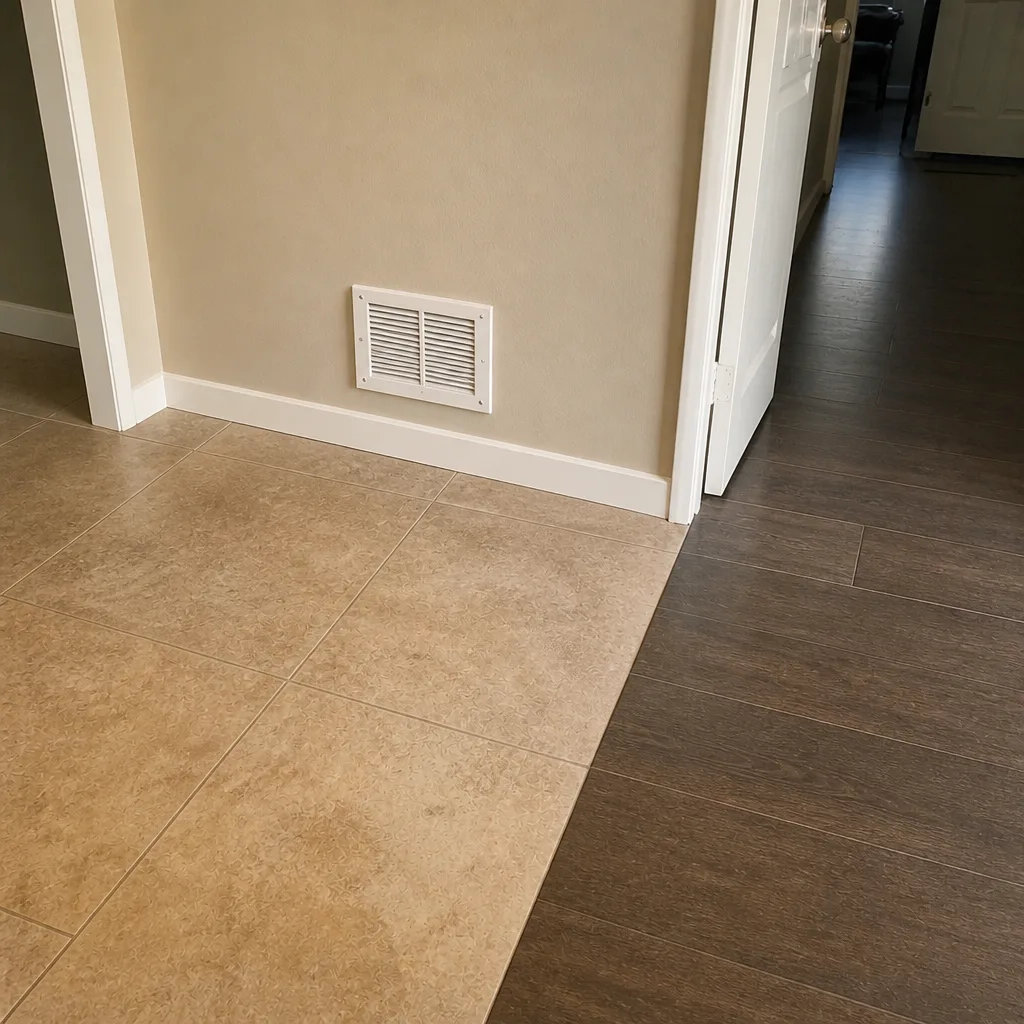
Whole-system duct and dryer vent check with before-and-after photos - you see exactly what came out of your vents
That "$99 whole-house special" is a bait ad - the real number appears once they are in your hallway, or the "clean" is a shop-vac at the register. We photograph the inside of your ducts before and after instead.
Air Duct Cleaning Permits, Codes & Inspections in Hawthorne, CA: What You Need to Know
Most homeowners in Hawthorne assume any work on their HVAC system requires a stack of paperwork from City Hall. That assumption is wrong in one direction and dangerous in the other. No permit is required to clean your ducts. But if a technician pulls out a section of damaged flex duct, caps off a branch line, or re-routes a supply run and does it without a permit, you now have an unpermitted HVAC modification on your property. That one hour of work can complicate a home sale years later, trigger a correction notice from the City of Hawthorne Building & Safety Division, or give your insurer a reason to push back on a claim. This guide draws the line between cleaning and construction, explains what California code actually requires, and gives you a practical checklist so you never cross that line by accident.
Styles & brands we work with
- Whole-home duct cleaning
- Dryer vent cleaning
- Camera inspection
- Sanitizing & deodorizing
Quick Answer
Air duct cleaning itself does not require a permit anywhere in California, including Hawthorne. The trigger point is repair, replacement, or modification of duct work, which falls under the California Mechanical Code and Title 24 energy standards. Routine cleaning, inspection, and sanitizing stay outside regulated territory. The moment the technician recommends removing, replacing, or reconfiguring duct sections, registers, or plenums, you’re in permit territory and should ask for a permit before authorizing the work.
Table of Contents
- Where Cleaning Ends and Construction Begins
- What California Code and Title 24 Actually Say
- When the City of Hawthorne Gets Involved
- The Specific Work That Triggers a Permit
- How to Verify Your Contractor’s Work Is Code-Compliant
- HOA Rules in Hawthorne Multi-Unit Properties
- Why Documentation Matters for Real Estate and Insurance in LA County
- Common Mistakes to Avoid
- When to Call a Professional
- Frequently Asked Questions
- The Bottom Line
Where Cleaning Ends and Construction Begins
The legal distinction in Hawthorne, and everywhere else in California, comes down to one word: alteration. Cleaning is a maintenance activity. Alteration is construction. A technician who runs a negative-air extraction system through your ducts, agitates the interior walls with rotating brushes, and removes dust and debris is performing maintenance. Nothing about the duct system has changed. The sheet metal, flex duct, joints, and registers remain exactly as they were before the job started, just cleaner.
The boundary gets crossed when the work changes the physical system. Replacing a collapsed section of flex duct in a crawlspace is an alteration. Cutting in a new supply register is an alteration. Reconfiguring duct runs to address airflow problems is an alteration. Even something that looks minor, like sealing a disconnected joint with mastic and new mechanical fasteners, technically constitutes a repair that changes the system from its prior installed condition. A good rule of thumb: if the work requires anything beyond the existing access points, you’re leaving cleaning territory and entering repair territory.
We see this boundary blurred constantly in the field. A homeowner calls for air duct cleaning, the technician discovers a tear in a flex duct during the inspection, and the natural instinct is to just fix it on the spot. That fix, well-intentioned as it may be, is where liability begins. A responsible contractor in Hawthorne will stop, explain what they found, tell you whether the repair requires a permit, and give you options before turning a wrench. That pause is the difference between a clean job and a clean job with a paperwork problem attached.
What California Code and Title 24 Actually Say
California regulates HVAC work through the California Mechanical Code, which the state adopts as part of the California Building Standards Code every three years. The CMC governs the design, installation, alteration, and repair of air distribution systems. Duct cleaning is not addressed in the CMC because it is not a construction activity. But duct replacement, duct modification, and duct sealing are addressed, and they carry specific requirements around materials, installation methods, and verification.
Title 24, the California Energy Code, adds a layer that many homeowners don’t anticipate. When ducts are repaired or replaced in a residential system, the work must meet minimum energy performance standards. That includes proper sizing for the system, sealing to reduce leakage, and in many cases post-work testing to confirm the system meets leakage limits. A technician who swaps out a section of duct without pulling a permit is also skipping the Title 24 verification that the work was done to code. That’s not a paperwork technicality. It’s a performance question: the new duct section might be too small, too large, or poorly sealed, and you won’t know until your energy bill tells you.
For Hawthorne homeowners, the practical takeaway is simple. Ask your contractor which permit path applies to any proposed repair. A contractor who says “this doesn’t need a permit” for work that involves replacing duct material should be able to explain why under the current CMC. If the explanation sounds vague, call the City of Hawthorne Building & Safety Division yourself and describe the proposed work. The city will tell you whether a permit is required, and that conversation is free.
When the City of Hawthorne Gets Involved
The City of Hawthorne Building & Safety Division is the local enforcement arm for the California Building Standards Code. Its role is plan review, permit issuance, and inspection for construction work within city limits. For a routine duct cleaning project, the city has no involvement because there’s nothing to inspect. For a duct replacement or modification, the city’s involvement is direct: a permit must be obtained before work begins, and an inspection is typically required after the work is complete but before the system is covered back up.
Working through the permit process in Hawthorne is not as burdensome as homeowners often fear. For a straightforward duct repair, the permit application is short, the plan review is minimal, and the inspection takes one visit. The advantage is what you get in return: a city inspector confirms the work was done to current code, the materials are correct, and the system is safe. That inspection record stays with the property and becomes part of the paper trail when you sell.
For property managers in Hawthorne’s multi-unit buildings, the city’s involvement can be more layered. Multi-family buildings often require mechanical permits for any work that touches common-area duct systems or penetrates fire-rated assemblies. A duct repair in a single condo unit might be a straightforward mechanical permit. The same repair in a shared chase between units could trigger fire-resistance requirements and a more detailed review. If you manage a building in Hawthorne with shared HVAC infrastructure, it’s worth having a conversation with Building & Safety before authorizing work, not after.
The Specific Work That Triggers a Permit
The line between no-permit cleaning and permit-required repair is not always intuitive. Here’s a clear breakdown of the most common scenarios we encounter in Hawthorne homes:
Work That Does NOT Require a Permit
- Air duct cleaning using negative-air extraction, brushing, or agitation equipment
- Visual inspection with cameras or other diagnostic tools inserted through existing access points
- Sanitizing or treating interior duct surfaces with approved products, as long as no structural change occurs
- Replacing a standard air filter at the return grille
- Cleaning registers, grilles, and diffusers that are removed and replaced in the same location
- Dryer vent cleaning that does not involve replacing vent pipe or re-routing the run
Work That DOES Require a Permit
- Replacing any section of flex duct, sheet metal duct, or duct board
- Installing new duct runs, new registers, or relocating existing registers
- Reconfiguring duct layout to change airflow distribution
- Replacing or modifying the plenum, air handler connections, or return drop
- Sealing duct joints with mastic as a standalone repair, when the work changes the system’s air-sealing characteristics, as opposed to incidental sealing performed during cleaning
- Modifying the dryer vent exhaust path, including changing pipe material, re-routing the run, or altering the termination point
If you’re uncertain about a specific job, the safest question to ask is this: “Does this work change the duct system from the condition it was in before you started?” If the answer is yes, there’s a strong chance a permit applies. When in doubt, ask the city. Hawthorne’s Building & Safety counter staff deal with these questions regularly and will give you a straight answer.
How to Verify Your Contractor’s Work Is Code-Compliant
The best way to protect yourself from unpermitted work is to verify before work starts, not after. Here’s a step-by-step process we recommend to every homeowner in Hawthorne who’s considering duct repairs:
- Ask the contractor to identify which scope of work requires a permit, in writing. A reputable contractor will do this without hesitation.
- Confirm the contractor holds a valid California contractor’s license, and that the license classification covers the proposed work. Duct repair falls under the C-20 warm-air heating, ventilating, and air-conditioning classification.
- Request the permit number once it’s issued. The City of Hawthorne will provide a permit number at the time of issuance, and you can verify it by calling Building & Safety.
- Ask when the inspection will happen. For duct work, the inspection typically occurs while the work is exposed, before insulation or drywall covers it. A contractor who wants to cover up the work before inspection is a red flag.
- Get a copy of the signed inspection card after the city signs off. That card is your proof of code compliance and belongs in your home’s records.
We use professional-grade equipment in our Duct Cleaning Hawthorne work, and that same standard of rigor applies to how we handle the paperwork side of repairs. The extraction systems from Rotobrush and Nikro that we run on cleaning jobs are the same caliber of tooling that restoration and remediation contractors rely on. But no amount of professional equipment substitutes for a proper permit when the work requires one. If the contractor you’re evaluating resists the permit conversation, treat that resistance as information.
HOA Rules in Hawthorne Multi-Unit Properties
If you live in a condo, townhouse, or planned development in Hawthorne, your HOA likely has rules that layer on top of municipal code. These rules don’t change whether a permit is required. They change how the work gets done. And they’re easy to overlook until a board member is standing in your doorway asking why there’s a truck parked in the fire lane.
Common HOA restrictions in Hawthorne multi-unit properties include limits on access hours for contractors, requirements for equipment staging in designated areas, and prior written approval for any work that touches common-area systems or structures. Some associations require proof of insurance before a contractor can enter the property. Others restrict the use of certain access points, like shared stairwells or courtyards, for carrying equipment.
Before you schedule a duct cleaning or repair in a Hawthorne HOA property, pull your governing documents and check for these provisions. A five-minute review can prevent a project from stalling halfway through. If the association requires pre-approval, get it in writing before the crew arrives. And if your building has shared duct infrastructure, confirm with the association and the city whether the work involves common areas, which can change both the permit path and the approval process.
For property managers, this is less about surprise and more about consistency. We’ve worked in Hawthorne buildings where the association has a standing approval process for routine maintenance like duct cleaning, and that’s the right model. It removes friction from legitimate maintenance while keeping the board informed about what’s happening in the building.
Why Documentation Matters for Real Estate and Insurance in LA County
LA County’s real estate market moves fast, and paperwork gets lost when transactions accelerate. Documentation of duct work, both cleaning and repairs, matters for two distinct reasons: real estate disclosure and insurance underwriting.
On the real estate side, sellers in California are required to disclose known material defects and relevant repair history. If you replaced a duct section with a permit, you have a record that the work was done properly. That record answers a buyer’s questions before they become objections. If the work was done without a permit, the disclosure becomes more complicated, and the buyer may demand a retrofit permit, a price reduction, or repairs before closing. A paperwork gap on a minor duct repair can delay a closing by weeks.
On the insurance side, LA County insurers periodically ask about HVAC system condition, especially on older homes and after major claims. Documentation that a licensed contractor cleaned or repaired the system supports the position that the system is maintained. That’s relevant for underwriting and for any claim that involves water damage, mold, or fire. The absence of records doesn’t automatically cause a problem, but a documented maintenance history is beneficial.
We use Abatement Technologies equipment on contamination-sensitive jobs, and that capability matters when documentation is viewed by an insurance adjuster or a real estate professional. The equipment brand signals that the work was performed with commercial-grade tools, not consumer equipment. Combined with before-and-after photos and a written report, that level of documentation stands up to scrutiny.
Common Mistakes to Avoid
- Assuming all duct work is permit-free. Cleaning is permit-free. Repair and replacement are not. Treat the two as separate categories, and ask which one you’re in before work starts.
- Letting a contractor talk you into a “quick fix” without a permit. A torn flex duct replaced on the spot may solve the immediate airflow problem, but it creates a paperwork problem later. Ask for the permit path before the repair.
- Not documenting the cleaning itself. Even permit-free work creates value when it’s documented. Before-and-after photos and a written summary of what was cleaned, what was found, and what was left alone are worth keeping.
- Overlooking the HOA layer in Hawthorne multi-unit properties. Municipal code is not the only set of rules. Check your HOA documents for access and approval requirements before scheduling work.
- Working with a contractor who dismisses Title 24. Duct repairs carry energy code requirements. A contractor who says “don’t worry about it” is asking you to absorb risk that belongs to them.
- Failing to verify the contractor’s license before work starts. The CSLB license lookup takes 30 seconds. A contractor without a valid C-20 license should not be touching your ducts, full stop.
- Not asking for the inspection card after repair work. The signed inspection card is your proof of compliance. Without it, you have a repair and a receipt but no independent verification.
When to Call a Professional
Chimney cleaning and duct cleaning share one thing in common: they’re invisible-system work, and the quality of the result depends entirely on the equipment and the person running it. If you’re seeing dust accumulate within days of cleaning a room, hearing airflow changes from room to room, or noticing the system running longer than it used to, it’s time to have a professional look at the full duct system. If a technician has recommended a repair that involves replacing duct sections or reconfiguring the system, call a company that handles the complete duct ecosystem: Hawthorne homeowners deserve a company that can clean the system, clear the dryer vent, and repair the ducts without handing you three different invoices from three different contractors.
Duct Cleaning Hawthorne offers free estimates for duct cleaning, dryer vent cleaning, and air duct repair in Hawthorne. Call (855) 473-3133. We answer 24/7. Fast dispatch from 7am to 7pm, Sunday through Friday.
Frequently Asked Questions
No. Air duct cleaning is classified as routine maintenance and does not require a permit from the City of Hawthorne or any other California jurisdiction. The permit requirement applies to repair, replacement, or modification of duct systems, not to cleaning the existing system.
Replacing flex duct, sheet metal duct, or duct board requires a permit, as does installing new registers, re-routing duct runs, modifying plenums, or changing the dryer vent exhaust path. If the work changes the physical system from its existing condition, you’re likely in permit territory. If you’re unsure, call the City of Hawthorne Building & Safety Division and describe the proposed work directly.
Ask for the permit number once issued, verify the contractor’s C-20 license on the CSLB lookup, and request a copy of the signed inspection card after the city inspector signs off. A contractor who resists any of these steps is signaling a problem before the work begins. Call (855) 473-3133 if you want a second opinion on a proposed repair. Estimates are free.
They can. Many Hawthorne HOAs restrict contractor access hours, require equipment staging in designated areas, and demand proof of insurance before work begins. Some associations require written pre-approval for work that touches common-area systems. Check your governing documents before you schedule.
Documentation answers buyer questions before they become objections. A duct repair with a permit and inspection record proves the work was done right. A duct cleaning with before-and-after photos and a written summary supports the overall maintenance narrative for the property. Both reduce friction in a transaction.
Ask the technician to stop and explain the repair, whether it requires a permit, and what the permit path involves. Get the recommendation in writing, including photos. Then get a second opinion if anything feels rushed. A legitimate repair will still be there tomorrow. Unpermitted work will follow the property for years.
The Bottom Line
Duct cleaning in Hawthorne is a permit-free maintenance activity. Duct repair and modification are regulated construction work. Knowing where that line sits is the single most valuable thing you can bring to any conversation with a contractor. Ask for permits when the scope crosses into repair territory. Verify licenses before work starts. Pull HOA rules for multi-unit properties. Keep documentation of everything. None of this is complicated, but it does require attention. For homeowners in Hawthorne who want a complete duct system handled correctly, call (855) 473-3133 for a free estimate. We answer 24/7. Fast dispatch from 7am to 7pm, Sunday through Friday.
Written by the team at Duct Cleaning Hawthorne, serving Hawthorne since 2014.
See the difference
 Before
 After
 Before
 After
 Before
 After