
Last updated November 4, 2026
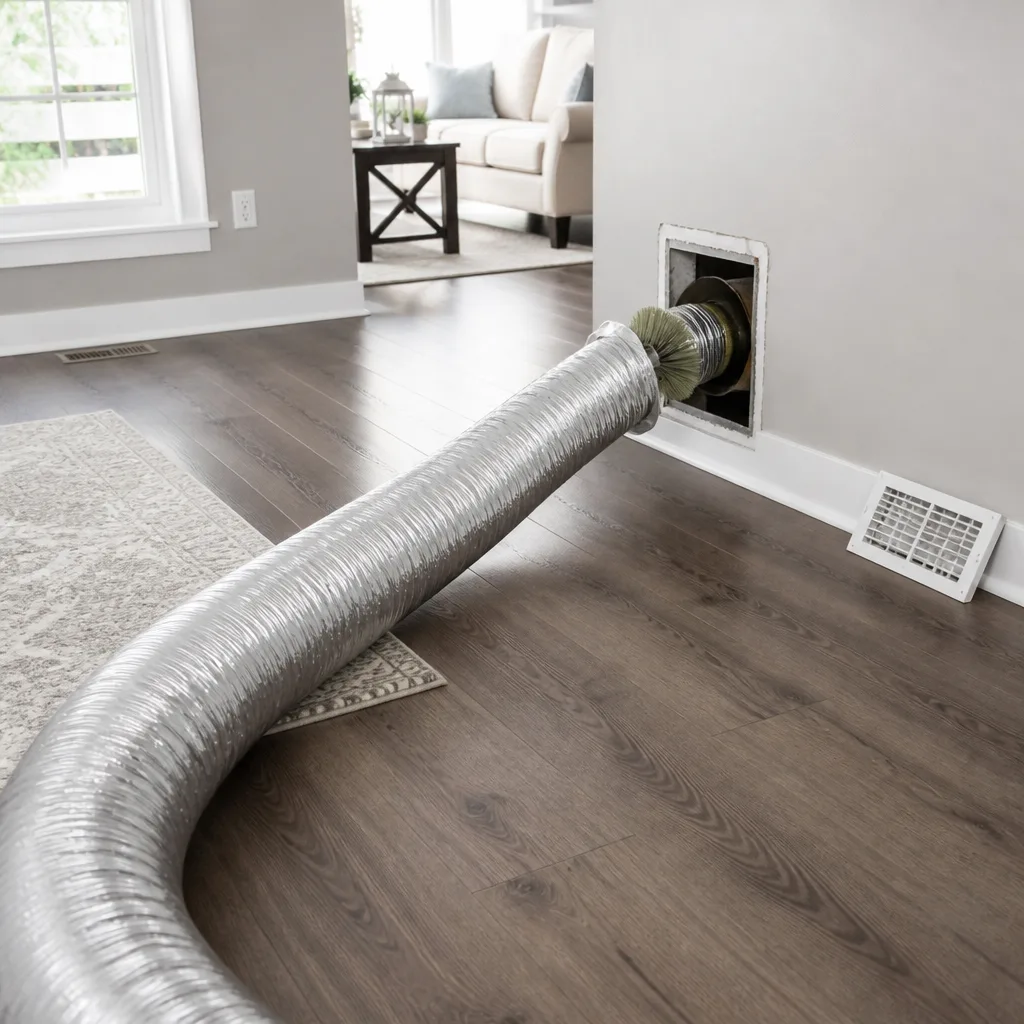 Whole-home duct cleaning
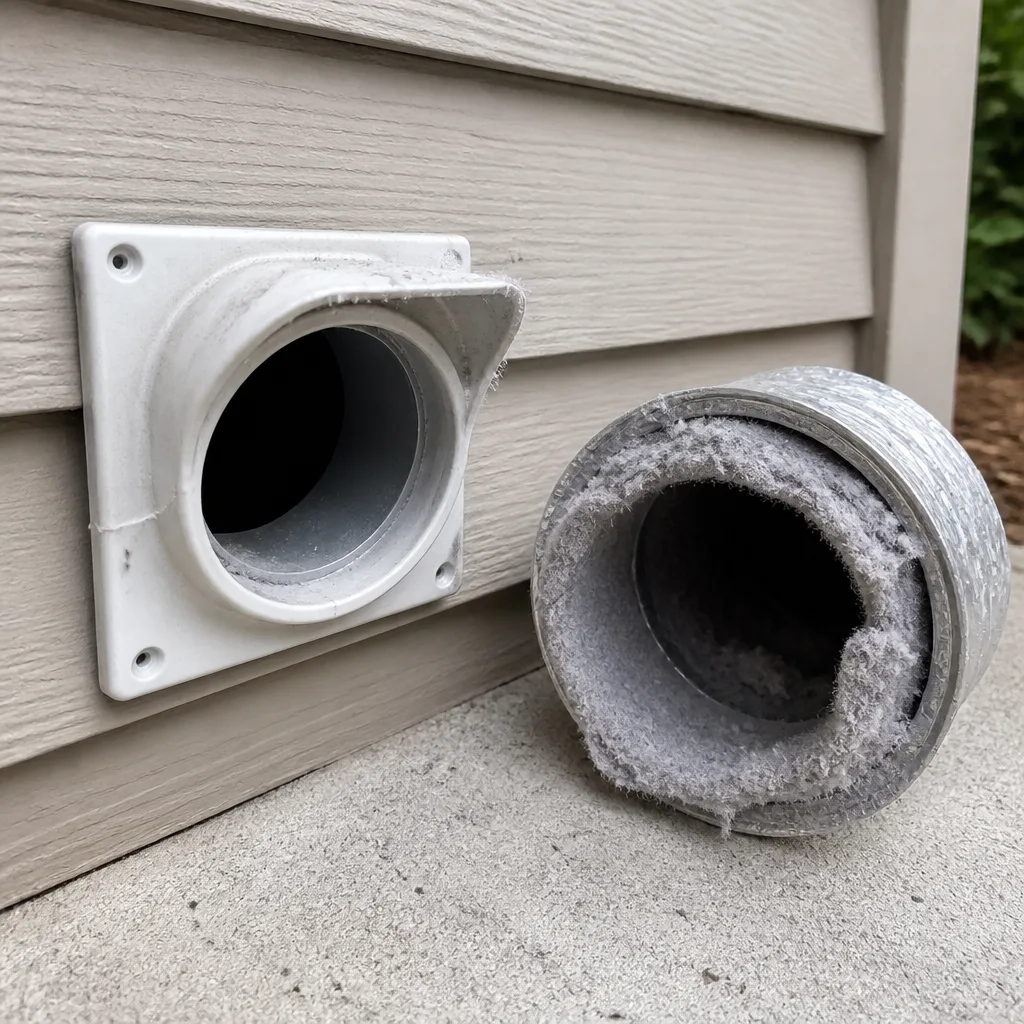 Dryer vent cleaning
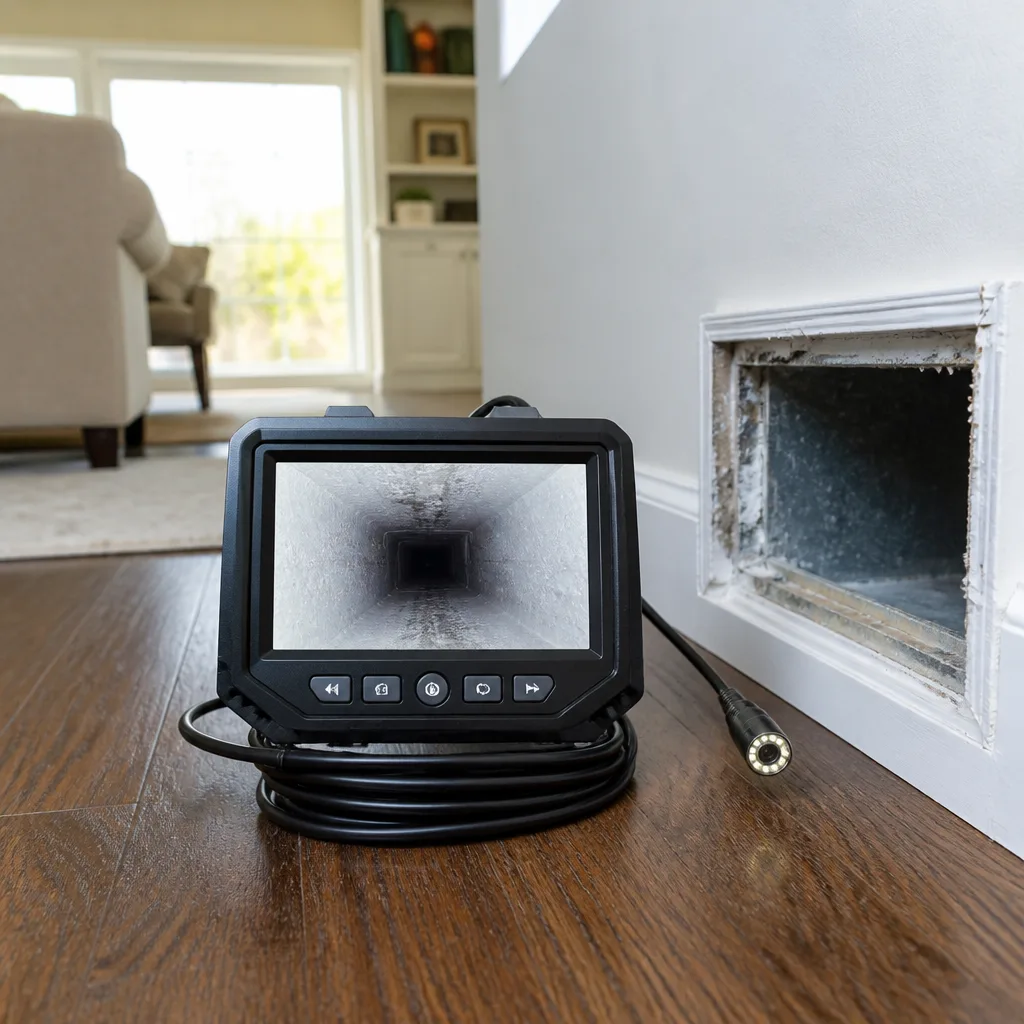 Camera inspection
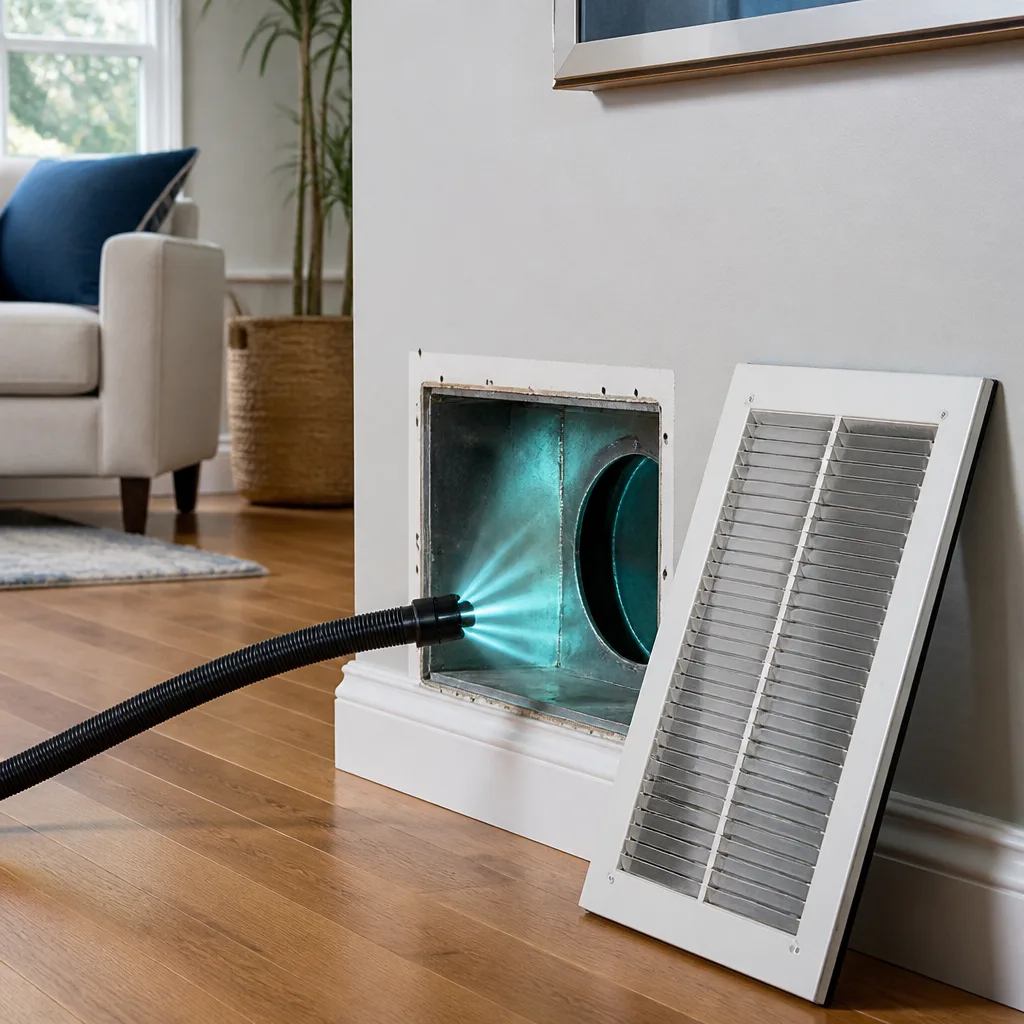 Sanitizing & deodorizing
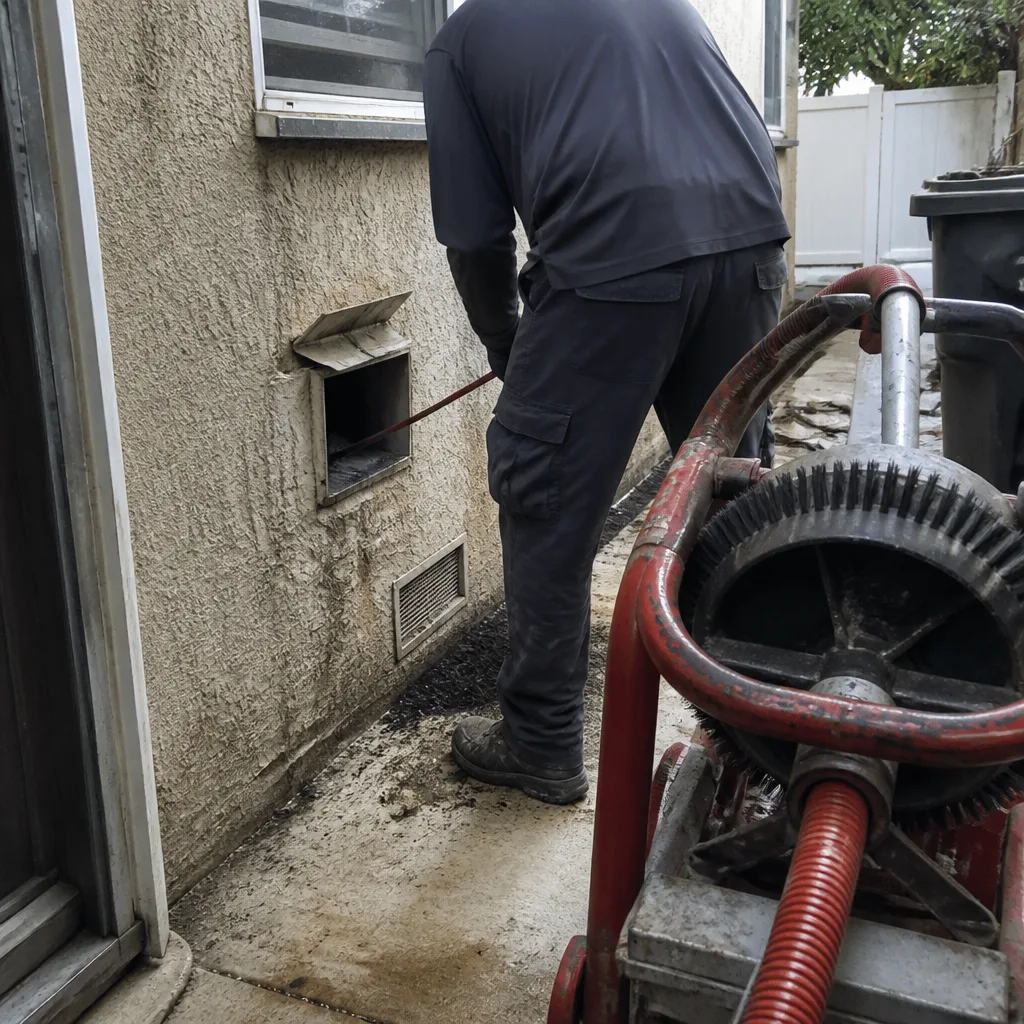
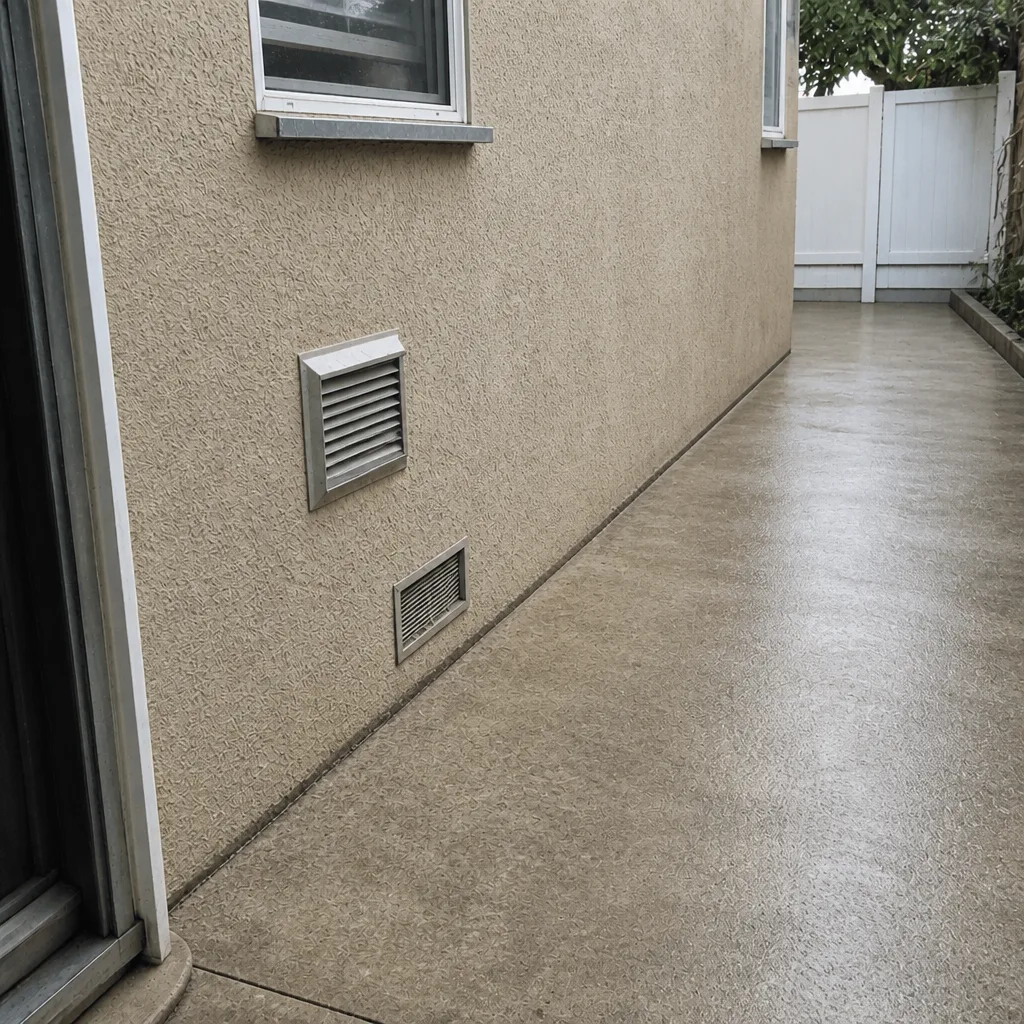
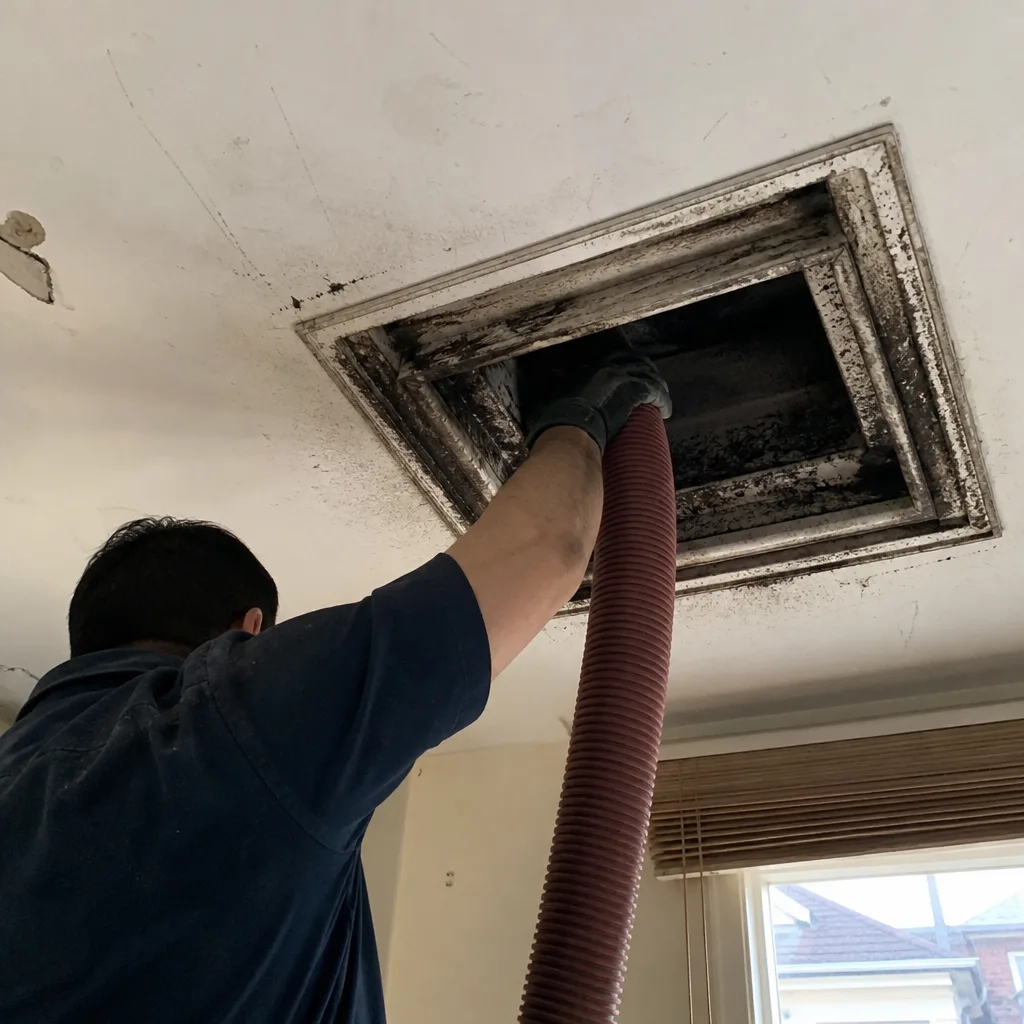
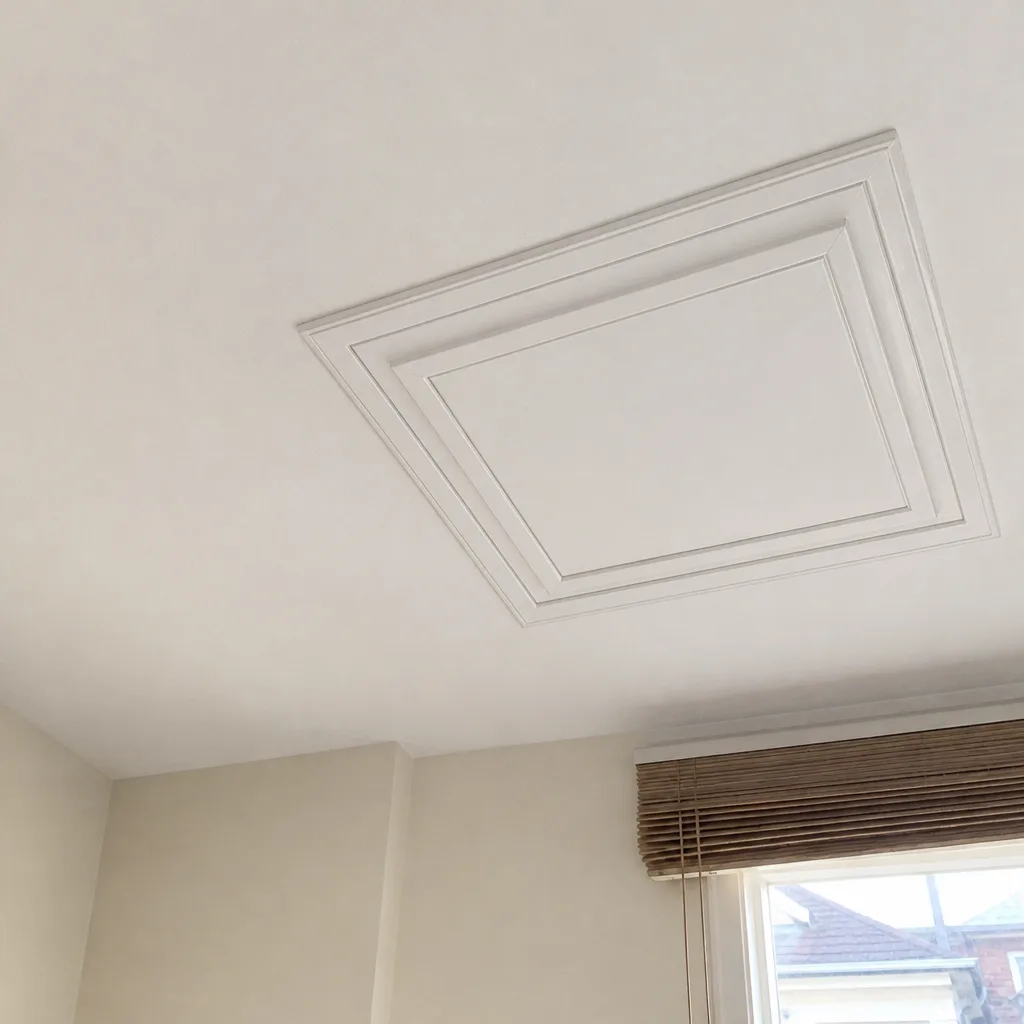
Whole-system duct and dryer vent check with before-and-after photos - you see exactly what came out of your vents
That "$99 whole-house special" is a bait ad - the real number appears once they are in your hallway, or the "clean" is a shop-vac at the register. We photograph the inside of your ducts before and after instead.
Air Duct Cleaning Troubleshooting in Hawthorne: Common Problems and How to Fix Them
A clogged register and a failed zone damper can produce the exact same symptom: one room stays stuffy while the rest of the house cools down fine. Homeowners in Hawthorne call us with this all the time, and plenty of guides would happily sell you a duct cleaning for it. The truth is messier. Cleaning clears debris. It does not repair a disconnected flex duct or a damper motor that stopped responding. This guide walks through the symptoms, the causes, and the handful of tests you can run before spending money, so you know whether a cleaning will solve the issue or simply delay the real repair. We’ve been doing this in Hawthorne since 2014, and we’d rather you know the difference before you pay for anything.
Quick Answer
Most duct problems in Hawthorne fall into two buckets: debris buildup that responds to professional air duct cleaning, and mechanical failures that cleaning will not touch. Weak airflow, musty odors, and uneven temperatures are the three big symptoms. Check the filter pressure drop, inspect accessible duct runs for visual damage, and look at your register covers before you call. If the cause is debris, cleaning fixes it. If the cause is a collapsed attic flex run or a stuck damper, you need a repair, not a cleaning.
Styles & brands we work with
- Whole-home duct cleaning
- Dryer vent cleaning
- Camera inspection
- Sanitizing & deodorizing
Table of Contents
- Symptom-to-Cause: Which Problems Are Duct-Related and Which Are Not
- How to Do a Basic Visual Inspection of Your Duct System in Hawthorne
- The One Tool That Tells You More Than Any Visual Check
- Post-Cleaning Symptoms: What’s Normal and What’s a Red Flag
- Hawthorne’s Housing Stock and Why Flex Ducts Fail in Attics
- Dryer Vent Blockages: The Fire Risk That Hides in Plain Sight
- Air Quality Upgrades That Outlast a Cleaning
- Common Mistakes to Avoid
- When to Call a Professional
- Frequently Asked Questions
- The Bottom Line
Symptom-to-Cause: Which Problems Are Duct-Related and Which Are Not
Before you spend money on any service, you want to know what the problem actually is. Here is the diagnostic tree we use when a Hawthorne homeowner describes their symptoms. It separates duct-debris issues from HVAC mechanical failures, because treating the wrong one wastes time and money.
Symptom: Weak airflow from one or two registers, everywhere else is fine.
- Possible cause 1: Debris blockage in that specific branch duct. Years of dust, pet hair, and construction debris can narrow a duct run. Cleaning usually resolves this.
- Possible cause 2: A collapsed or disconnected flex duct. In Hawthorne attics, flex duct can sag, kink, or pull off a collar. Cleaning will not fix this. The duct needs to be reconnected or replaced.
- Possible cause 3: A closed or failed zone damper. If your system has zoning, a stuck damper blade produces the same weak-airflow symptom. Again, cleaning does not touch it.
Symptom: Musty smell when the system runs.
- Possible cause 1: Microbial growth on the coil or inside the duct lining. This is a contamination problem. Depending on severity, it may require cleaning with proper antimicrobial treatment, not just vacuuming.
- Possible cause 2: A dead rodent or accumulated organic debris in the duct. Cleaning removes the debris; a repair may be needed to seal the entry point.
- Possible cause 3: A condensate drain pan that never fully dries. This is an HVAC mechanical issue. Cleaning the ducts will not stop the smell if the pan keeps refilling.
Symptom: Rooms heat or cool unevenly.
- Possible cause 1: Duct leakage. Hot attic air gets drawn into the return side, cold conditioned air escapes into the attic on the supply side. This is common in older Hawthorne homes. Duct repair and sealing is the fix.
- Possible cause 2: Debris partially blocking the supply runs farthest from the air handler. The longest runs suffer first. Cleaning restores flow when debris is the culprit.
- Possible cause 3: An undersized return or a dirty blower wheel. Neither responds to duct cleaning alone.
The pattern is the same across every symptom: debris answers to cleaning. Mechanical or structural problems answer to repair. Our job at Duct Cleaning Hawthorne has always been to tell you which one you have before anyone puts a tool in your ductwork.
How to Do a Basic Visual Inspection of Your Duct System in Hawthorne
You can learn a lot with a flashlight and ten minutes. This is not a substitute for a professional inspection, but it tells you whether you are likely looking at debris, damage, or both. Here is the step-by-step we recommend for any Hawthorne homeowner who wants to know what they’re dealing with before spending money.
- Turn the system off. You’re going to open register covers and you don’t want the blower pushing dust into your face.
- Remove a supply register cover, preferably in a room where the airflow feels weak. Use a flashlight and look down the duct opening. You’re checking for a visible dust blanket, pet hair accumulation, or debris that looks like it’s been there a long time. A thin, fine layer of dust is normal in any vented system. A thick, gray, matted layer is not.
- Look at the register cover itself. If the fins are clogged with dust or the cover is discolored, that tells you debris has been moving through that section. If the cover is clean but airflow is still weak, the problem may be further down the line or mechanical.
- If you have attic access, check the accessible duct runs. Look for flex duct that sags sharply, is pinched between framing members, or has pulled away from a metal collar. In a Hawthorne attic, summer heat softens flex duct and makes collapse and disconnection more likely. Any visible gap or crushed section is a mechanical problem that cleaning cannot reverse.
- Count the returns. Many older Hawthorne homes have a single central return. If bedrooms are stuffy, the problem may be that the return path is too small for the air the system is trying to move. That’s a design issue, not a dirt issue.
- Put everything back firmly but without overtightening. A loose register cover rattles. A stripped screw hole is a minor annoyance, but it’s yours now.
The visual inspection tells you whether you can see the debris. It cannot tell you how much is deeper in the trunk line or inside the air handler. That’s what the professional equipment is for.
The One Tool That Tells You More Than Any Visual Check
Here is the tool most guides never mention: a differential pressure gauge across the filter. It costs little, takes two minutes to read, and it tells you more about real duct restriction than shining a flashlight into a register ever will. If we could hand every Hawthorne homeowner one diagnostic tool, this would be it.
The concept is simple. Your system pulls air through the filter and pushes it through the ducts. A clean, properly sized filter with an open duct system creates a small pressure drop. A clogged filter or a restricted duct path creates a larger drop. Reading the difference across the filter tells you which side of the system is the bottleneck.
Here is how to use it:
- Get a basic digital differential pressure gauge or a manometer. Even a simple model works for this purpose.
- With the system running, place one probe just before the filter and one just after it. You are measuring the pressure difference the filter creates as air passes through.
- Note the reading. A heavily loaded filter that’s been in place for months will show a higher drop than a fresh one. That’s expected. But the real insight comes next.
- Replace the filter with a clean one and read again. If the pressure drop stays high even with a new filter, the restriction is downstream, in the coil or the ductwork itself. A dirty coil or a packed duct system raises resistance. This points you toward a deeper issue that a filter change will not fix.
- Compare readings over time. A rising pressure drop with a clean filter means debris is accumulating in the coil or ducts. That’s your sign that a cleaning is due, not just a filter swap.
We use professional-grade extraction systems from Rotobrush and Nikro to clear that kind of restriction when it’s in the ductwork. The pressure reading does not lie: if the system is laboring, the debris is real, even if the register looks fine. Most homeowners in Hawthorne never see this measurement before they call someone. We take it as part of understanding what’s actually happening in your system.
Post-Cleaning Symptoms: What’s Normal and What’s a Red Flag
You scheduled a cleaning. The crew left. Now you notice something and you’re wondering if the job was done right. Here is the honest breakdown of what’s normal in the first few days after a professional air duct cleaning in Hawthorne, and what you should never accept.
Normal: a brief, light dust smell or a little visible dust for a day or two. Cleaning disturbs material that’s been sitting in the ducts for years. A small amount of airborne dust is expected as the last particles settle. It should not last long.
Red flag: dust blowing from registers for weeks after the job. That means debris was loosened but not fully extracted, or worse, the extraction equipment did not create enough negative pressure to remove what it knocked loose. A proper cleaning with professional extraction should leave the system cleaner, not redistribute the dust.
Normal: a faint cleaning-solution odor if a treatment was applied. Surface treatments from brands like Guardsman are part of post-clean protection in some jobs. The smell should dissipate quickly. If it lingers for days, the product was likely over-applied or the system was not ventilated properly after treatment.
Red flag: louder airflow noise you didn’t have before. This is the one we hear about most often after a poorly done job. Increased noise often means a leak was created or widened at a joint, collar, or access point that the cleaning knocked loose. If the system now hisses or whistles, get back up and check the connections. A professional job should not leave the system louder than it started.
Red flag: a new or stronger musty smell after cleaning. If moisture was introduced, or if the cleaning exposed growth that was previously sealed behind debris, the job made the indoor air quality worse. That’s a failure of method, not a normal outcome.
The short version: a day or two of mild dust is fine. Anything that persists is not. We stand by the work we do in Hawthorne, and that includes telling you when a previous job was done wrong and needs to be redone correctly.
Hawthorne’s Housing Stock and Why Flex Ducts Fail in Attics
Hawthorne has a lot of homes built between the 1950s and the 1980s, and a large share of those use stucco construction. Stucco is great for the Southern California climate: it handles heat well and does not need much beyond paint. But here is what most homeowners don’t realize: those stucco homes typically have zero tolerance for ductwork changes inside the walls. That means the ducts get routed through the attic.
And the attic is exactly where flex duct fails in Hawthorne’s climate.
Flex duct is a coiled wire frame wrapped in insulation and an outer jacket. It’s light, it’s cheap to install, and it handles the gentle curves of an attic layout. But it does not handle heat cycling well over decades. During a Hawthorne summer, attic temperatures regularly climb well above the outdoor air temperature. The outer jacket softens. The inner lining can separate. The wire coil can deform. Over enough summers, the duct sags between supports, kinks at bends, or pulls entirely off the metal collar at the supply box.
When a homeowner tells us a bedroom never gets cool enough no matter how long the system runs, and the house is a 1960s stucco home with all the ducts in the attic, we check flex duct integrity first. Debris may be present, but it’s rarely the root cause. A disconnected flex run blows conditioned air into the attic, not into the room. That’s why cleaning alone often disappoints: the air never arrives regardless of how clean the duct is.
The fix here is air duct repair: reconnecting the run, replacing a crushed section, or re-hanging sagging spans. Often we combine it with a cleaning while the system is open and accessible. If the duct separated, everything downstream got exposed to attic dust anyway. But the order matters. Repair the connection first. Then clean the system. Cleaning a disconnected duct is like vacuuming a hose that is not attached to the vacuum.
Dryer Vent Blockages: The Fire Risk That Hides in Plain Sight
Dryer vents deserve their own section because they are the most dangerous duct problem in a Hawthorne home, and the one homeowners most often ignore. We do not treat dryer vent cleaning as an add-on or an afterthought. Dryer vents are a documented residential fire risk, and we treat them that way.
A dryer vent moves hot, humid air and lint from the dryer to the outside. Lint is extremely fine and extremely flammable. Every load of laundry sheds a little more of it, and not all of it gets caught by the lint screen. Over months and years, the inside of the vent pipe develops a coating that narrows the passage. The dryer then runs longer, the vent gets hotter, and the accumulated lint becomes the fuel source. This is not a hypothetical. It’s the single most preventable fire cause tied to a duct system.
Symptoms of a restricted dryer vent in Hawthorne are straightforward:
- Drying takes two or three cycles instead of one.
- The outside vent flap barely moves when the dryer runs.
- The dryer cabinet feels unusually hot to the touch.
- Laundry room humidity is noticeably higher during a cycle.
- You see lint accumulation around the dryer or at the exterior vent opening.
Every one of those signs says the same thing: the vent needs to be cleared. A homeowner can clean the lint screen after every load, and should, but the screen does not catch everything. The vent pipe itself requires professional cleaning to remove the accumulation a screen never stops.
Dryer vent cleaning is one of the three core services we provide at Duct Cleaning Hawthorne, and we treat it as a safety job, not a convenience. The equipment is the same professional-grade gear we use on air ducts, because the standard is the same: get the debris out, completely, and verify the path is clear when the job is done.
Air Quality Upgrades That Outlast a Cleaning
Cleaning removes what is already in the ducts. It does not automatically change what flows through them afterward. That’s why we stock and install air quality components from Honeywell and Aprilaire alongside the cleaning work we do in Hawthorne. It’s the difference between cleaning the pipe and upgrading what the pipe delivers.
The most common upgrade Hawthorne homeowners ask about is filtration. A standard one-inch filter is designed to protect the equipment, not to improve the air you breathe. It catches the largest particles. A media filter from Aprilaire, installed at the air handler, does a different job: it catches the fine particles that pass through a standard filter. For a home with allergies, a pet, or a smoker, the difference in what lands on surfaces changes quickly.
Humidity control is the other side of the same coin. Southern California’s dry periods make static and dust cling worse. A whole-home humidifier from Aprilaire, tied into the ductwork, adds just enough moisture to keep dust from hanging in the air as long. It’s a quiet, mechanical improvement that shows up in daily comfort rather than in any dramatic single moment.
We are careful not to oversell these as a replacement for cleaning. They are not. A filter upgrade in a dirty duct system just collects the dirt that was already there. The order matters: clean first, then decide whether the air quality in the home calls for a filtration or humidity upgrade. We can install both in the same visit, but the cleaning always comes first.
The point is that the question “should I clean my ducts?” often opens a second question: “what else can I do so they stay cleaner longer?” That second question is where brands like Honeywell and Aprilaire enter the conversation. We carry them because they are the same professional-grade standard we apply to everything else in the duct system.
Common Mistakes to Avoid
- Cleaning a disconnected flex duct. In a Hawthorne attic, a pulled-apart flex run is a structural problem. Cleaning the inside of a duct that is not connected to the supply box wastes the cleaning. Inspect first, clean second.
- Assuming weak airflow means dirty ducts. It can, but it can also mean a collapsed flex run, a failed damper, or a dirty blower wheel. Treating all weak airflow as a debris problem is the most expensive mistake we see homeowners make.
- Waiting until the dryer takes three cycles. By the time drying time doubles, the vent is already heavily loaded. Cleaning it sooner resets the risk and the inefficiency. Dryer vent cleaning is a maintenance item, not an emergency purchase.
- Using a shop vac to clean ducts. A consumer-grade vacuum does not create the negative pressure needed to extract debris from the full run. It disturbs dust and pushes some of it deeper. Professional extraction systems from Rotobrush and Nikro exist because this is a mechanical problem, not a housekeeping problem.
- Ignoring the pressure drop across the filter. A ten-dollar gauge reading can tell you whether the restriction is the filter, the coil, or the ductwork. Most homeowners skip this step and guess wrong.
- Accepting a per-vent price without understanding total cost. The bait-and-switch that gives this industry its bad reputation usually starts with a low per-vent teaser and ends with a much larger invoice. We quote one flat price per system, agreed before work starts, so there is no math at the door.
- Treating post-cleaning dust as a failure when it’s normal, or as normal when it’s a failure. A day or two of light dust is expected. Weeks of blowing dust means the extraction was inadequate. Know which one you’re looking at.
When to Call a Professional
Call a professional when the problem is past what a visual check and a pressure reading can diagnose. If you see a disconnected or crushed flex run in the attic, that’s a repair, not a cleaning. If the pressure drop stays high with a clean filter, the coil or ductwork is restricted and needs professional equipment to resolve. If you smell something that is not just dust, or if the dryer vent has not been cleaned in years, the job is past DIY. If a previous cleaning left you with louder airflow or persistent dust, the work needs to be redone correctly. Duct Cleaning Hawthorne offers free estimates in Hawthorne. Call (855) 473-3133. We answer 24/7. Fast dispatch from 7am to 7pm, Sunday through Friday.
Frequently Asked Questions
The most common problems we see in Hawthorne are attic flex ducts that have sagged, kinked, or disconnected, followed by debris accumulation from years of unfiltered return air, and dryer vents loaded with lint. Older stucco homes with attic duct runs are especially prone to the flex duct failures.
You know by inspecting what you can see and measuring what you cannot. A thick dust blanket in the register points to cleaning. A visible gap, crush, or disconnection in an attic flex run points to repair. A high pressure drop with a clean filter points to deep restriction that professional equipment should address.
In most cases we see, one hot room in a Hawthorne home traces back to a flex duct that has collapsed or pulled off its collar in the attic, or to a branch duct that is packed with debris. The longest duct runs fail first. Cleaning fixes the debris cause; repair fixes the structural cause.
A small amount of light dust for a day or two after cleaning is normal, because cleaning disturbs material that has been sitting for years. Persistent dust blowing from registers for weeks is not normal and typically means the extraction was not adequate for the debris that was loosened.
The honest answer depends on the home. A home with pets, a smoker, recent construction, or visible dust accumulation needs cleaning more often than a home with good filtration and no major dust sources. Most homes go several years between cleanings, but the condition of the system matters more than the calendar.
Dirty ducts recirculate whatever is in them, and for someone with allergy triggers, that means repeated exposure to dust, pet dander, and other particles. Cleaning removes a source, but a media filter upgrade from Aprilaire or Honeywell then helps keep the recirculated air cleaner going forward.
The Bottom Line
Most duct symptoms have more than one possible cause. The difference between a debris problem and a mechanical failure matters, because cleaning only solves one of them. Hawthorne’s older stucco homes with attic flex duct runs make disconnection and collapse a real issue that a cleaning will never fix. Take the time to inspect what you can see, measure what you cannot, and treat the symptom as a clue, not a diagnosis. When the cause is debris, professional air duct cleaning with real extraction equipment resolves it. When the cause is structural, repair comes first. Either way, knowing the difference before you spend money is the entire game. Better air starts with what’s inside your walls.
Written by the team at Duct Cleaning Hawthorne, serving Hawthorne since 2014.
See the difference
 Before
 After
 Before
 After
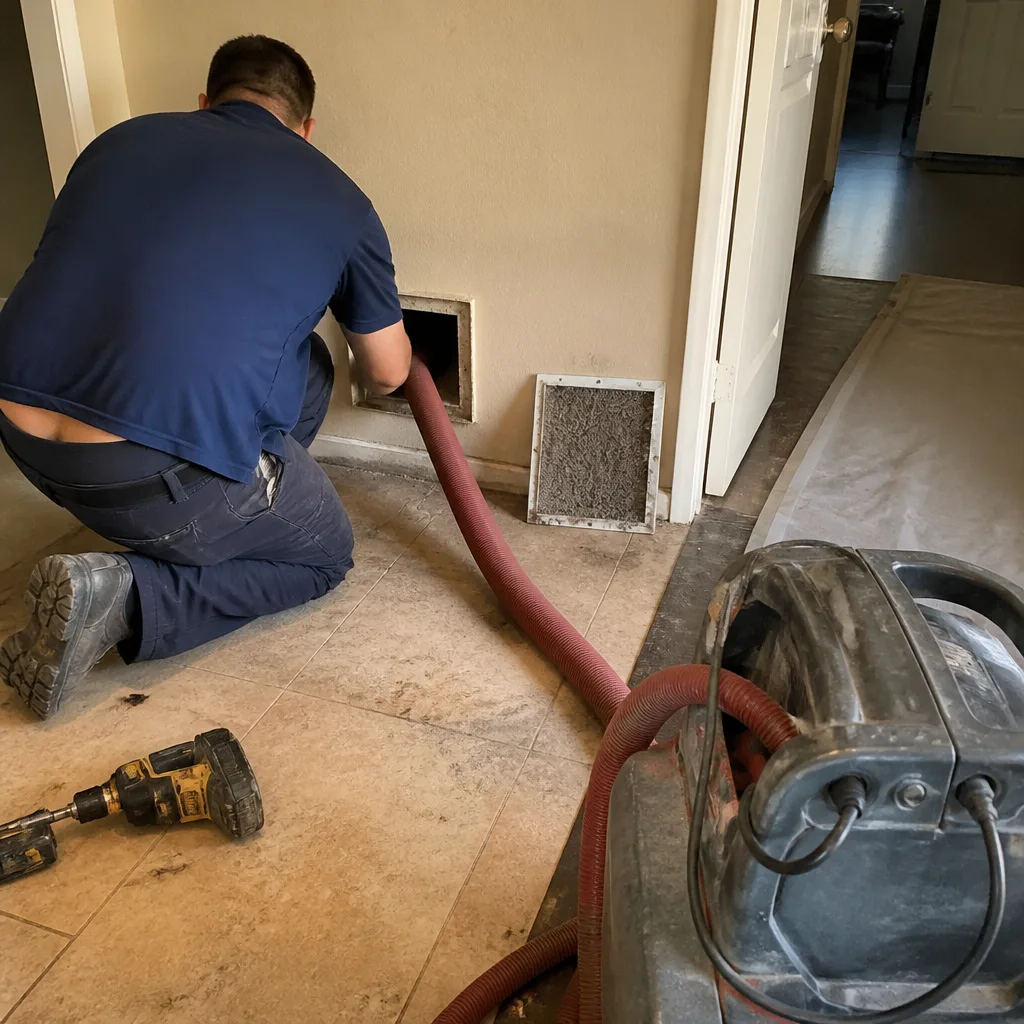 Before
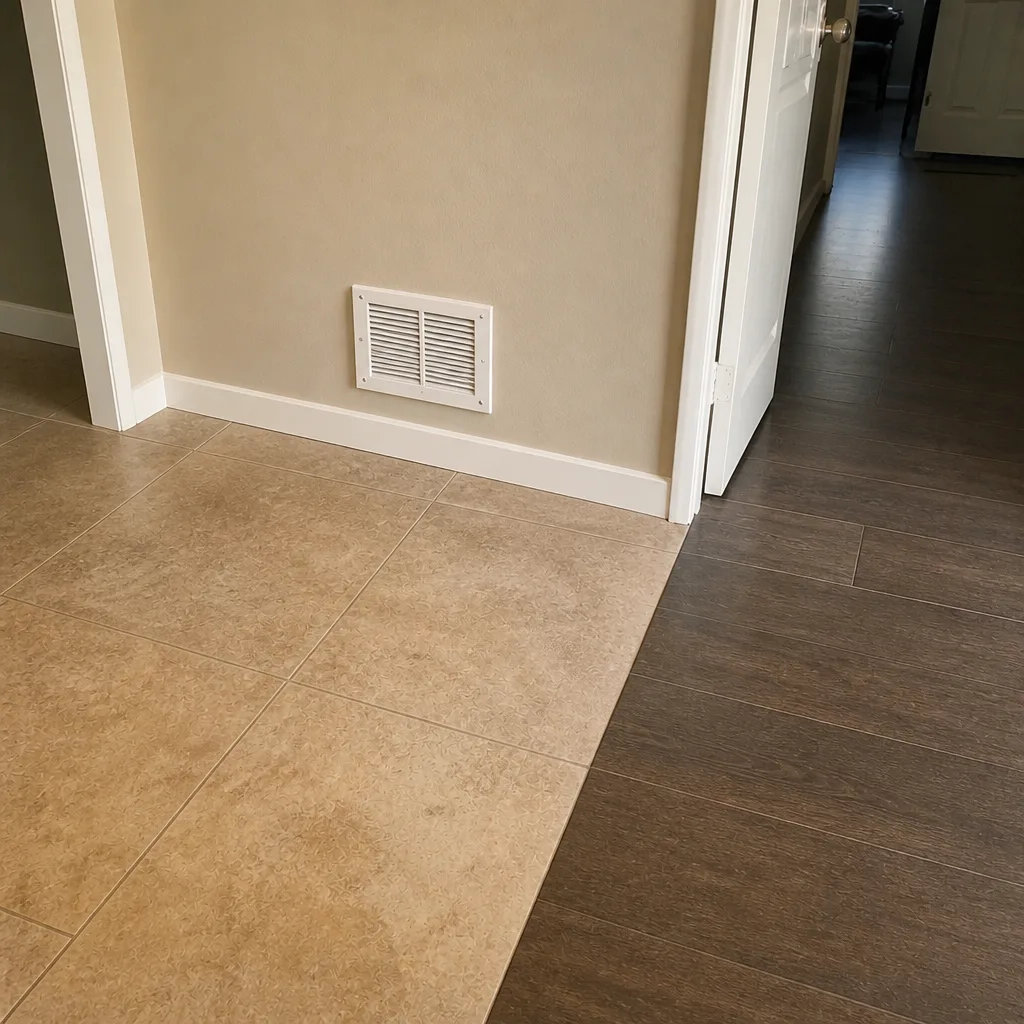 After