
Last updated November 4, 2026
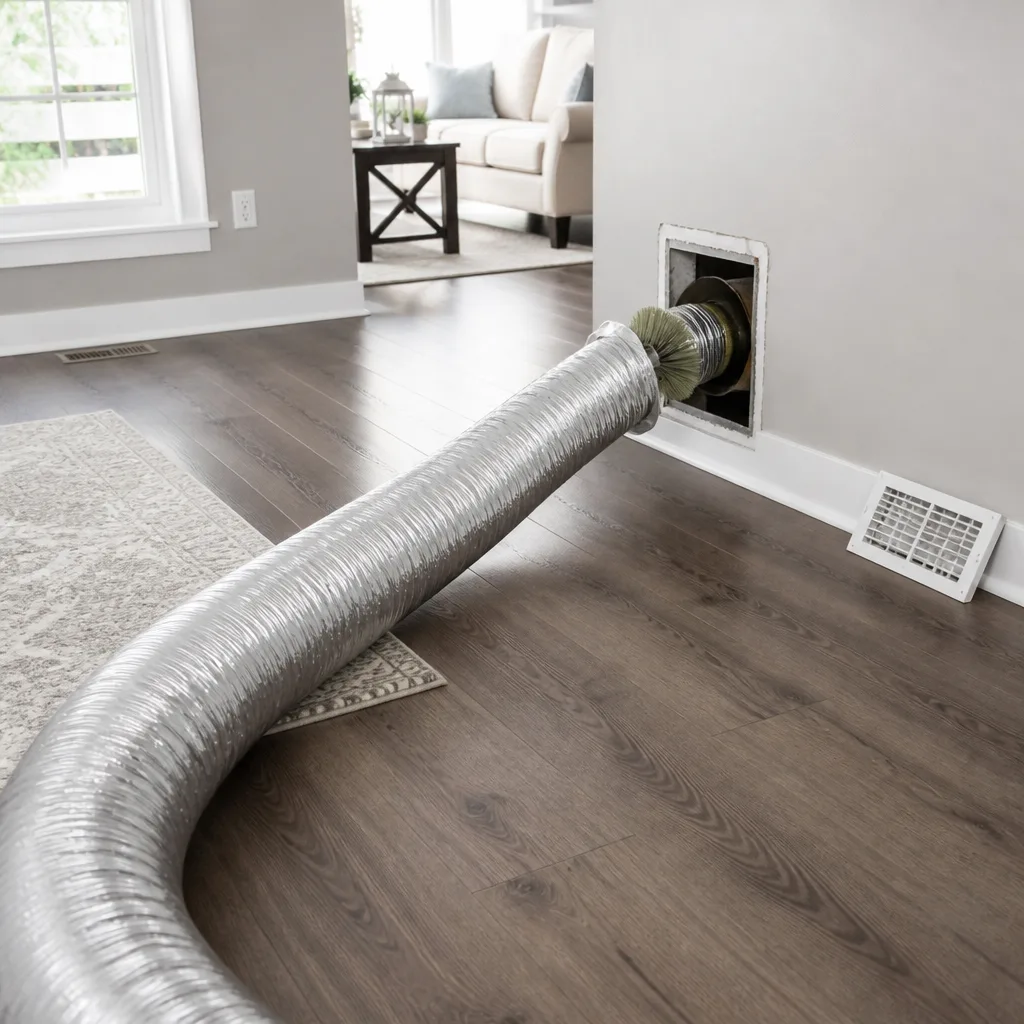 Whole-home duct cleaning
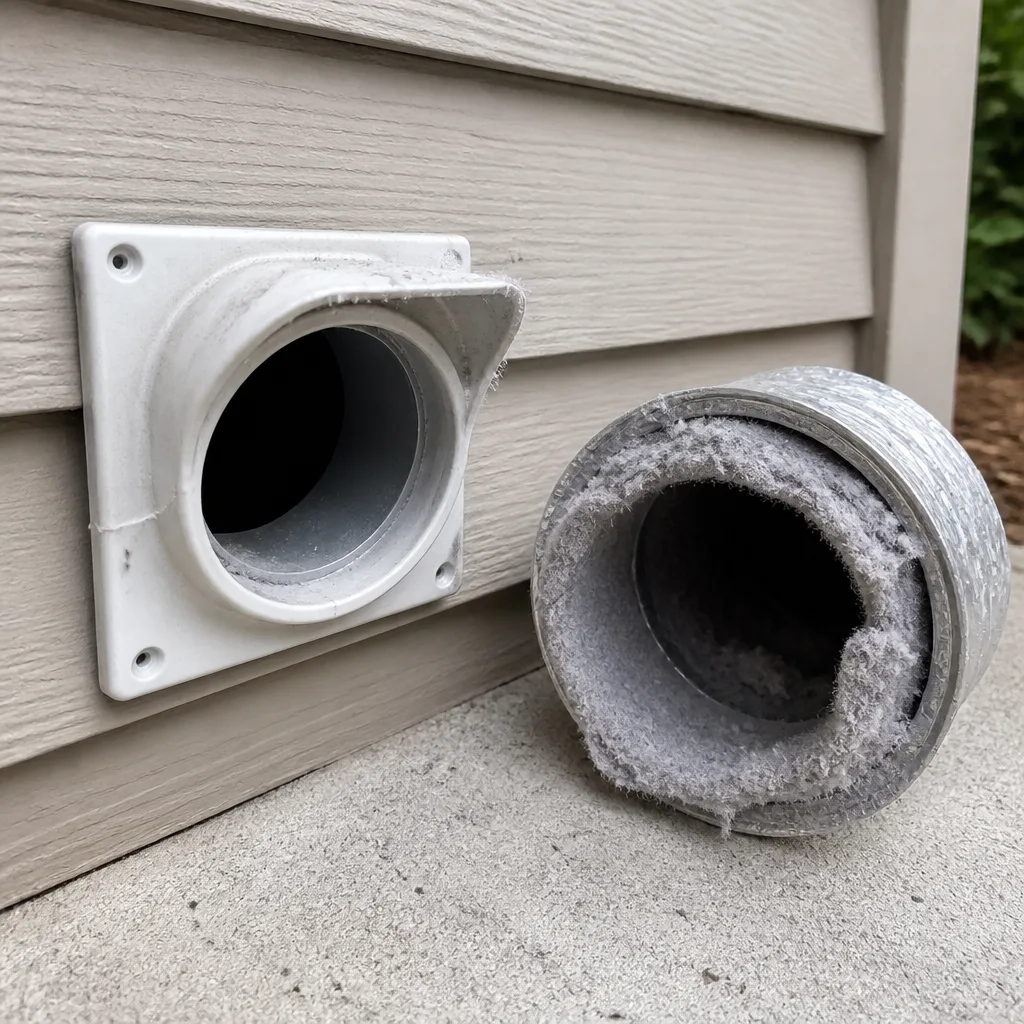 Dryer vent cleaning
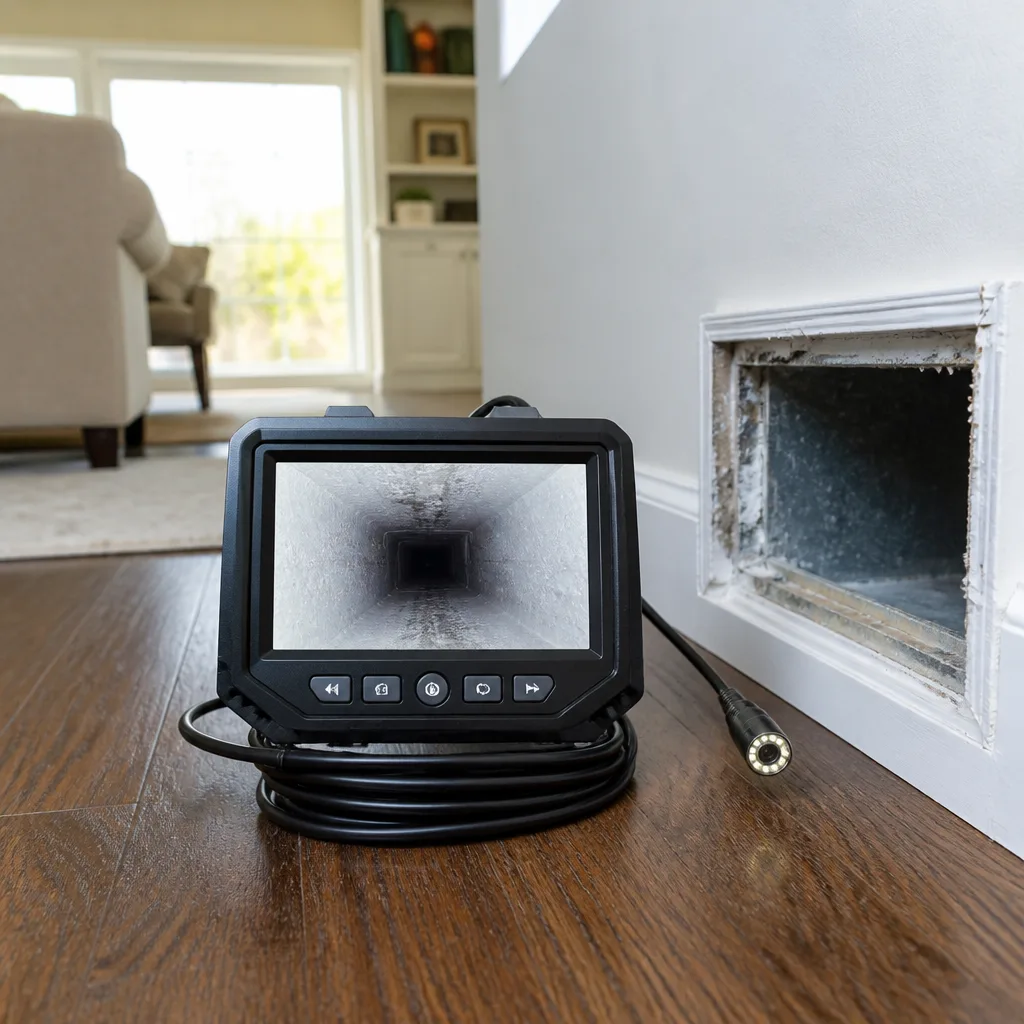 Camera inspection
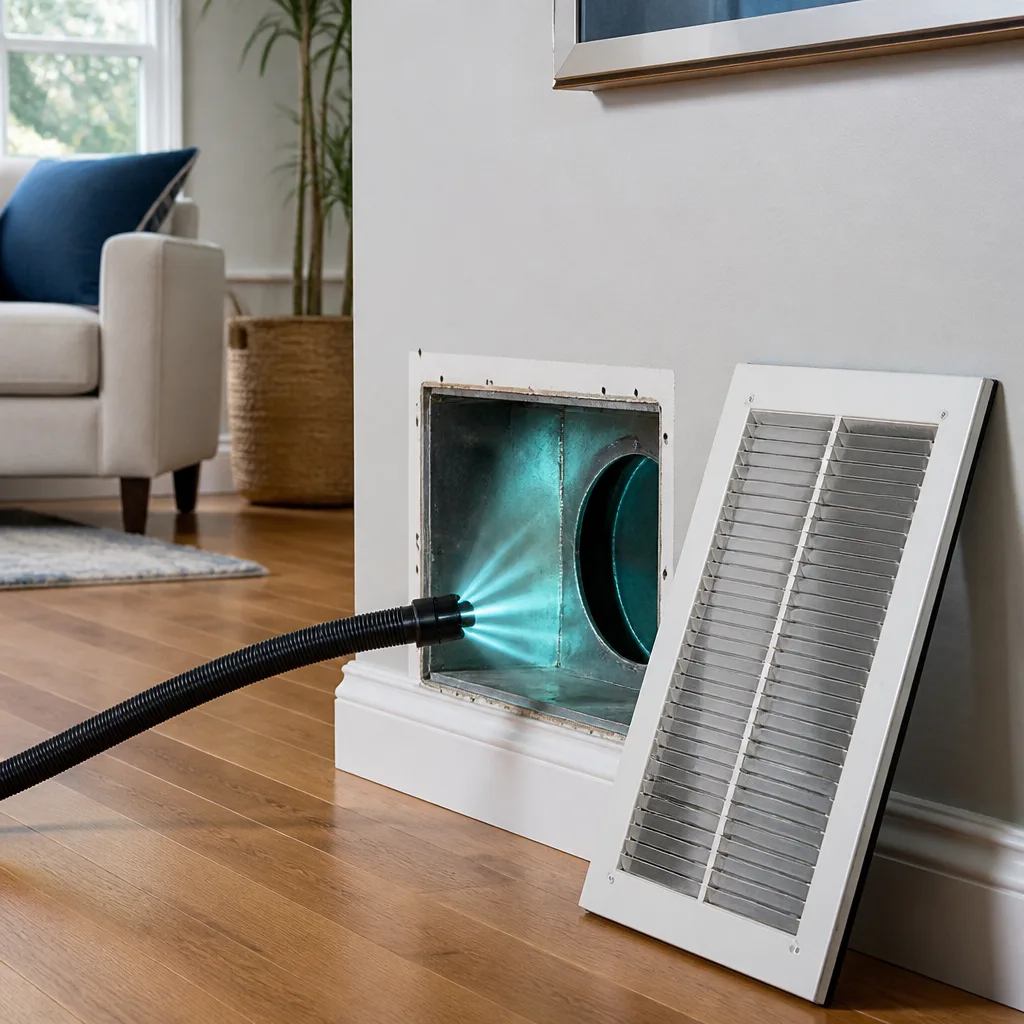 Sanitizing & deodorizing
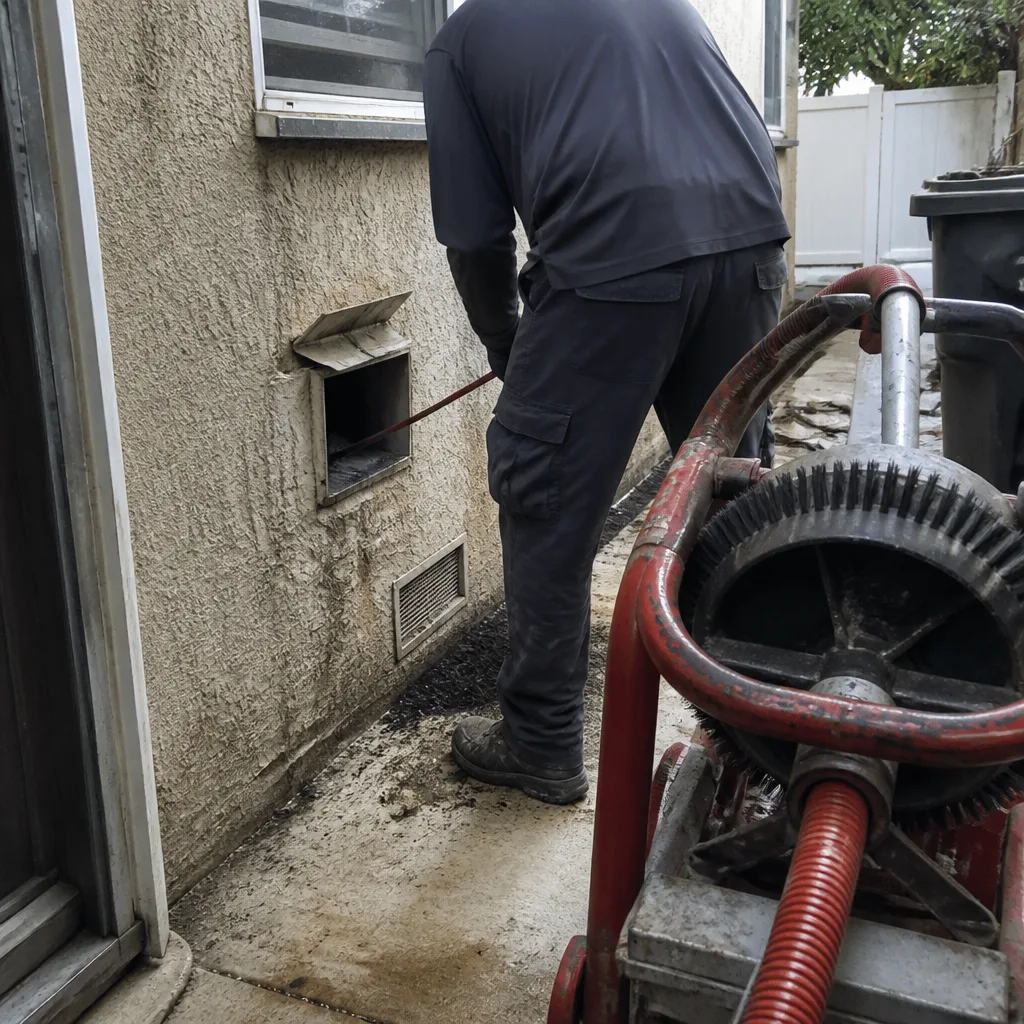
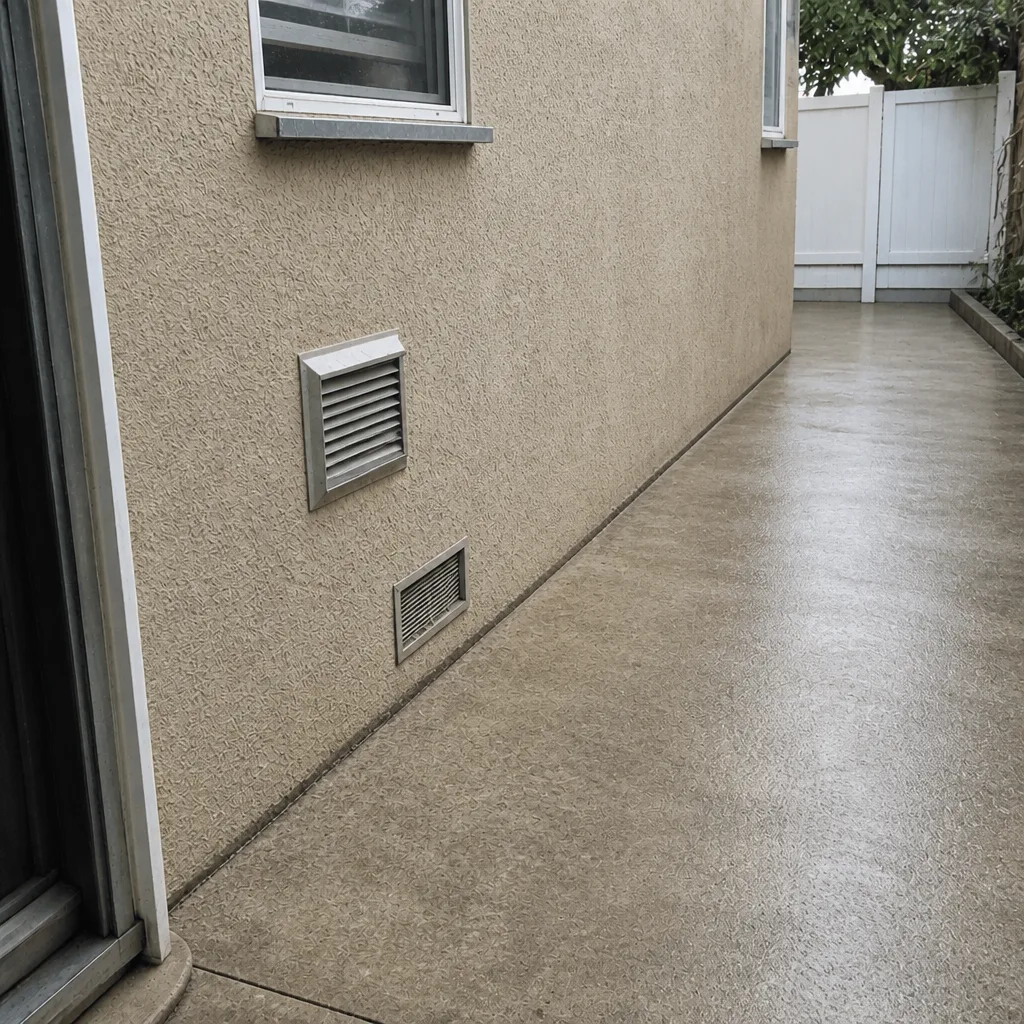
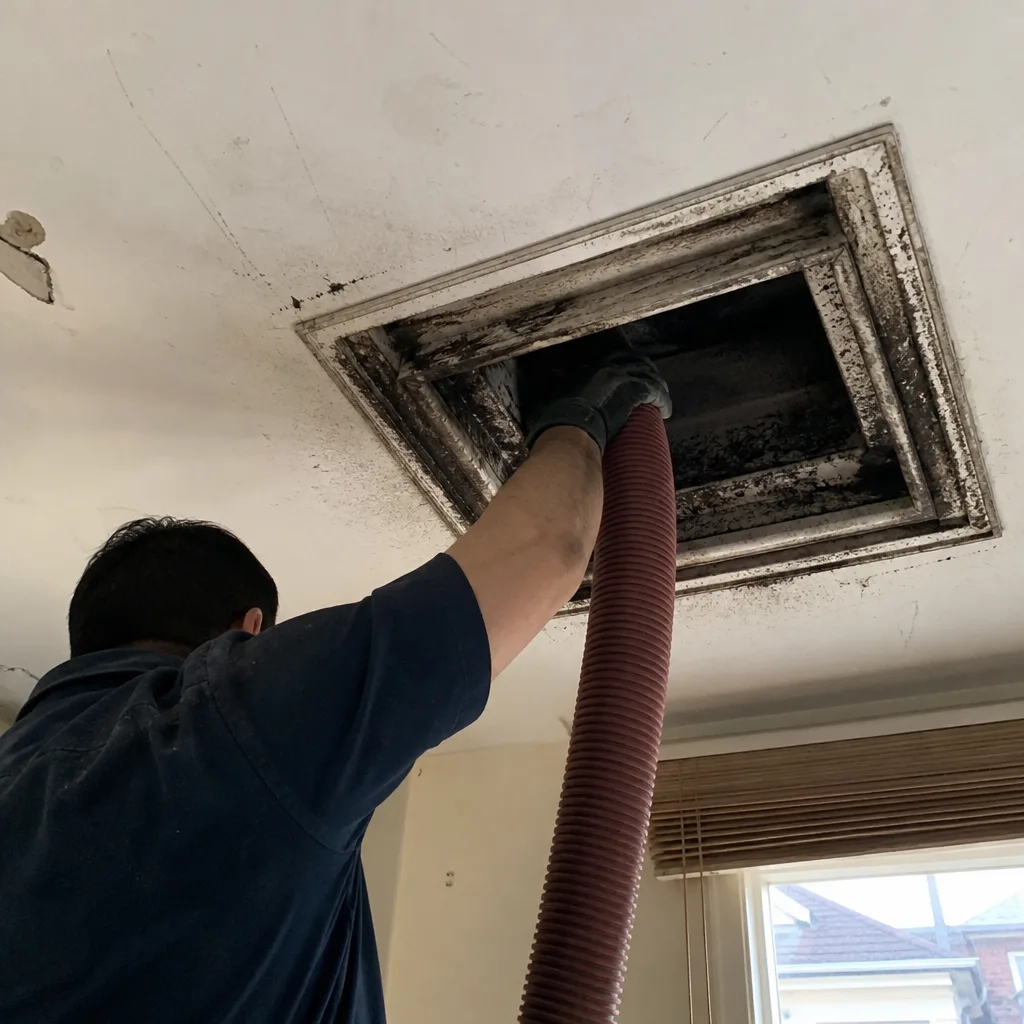
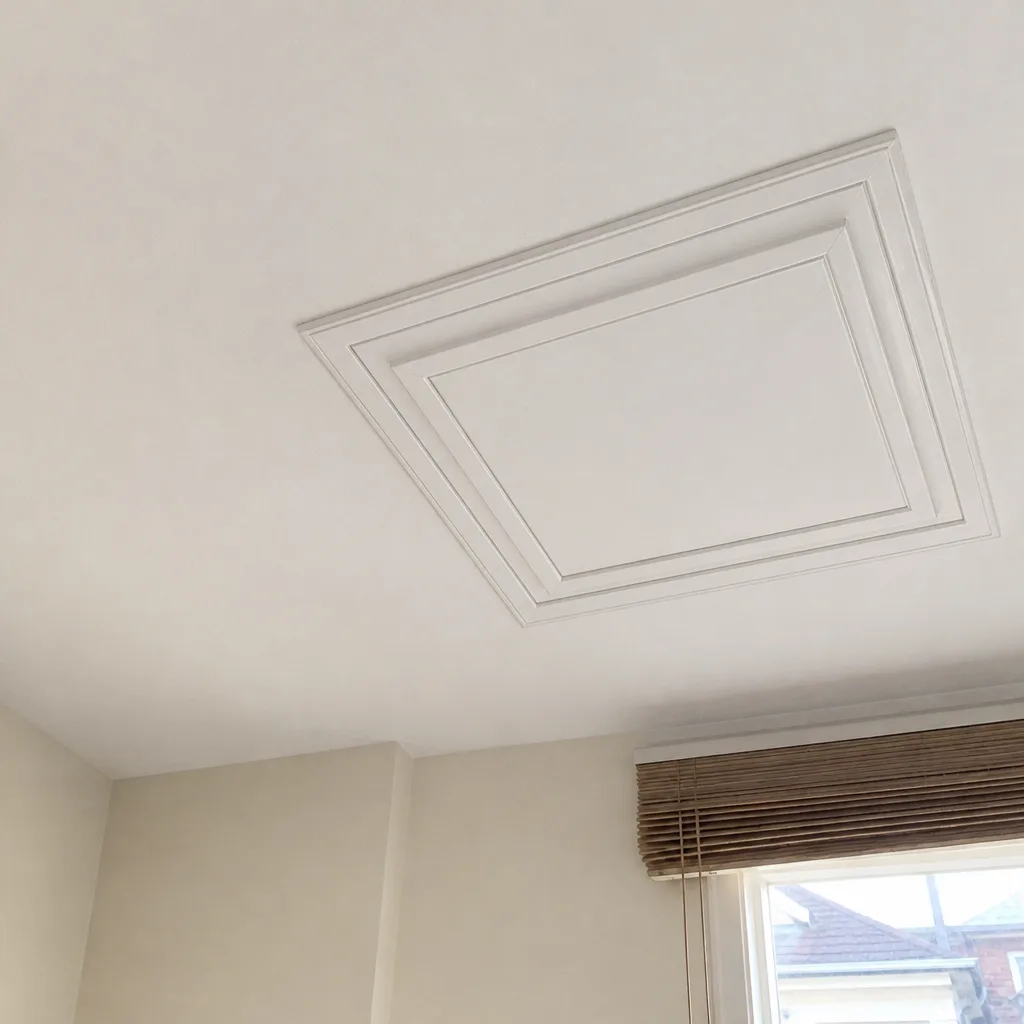
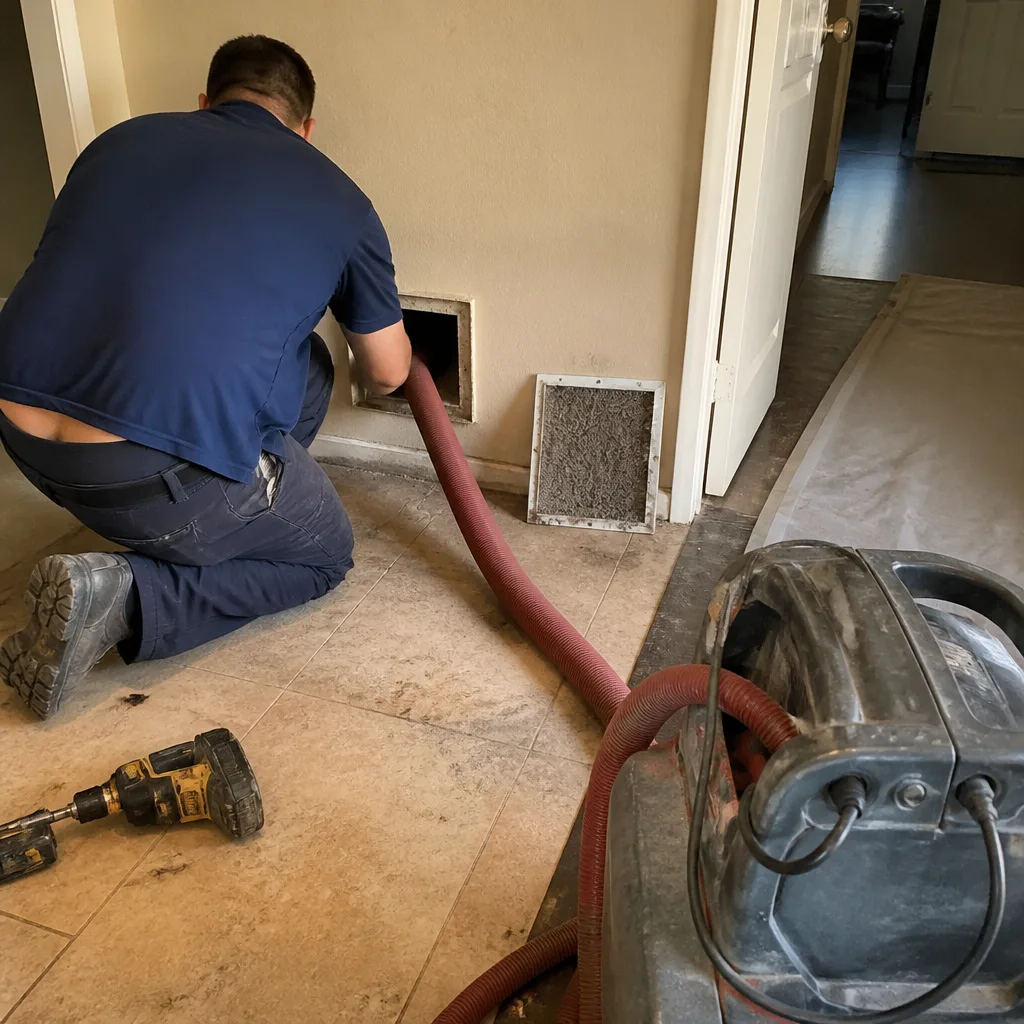
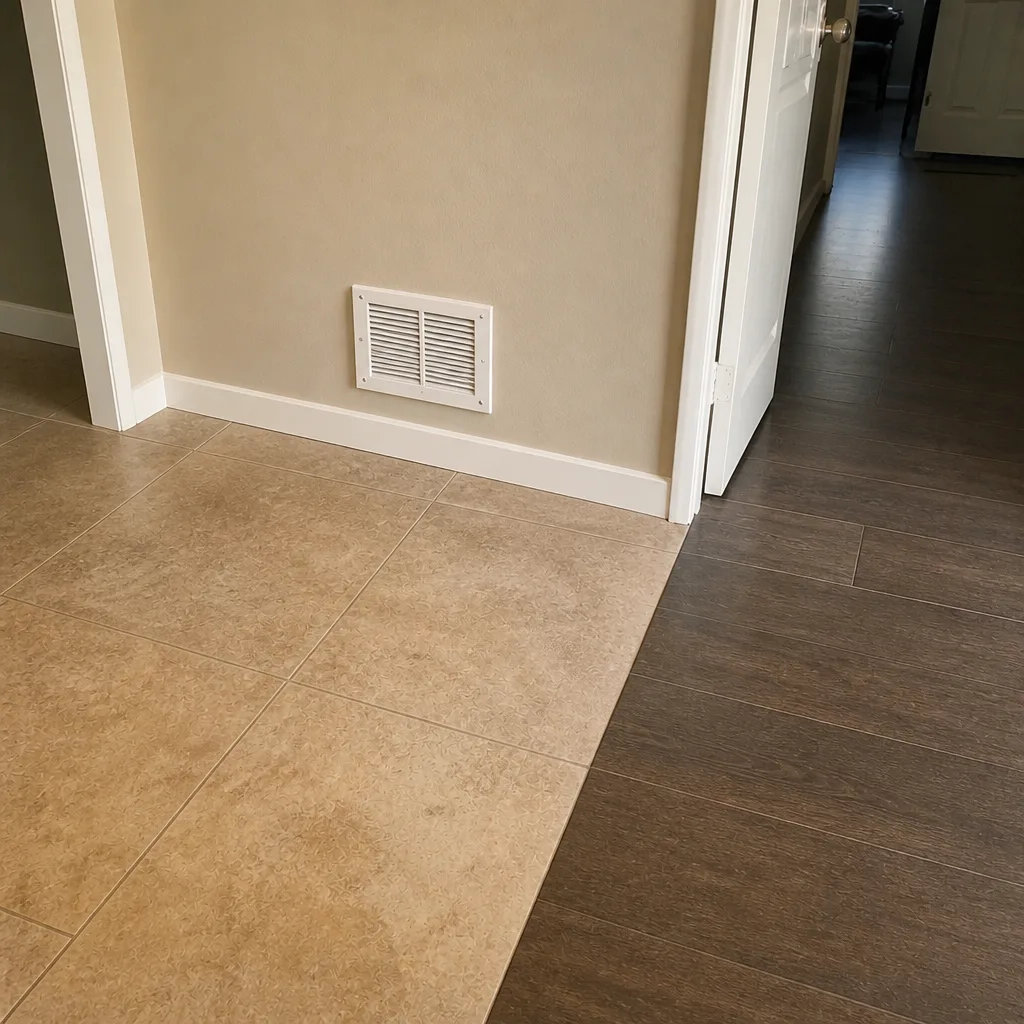
Whole-system duct and dryer vent check with before-and-after photos - you see exactly what came out of your vents
That "$99 whole-house special" is a bait ad - the real number appears once they are in your hallway, or the "clean" is a shop-vac at the register. We photograph the inside of your ducts before and after instead.
The Complete Guide to Air Duct Cleaning in Hawthorne
Most Hawthorne homeowners don’t have a generic dust problem. They have a specific contamination problem shaped by where this city sits: less than two miles from one of the busiest cargo airports in North America, in a basin where the marine layer rolls in most evenings and holds fine particulate low over the streets. The ultrafine soot and tire-wear particles that drift inland from LAX don’t behave like ordinary household dust. They’re finer. They’re stickier. And once they settle inside your ductwork, they bond with the humidity that defines life in the South Bay. This guide explains what actually accumulates in Hawthorne ducts, why the standard “blow-and-go” cleaning leaves most of it behind, and how to match the right cleaning method to the right contamination type. If you’re trying to figure out whether air duct cleaning is worth paying for, or why your system seems dusty again months after a cleaning, this is the place to start.
Styles & brands we work with
- Whole-home duct cleaning
- Dryer vent cleaning
- Camera inspection
- Sanitizing & deodorizing
Quick Answer
Air duct cleaning in Hawthorne typically costs $350 to $850 for a full system, depending on home size, number of returns, and contamination level. The work should follow source-removal standards: removing debris from the ducts themselves, not just loosening it with a brush and hoping it exits the registers. Done properly, a cleaning takes 3 to 6 hours and includes post-cleaning verification, not just a receipt.
Table of Contents
- What Actually Gets Into Hawthorne Ducts
- Source Removal vs. Blow-and-Go: What Each Leaves Behind
- How Hawthorne’s Housing Stock Changes the Protocol
- The Cleaning Process, Step by Step
- What a Post-Cleaning Inspection Should Show
- Humidity, the Marine Layer, and Your Ducts
- When Cleaning Isn’t Enough: Sealing and Replacement
- Dryer Vents: A Separate Risk
- Common Mistakes to Avoid
- When to Call a Professional
- Frequently Asked Questions
- The Bottom Line
What Actually Gets Into Hawthorne Ducts
Every city has dust. Hawthorne’s dust is distinctive, and it helps to understand what you’re dealing with before anyone hooks up a vacuum.
First, there’s airport particulate. LAX sits just to the west, and the flight paths over the city mean a constant, low-level drift of ultrafine particles: jet exhaust residue, tire and brake wear from runway traffic, and carbon soot. These particles are far smaller than the lint and pet hair people picture when they think of duct dust. They’re in the sub-micron range, which means they travel deep into the respiratory system and, relevant to this guide, they cling to surfaces that larger debris bounces off. When this particulate mixes with the South Bay’s humid evening air, it forms a fine, adherent film on fan blades, coil fins, and the interior walls of rigid ductwork.
Second, there’s construction dust. Hawthorne’s housing stock spans decades, and the city has seen steady infill development, remodels, and multi-unit construction. Drywall dust, plaster particles, and concrete fines all settle in duct systems during any project that disturbs walls or floors. Unlike lint, this dust is heavy and abrasive. It settles in low points, especially in return ducts that run under slab or through crawl spaces.
Third, there’s biological material. The marine layer means the relative humidity inside unconditioned ducts in Hawthorne can sit above 60% for hours at a time, night after night. That moisture supports the germination of mold spores, particularly in duct insulation and in dust that has already accumulated. You may not have visible mold colonies, but the dust matrix itself can hold enough moisture to support biological activity that contributes to allergic responses.
And fourth, there’s rodent and pest debris. Older neighborhoods in Hawthorne, including Hawthorne‘s post-war housing tracts, are familiar with roof rats and mice. They travel through attics, crawl spaces, and occasionally through gaps in duct runs. Their droppings, urine, and nesting material end up inside ducts more often than most homeowners want to think about. This isn’t a dust problem. It’s a contamination problem that demands a different level of cleaning rigor.
The key point: a homeowner in Hawthorne doesn’t usually need a generic cleaning. They need the specific method that matches what’s actually inside their system. In our experience, the families who call us after a disappointing cleaning are almost always the ones whose contamination type didn’t match the method the previous contractor used.
Source Removal vs. Blow-and-Go: What Each Leaves Behind
The duct cleaning industry splits into two broad approaches, and the difference matters more in Hawthorne than it does in most places because of how fine and adherent the local particulate is.
The Blow-and-Go Method
The blow-and-go approach is what gives the industry its bad reputation. It typically involves a technician accessing the system from the return side, inserting a compressed-air whip or brush, and loosening material so the system’s own blower can push it toward the supply registers. A vacuum might hold at one return. There’s no containment of the debris. There’s no isolation of the section being cleaned. And critically, fine particles like LAX soot don’t behave the way coarse dust does under this treatment. They get stirred up, they resettle, and they can be redistributed into rooms rather than removed from the house.
What blow-and-go leaves behind:
- Fine particulate coating on duct walls that resettles within weeks
- Debris pushed deeper into branch runs rather than extracted
- No cleaning of the return side beyond the immediate access point
- No documentation of what was actually removed
- Potential damage from aggressive agitation, especially in flex duct
Source Removal
Source removal is the standard set by NADCA, the National Air Duct Cleaners Association. The principle is straightforward: every section of the duct system is put under negative pressure with a professional vacuum, then mechanically agitated with rotating brushes or air whips so debris is dislodged and pulled directly into containment. The key difference is the vacuum. In source removal, the entire system is isolated section by section and held under suction while agitation happens. Nothing exits into the living space. Everything leaves through the vacuum and into a HEPA-filtered collection unit.
This is where equipment matters. The Duct Cleaning Hawthorne team runs Rotobrush and Nikro extraction systems, the kind of negative-air machines and brush assemblies used in commercial and remediation settings. These aren’t consumer-grade shop vacs with a long hose attached. They maintain the static pressure needed to pull sub-micron particulate out of duct walls, which is exactly what a home under LAX flight paths needs. We also use Abatement Technologies equipment on contamination-sensitive jobs, because when the issue is rodent debris or suspected mold in the duct environment, the containment and HEPA exhaust standards are different than for routine dust.
What source removal delivers:
- Debris captured and removed from the building, not relocated within it
- Access openings cut strategically to allow cleaning of every branch run
- Verifiable results: you can look inside the access points after the work
- Documentation of what was done, section by section
- No redistribution of fine particulate into rooms
The honest reality is that source removal costs more than blow-and-go. The equipment is heavier, the training is more rigorous, and the labor adds up. In Hawthorne, where the fine particulate problem is worse than in many surrounding communities, the difference between these two methods is the difference between solving the problem and temporarily shifting it around.
How Hawthorne’s Housing Stock Changes the Protocol
Hawthorne’s residential landscape is a mix of eras, and the age of your home determines what kind of duct system you likely have. That, in turn, determines what the cleaning protocol should look like.
Post-War Tract Homes: Rigid Sheet Metal
A large share of Hawthorne’s single-family housing stock dates from the 1950s through the 1970s. Many of these homes were built with rigid sheet metal ducting, often rectangular trunk lines with round branch runs. The metal itself is durable. When cleaned correctly with a rotating brush under negative pressure, it responds well. The challenge is the age of the system. Fifty-year-old ductwork has joints that have loosened, tape that has dried out, and in some cases sections that have been crushed or separated entirely. A cleaning on this type of system must include a careful inspection of duct condition, because aggressive brushing can widen gaps that are already failing. The good news: rigid metal is the most straightforward material to clean completely, and when the system is still intact, source removal leaves it genuinely clean.
Newer Construction and Multi-Unit Buildings: Flex Duct
Hawthorne’s later construction, including many multi-unit residential buildings, relied heavily on flexible duct. Flex duct is a wire coil wrapped in plastic and insulation, and it’s part of why modern HVAC installation is faster and cheaper. It’s also far more fragile than sheet metal. A rotating metal brush that’s safe in a rigid system can tear the inner liner of flex duct. The correct protocol for flex is lower-aggression agitation: air whips at controlled pressure, or soft brush heads designed for flexible duct. Cleaning flex also requires more access points, because you cannot run a long whip through an entire run without losing effective agitation. Each section has to be cleaned from a manageable access opening.
The point is that “duct cleaning” isn’t one procedure. The material in your ceiling matters. Any company that shows up and uses the same tool on every home hasn’t asked the basic questions about what your house is made of. When you call for estimates in Hawthorne, the first thing a competent contractor should ask is what kind of system you have, and whether you know the duct material. If they don’t ask, they’re not planning to treat it differently.
The Cleaning Process, Step by Step
Here’s what a complete, source-removal cleaning looks like in a Hawthorne home. Not every job follows this sequence exactly, but it should run something like this.
- System inspection. The technician walks the property, checks the return and supply configuration, identifies the trunk and branch layout, and looks at the furnace or air handler. This is when the duct material gets identified and the access strategy gets planned.
- Seal off the registers. Supply registers and returns are covered except for the sections being worked. This prevents the vacuum from pulling air through areas that haven’t been cleaned yet and keeps the agitation contained.
- Cut access openings. Strategic access points are created in the trunk line, typically near the air handler and at the end of long runs. These openings are what allow the vacuum hose and agitation tools to reach every section. Without them, the cleaning is guesswork.
- Connect the negative-air machine. The vacuum system, typically a large HEPA-filtered negative-air unit, is connected to one access point. The system goes under negative pressure, which means air is being pulled into the vacuum and no debris can escape into the home.
- Agitate each section. Starting with the returns and moving through the supply side, each branch and trunk section is agitated while under suction. For rigid metal, this means a rotating brush. For flex, it means controlled air whips or soft heads. The agitation dislodges everything from fine soot to construction debris, and the vacuum pulls it directly into containment.
- Clean the air handler or furnace. The blower assembly, evaporator coil if accessible, and the interior surfaces of the equipment cabinet get cleaned. This is the step that separates a complete cleaning from a duct-only job. If the coil is loaded with particulate, cleaning the ducts alone leaves the source of the problem in place.
- Clean the register covers and return grilles. Simple but often skipped. The visible surfaces get wiped down and cleaned with Guardsman products so the finished system matches the freshly cleaned runs behind them.
- Seal all access openings. Every access point is closed with a proper patching method, restoring the system’s integrity. The registers are uncovered and re-seated.
- Verification. The technician inspects the work through the access points before sealing, confirms airflow at each register, and reviews the process with you. If a before-and-after inspection is part of the job, this is when you see it.
A job like this on a typical Hawthorne single-family home takes between 3 and 6 hours. If someone quotes you an hour and a half, they are not doing source removal. They are blowing air through your system and calling it done.
What a Post-Cleaning Inspection Should Show
This is where most homeowners get shortchanged. The before-and-after photo has become the industry’s default proof point, but a photo of a duct interior taken from a different angle, with different lighting, after the work is done proves very little. A thorough verification looks at measurable things.
First, the airflow delta. Before cleaning, the technician should measure airflow at the supply registers and note any that are significantly below the others. After cleaning, the same registers should show a measurable improvement if the system was actually restricted. A duct system that was moderately dirty often moves more air after cleaning because the buildup that was increasing static pressure has been removed. If no one measured anything, you’re taking it on faith that something changed.
Second, the visual access check. A legitimate source-removal job includes access openings cut specifically so you can see the interior of the trunk line before it’s sealed. Ask to look inside. A clean metal duct should be visibly clean: no dust film, no debris in the corners, no coating on the walls. If the technician is reluctant to let you see the interior before closing the access points, you should wonder what’s in there.
Third, the register check. Pull off a supply register and reach into the first few inches of the branch run with a clean white cloth or a phone camera. If it comes back loaded with material, the run wasn’t cleaned. This is the simplest verification a homeowner can do, and it catches most superficial work.
Fourth, the coil. If the air handler has an accessible evaporator coil, ask what it looked like and what was done with it. In Hawthorne’s humid nights, coils collect a damp film of particulate. If the coil wasn’t cleaned, the system can start re-contaminating the ducts within weeks.
What should not be your verification is a receipt with a checkmark. The beauty of source removal is that you can see the result. Don’t take anyone’s word for it.
Humidity, the Marine Layer, and Your Ducts
The South Bay’s evening marine layer defines the climate in Hawthorne, and it plays a bigger role in duct condition than most contractors acknowledge. The moist air that pours in off the Pacific each evening and lingers into the morning means that unconditioned spaces, attics, crawl spaces, and the insides of duct runs cycle through humidity changes every single day.
That cycles matters because it changes how dust behaves. In a dry climate, dust stays loose. It blows around, settles, and can often be removed with relatively simple methods. In Hawthorne’s humidity cycle, dust that settles in a duct gets dampened at night and dries during the day. That repeated wet-dry cycle bonds the material to duct surfaces. Fine particulate that would otherwise sit as a loose layer instead forms a thin crust that requires real agitation to remove. The same humidity that makes the particulate stick also makes it a hospitable environment for microbial growth if organic material is present.
This is one of the reasons equipment quality matters so much in Hawthorne. A consumer-grade vacuum pulling air through an HVAC system is not generating the negative pressure or the agitation force needed to remove bonded material. Professional extraction systems are designed for exactly this kind of contamination: particulate that has been sitting in a humid environment and adhered to the substrate.
There’s also a practical home-management angle. If your home in Hawthorne has ducts running through an unconditioned attic and those ducts aren’t well insulated, the humid night air condenses on the colder duct surfaces during the shoulder months. You’ll sometimes see water staining on ceiling registers or smell a musty odor when the system first starts. Cleaning the ducts addresses the contamination that has already formed, but the root cause is the humidity interaction with the system design. This is where a conversation about sealing, insulation, or even a whole-home humidity control solution from Aprilaire becomes part of the same visit. We stock and install air quality components, including from Honeywell and Aprilaire, because the cleaning and the ongoing air quality are connected. You can’t clean your way out of a humidity problem, but you can clean the system and then address the conditions that caused the buildup.
When Cleaning Isn’t Enough: Sealing and Replacement
A cleaning is the right call when the duct system is structurally sound and the contamination is confined to the interior surfaces. Sometimes, the system isn’t sound. Sometimes the ducts themselves are the problem.
In older Hawthorne homes, particularly the post-war single-family stock with original sheet metal ducting, the system may have gaps at joints, separated sections, crushed runs, or insulation that has deteriorated. Cleaning a system like that is like vacuuming a room with a broken window. You remove material, but the system keeps pulling contaminated air in from the attic or crawl space. If you can hear air whistling through the returns, or if some rooms in the house are always the wrong temperature, the issue may be leakage rather than dirt. That’s a repair conversation, not a cleaning conversation.
In newer construction with flex duct that has been damaged by rodents, water, or repeated poor installation, replacement may be the honest recommendation. Flex duct that has been crushed, torn, or saturated is not something a cleaning can fix. The material itself has failed. In these cases, the right move is to replace the damaged run and then clean the rest of the system.
Duct Cleaning Hawthorne handles this full scope: air duct cleaning, dryer vent work, and structural air duct repair. If your system needs a repair rather than a cleaning, the conversation doesn’t end with a referral to another company. The same technician who identifies the problem can often handle the fix. That matters because repair and cleaning are often needed together: the damaged section gets replaced or re-sealed, and the rest of the system gets cleaned under negative pressure so you’re not living with the contamination that’s been accumulating while the system leaked.
Dryer Vents: A Separate Risk
Dryer vents are not air ducts, and they need a different conversation. In Hawthorne, nearly every home has an in-unit washer and dryer, and the vent configuration varies widely: some run directly through an exterior wall, others climb a chase to the roof, and in some older apartment buildings, the path is convoluted enough that lint accumulates fast.
The risk is fire. Dryer lint is the kind of fine, dry combustible material that ignites easily, and a restricted vent means the dryer runs hotter while failing to clear its own exhaust. This isn’t a hypothetical concern to keep in the back of your mind. Dryer vent cleaning is a documented safety measure, and it’s one we treat with the same professionalism as the air duct work. The equipment is purpose-built: rotating brushes and high-pressure air for dryer runs, paired with a vacuum at the termination point.
A few signs your Hawthorne dryer vent needs attention: clothes take more than one cycle to dry, the exterior vent flap doesn’t open when the dryer is running, there’s a burning smell when you run a load, or the laundry room gets unusually warm and humid. Any of these means the airflow is restricted, and the longer it goes, the harder the dryer works and the hotter the exhaust path gets.
Because dryer vent cleaning is one of our three core services, it’s often something we handle on the same visit as an air duct cleaning. The duct system and the dryer vent are separate, but they share the same basic principle: air needs a clear path. When either one is restricted, the home pays for it in efficiency, comfort, or risk.
Common Mistakes to Avoid
- Hiring based on a per-vent coupon price. The old “whole house for $99” offer is a bait. The price you pay is the price on the written estimate, not the number in the ad. Ask what equipment they run and how many access points they cut. If the answer is vague, walk.
- Assuming the cheapest quote is the same service. A blow-and-go operator under a source-removal contractor by half. That doesn’t mean the expensive one is fair and the cheap one is bad, but it does mean the methods matter more than the price. Ask each one to describe their process step by step. The one who can’t explain it is the one who can’t do it.
- Skipping the inspection before the work starts. Any contractor who quotes a price without looking at the system is guessing. An estimate can be provided over the phone with the right information, but the written estimate should reflect your actual duct layout, material, and contamination. No inspection, no credibility.
- Cleaning ducts while ignoring the coil. In Hawthorne’s humid climate, the evaporator coil is often the dirtiest component in the system. If it’s not cleaned, the system re-contaminates the ducts shortly after the cleaning. Ask specifically whether the coil is part of the job.
- Accepting before-and-after photos as verification. Photos can show a visible difference, but they can also be angled and lit to flatter the result. Ask for the airflow measurements, the visual access check, and the chance to look inside the ducts before the access points are sealed.
- Cleaning ducts that are structurally damaged. If the system has separated joints, crushed runs, or failed flex duct, cleaning alone won’t solve the problem. The system will keep pulling contaminated air in from unconditioned spaces. A responsible contractor will tell you this before quoting a cleaning.
- Waiting for symptoms before cleaning. By the time you see dust blowing out of a register or smell something when the system kicks on, the buildup is significant. The homeowners who wait until they notice a problem often need more extensive work than those who clean on a regular schedule.
When to Call a Professional
Some signs don’t leave room for delay. If you see visible dust or debris being discharged from a supply register when the system runs, the ducts are loaded. If you smell a musty or burning odor every time the furnace or AC starts, something is trapped in the system or the equipment itself needs attention. If a rodent has been found in or around the home, the contamination concern moves beyond ordinary dust and into a category that needs professional containment. And if someone in the household has unexplained allergy symptoms that worsen at home and improve elsewhere, the air system is a reasonable place to start looking.
Duct Cleaning Hawthorne offers free estimates in Hawthorne. Call (855) 473-3133. We answer 24/7. Fast dispatch from 7am to 7pm, Sunday through Friday.
Frequently Asked Questions
A full system cleaning in Hawthorne typically runs from $350 to $850 for a single-family home, with multi-unit or heavily contaminated systems at the higher end. The price depends on the number of returns, the length of the runs, the duct material, and what has accumulated inside. The written estimate sets the final price, and it should be based on an inspection of your actual system, not a square-footage formula. Call (855) 473-3133 for a free estimate on your specific home.
A thorough source-removal cleaning on a typical Hawthorne home takes 3 to 6 hours. Anything shorter than that, unless your system is unusually small and simple, is probably not a complete job. The time goes into cutting access points, cleaning each branch run under negative pressure, cleaning the air handler and coil, and sealing everything back up. A company that promises to be done in an hour is not doing the same work.
The difference is almost always the method and the equipment. Blow-and-go operators use small vacuums and compressed air, skip the access points, and don’t clean the coil. The job takes an hour or two and the price reflects that. Source removal with professional equipment from manufacturers like Rotobrush and Nikro takes longer and requires more labor, which is why the honest price is higher. In Hawthorne’s humid particulate environment, the cheaper method often leaves the fine LAX soot in place. Ask each contractor to describe their process. The gap in price is the gap in what gets done.
Look inside before the access points are sealed. A legitimate source-removal job includes access openings cut for exactly this purpose. Shine a light into the trunk line after cleaning; it should be visibly clean, not just stirred up. Pull a register and reach into the branch run with a white cloth. Ask for the airflow measurements from before and after. If a contractor can’t show you any of this, you’re not being unreasonable to ask.
For a Hawthorne home under the LAX flight paths and the marine layer’s humidity cycle, every 3 to 5 years is a reasonable interval for most households. Homes with pets, current or recent construction dust, smokers, or a known rodent history may benefit from more frequent cleaning. The honest answer is that the interval depends on what’s accumulating, and the only way to know what’s accumulating is to look. If you haven’t had the system inspected in several years, the inspection itself is the starting point.
Newer construction in Hawthorne often has flex duct systems that collect construction dust from the build itself. Drywall dust, paint overspray, and debris from the final stages of construction end up in the ducts before you even move in. If the system was not cleaned after construction, your “new” home is circulating build debris. Flex duct also tends to collect material at the low points of the runs, where the wire coil creates natural traps. A post-construction cleaning is a legitimate reason to schedule work on a recently built home.
The Bottom Line
Air duct cleaning in Hawthorne is not a generic service with a fixed price and a fixed process. What makes sense for your home depends on the age and material of your ducts, whether you’re dealing with LAX particulate, construction dust, or rodent contamination, and whether your system is structurally sound enough to benefit from cleaning at all. The method matters more than the price: source removal with professional equipment actually removes material from the building, while the cheaper approach just moves it around. Ask for the process, the access points, and the verification. A contractor who can show you what was done is worth the call.
Written by the team at Duct Cleaning Hawthorne, serving Hawthorne since 2014.
See the difference
 Before
 After
 Before
 After
 Before
 After