
Last updated November 4, 2026
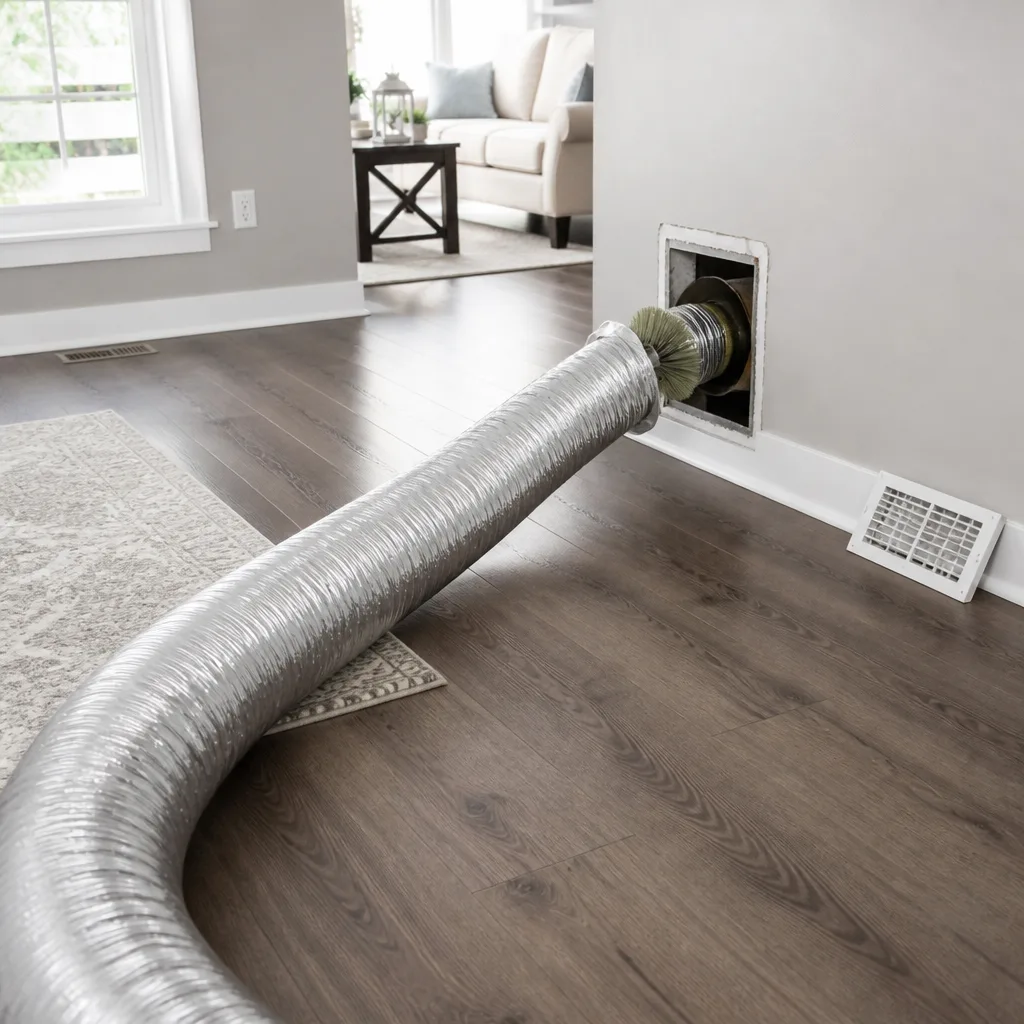 Whole-home duct cleaning
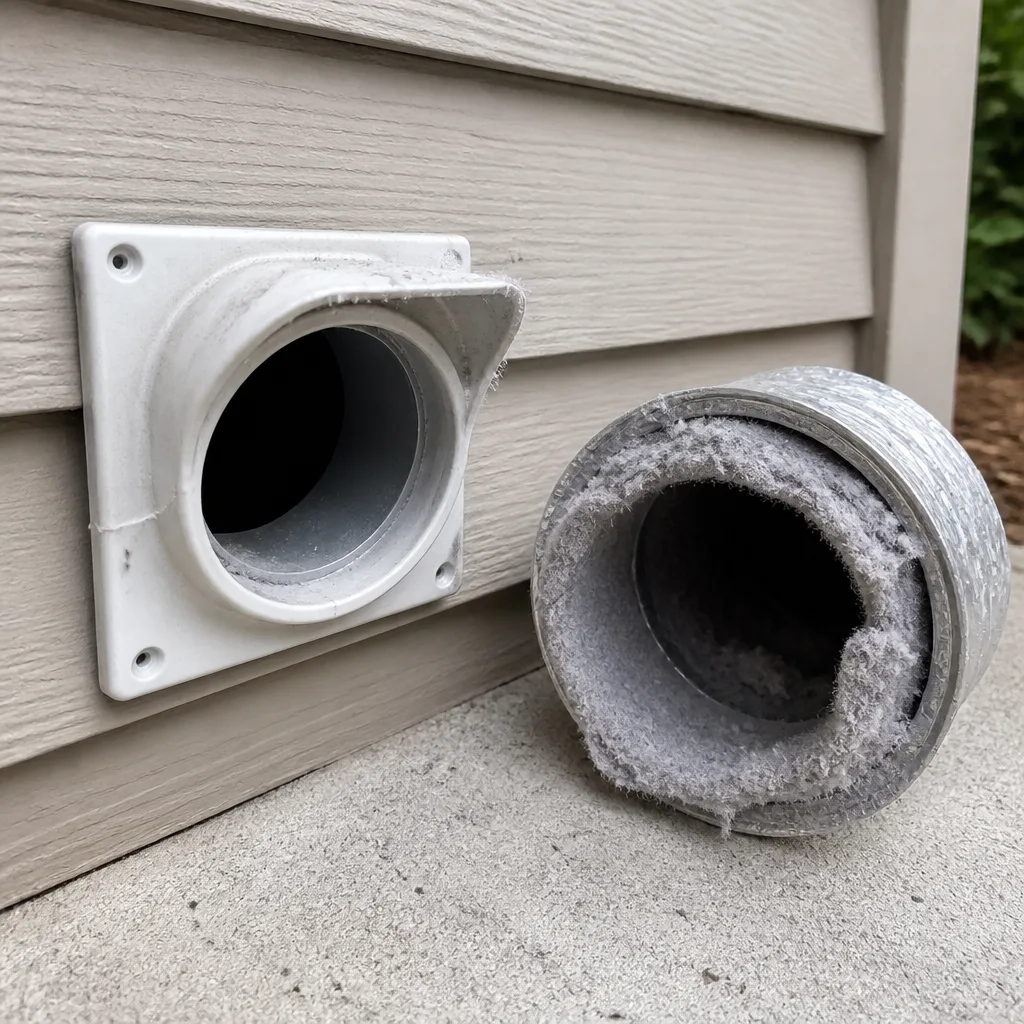 Dryer vent cleaning
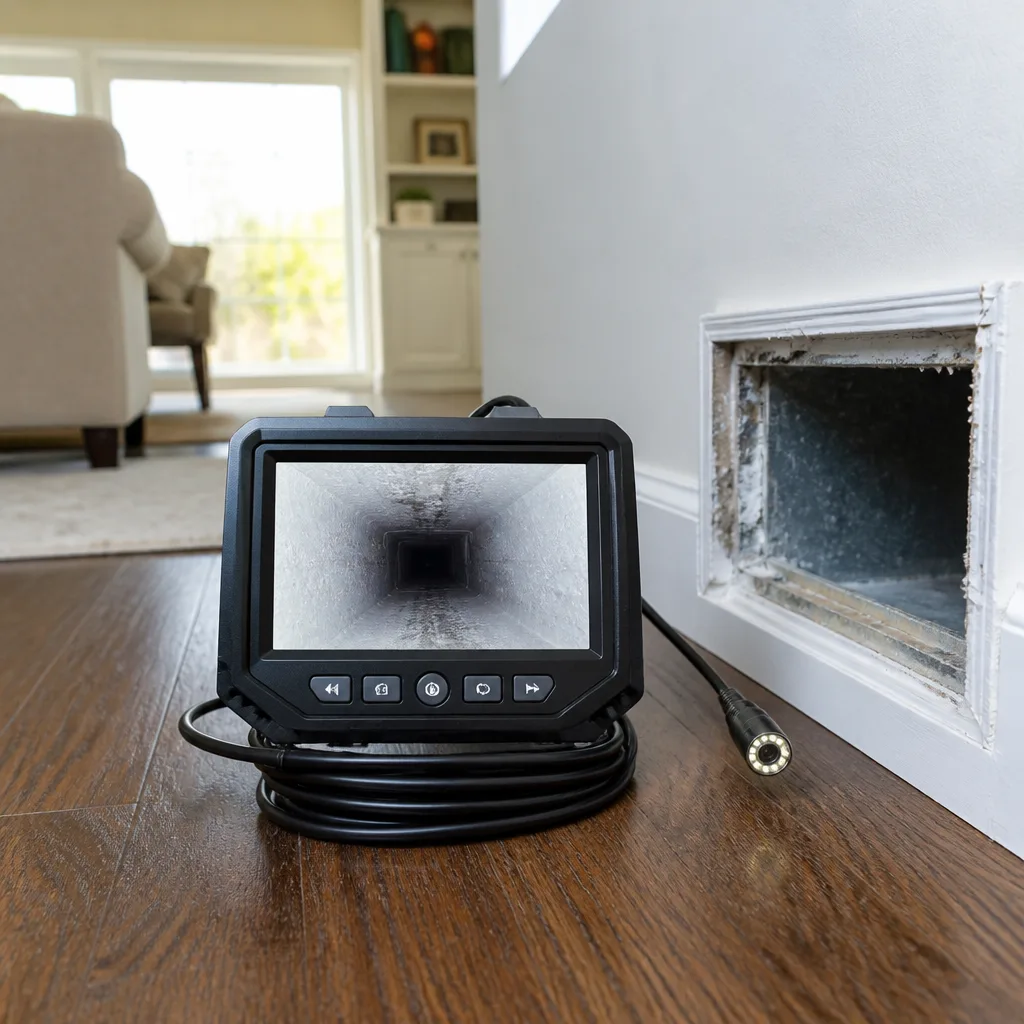 Camera inspection
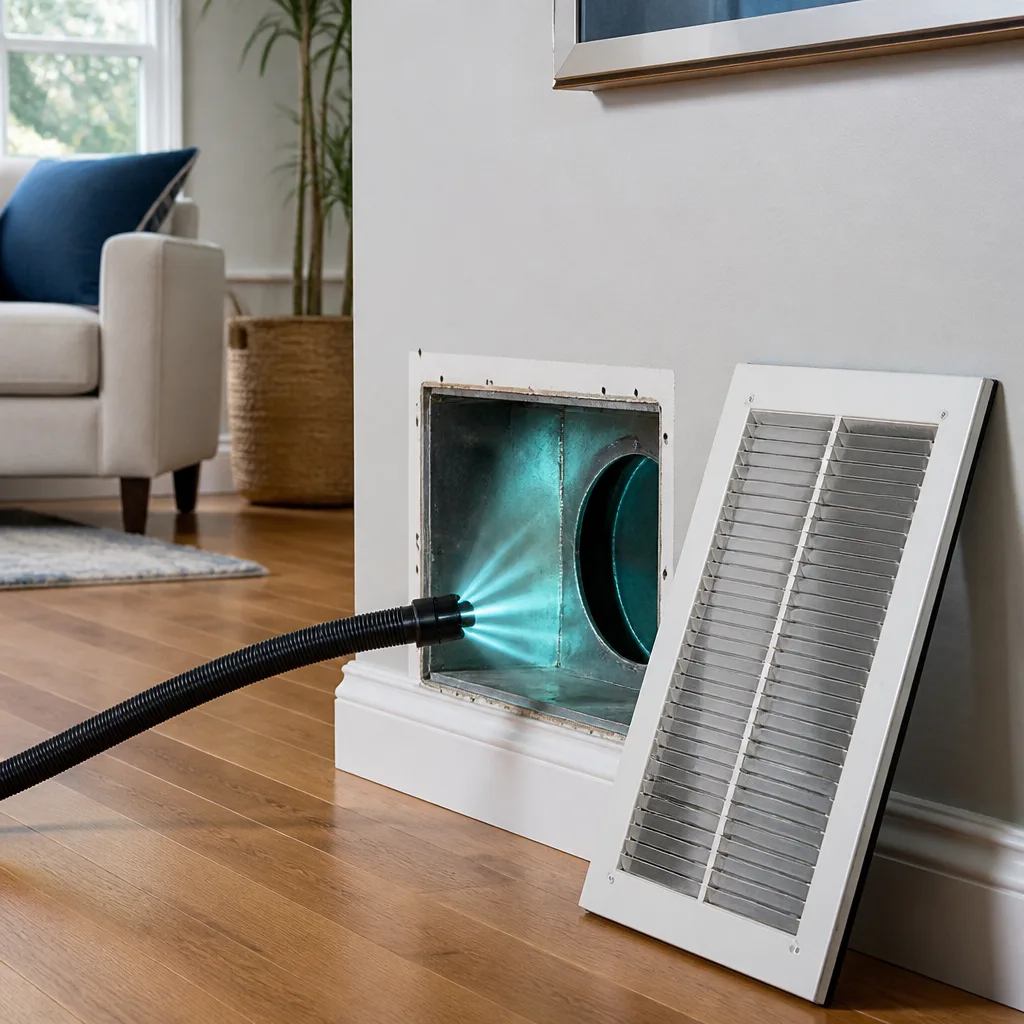 Sanitizing & deodorizing
Whole-system duct and dryer vent check with before-and-after photos - you see exactly what came out of your vents
That "$99 whole-house special" is a bait ad - the real number appears once they are in your hallway, or the "clean" is a shop-vac at the register. We photograph the inside of your ducts before and after instead.
Air Duct Cleaning Warning Signs: A Hawthorne Homeowner’s Reference Guide
Increased dust on furniture is the warning sign everyone mentions, and it’s also the last one to appear. By the time you’re wiping the coffee table twice a week, your ducts have been accumulating for years. The more reliable early indicators are physical and mechanical: what you can see at the registers, hear from the blower, and feel in the airflow. This guide walks Hawthorne homeowners through reading the duct system itself rather than reacting to symptoms after they’ve already compounded. You’ll learn to spot register discoloration patterns, assess airflow asymmetry between rooms, and identify equipment behavior that correlates with restricted ductwork. And because Hawthorne has its own set of environmental triggers – nearby construction, fumigation, wildfire smoke drift – we’ll cover what to check after each of those events, too.
Styles & brands we work with
- Whole-home duct cleaning
- Dryer vent cleaning
- Camera inspection
- Sanitizing & deodorizing
Quick Answer
The clearest air duct cleaning warning signs for a Hawthorne homeowner are visible register face discoloration, uneven airflow between rooms, a sudden jump in dust accumulation, and HVAC equipment that runs longer or cycles more often than it used to. Any combination of these means the ducts are carrying more than air. A visual inspection at the register and access point – using just a flashlight and your phone camera – will usually confirm whether the problem is surface dust, soot, or something fibrous that needs professional attention.
Table of Contents
- Reading Register Face Discoloration: What Different Debris Types Mean
- How to Visually Inspect Duct Interiors Without Special Tools
- Airflow Asymmetry: When One Room Won’t Cooperate
- HVAC Equipment Warning Signs That Point to Duct Blockage
- Post-Event Checks: Construction, Fumigation, and Wildfire Smoke
- When Ducts Talk: Noise Changes That Matter
- Common Mistakes to Avoid
- When to Call a Professional
- Frequently Asked Questions
- The Bottom Line
Reading Register Face Discoloration: What Different Debris Types Mean
Your registers are the most honest surface in the house. Air passes over them every single cycle, and whatever the ducts are carrying leaves a signature. The pattern of discoloration on a register face tells you more than a dust rag ever will. Here’s how to read what you’re seeing in Hawthorne homes.
Gray, even dust film. This is the most common and least alarming finding. It means ordinary household dust – skin cells, textile fibers, tracked-in soil – is cycling through the system. Every Hawthorne home has some of this. It becomes a problem when the film reappears within days of wiping it down, or when it’s thick enough to dampen a finger.
Black soot rings around the register perimeter. Soot rings are different from dust. They’re sticky, concentrated at the edges where airflow is slowest, and they don’t wipe off with a dry cloth. In Hawthorne, we see this after candle use, incense, or cooking with oil at high heat. But it can also point to a combustion issue in a gas appliance. If you see black rings forming on registers near the kitchen or a gas fireplace, note the pattern and have it evaluated.
Fibrous material hanging from register slats. This is one of the more overlooked indicators. If you see what looks like dryer lint, batting, or coarse fibers stuck to the register face, it’s often degraded duct liner or insulation breaking down inside the system. In older Hawthorne homes, particularly those built before HVAC sealing practices tightened up, internal liner material can separate over time and shed. This material shouldn’t be circulating. It needs to be identified and the duct interior addressed, not just wiped off the register.
Dark streaks along one register but not others. Asymmetrical staining matters. If one register in the house shows black or brown streaking while others look clean, the source is usually localized: a loose return pulling from a crawlspace, a disconnected boot, or moisture accumulation in that particular branch line. The stain is the clue; the location is the diagnosis.
Register discoloration is the front door to understanding your duct condition. It’s also proof that contaminants are moving through the air you breathe. Our air duct cleaning process begins with register and grille inspection for exactly this reason – you can’t clean what you haven’t identified.
How to Visually Inspect Duct Interiors Without Special Tools
You don’t need a borescope or an inspection camera to get a meaningful look inside your ducts. A good flashlight and the phone in your pocket will cover most of the ground. The key is knowing where to look and what constitutes a finding worth acting on.
Here’s the step-by-step method we recommend for Hawthorne homeowners:
- Remove a supply register in a central hallway or living room. Pick one that’s far from the air handler so you’re seeing accumulated conditions, not turbulence near the equipment. Lift it straight off – most Hawthorne registers are held by two screws or friction clips.
- Shine the flashlight parallel to the duct wall, not straight down. Side lighting casts shadows that reveal dust depth and texture. A thin, even dust coating is normal. Dust that sits in drifts or waves means it’s been building up.
- Take a photo with your phone aimed down the duct run. Use the flash. The photo gives you a frame of reference to compare against next season, and it’s useful if you ever want a professional opinion without someone walking the house first.
- Look for three specific conditions: dust deeper than the texture of the metal, moisture staining or rust streaks, and any visible fiber or insulation separation. Each points to a different root cause.
- Check the return side too. The return pulls unfiltered air from the living space. If it’s visibly dirty at the grille, the duct behind it is worse.
In our experience, the single most common finding in Hawthorne is a return duct that’s never been cleaned since the house was built. Supply ducts get some incidental filtration from the system filter. The return doesn’t. It’s the catch basin for everything that settles in the house.
This same visual method works for confirming whether a cleaning was done properly. After any duct cleaning, you should be able to repeat this inspection and see bare metal, not a dust veneer. That’s the standard we hold ourselves to at Duct Cleaning Hawthorne. Professional-grade extraction from Rotobrush and Nikro systems is designed to leave visible results you can verify yourself with a flashlight and camera.
Airflow Asymmetry: When One Room Won’t Cooperate
Before dust shows up on your shelves, airflow usually tells the story first. A room that’s consistently warmer in summer or cooler in winter – despite the thermostat saying everything’s fine – is one of the earliest duct blockage indicators available. And in Hawthorne’s mild but persistent cooling season, it’s a signal worth taking seriously.
Here’s what to check, in order:
- Feel the airflow at each supply register with your hand. Compare rooms of similar size and distance from the air handler. A discrepancy you can feel is a discrepancy worth investigating.
- Check whether the issue is seasonal or constant. Some airflow imbalance is design-related: long duct runs, poor damper settings, or an air handler that’s marginal for the square footage. If the room is uncomfortable year-round, it’s probably systemic. If it’s new, it’s probably blockage.
- Look at the flex duct runs in the attic if accessible. Crushed, kinked, or disconnected flex duct will starve a room of air. In many Hawthorne homes, attic ductwork gets compressed by stored items or deteriorated support straps.
- Ask whether the room’s door stays open or closed. A closed door with no return path creates backpressure that reduces supply airflow. This is a design issue, but the fix is often simple: a return grille or undercut door.
Airflow asymmetry matters because it often precedes visible contamination. Restricted airflow causes the system to run longer to satisfy the thermostat, which pulls more unfiltered air through whatever gaps exist in the return. The blockage that starts as a mechanical nuisance becomes an air quality issue over time.
If one room has been hard to condition and the register is also the one showing discoloration, you’re looking at a localized problem in that branch line. It’s one of the situations where cleaning the ducts isn’t just about air quality – it’s about restoring the system’s ability to do its job. We address this with full-system cleaning that treats the entire Duct Cleaning Hawthorne approach: ducts, vents, and the connections between them.
HVAC Equipment Warning Signs That Point to Duct Blockage
Your air handler and thermostat behavior are indirect gauges for duct condition. When ducts accumulate enough restriction, the equipment starts working differently. None of these signs are definitive on their own, but two or more together form a strong pattern.
Elevated runtime. If the system runs noticeably longer to hit the same temperature setpoint, airflow is being restricted somewhere. It could be a clogged filter, a dirty evaporator coil, or duct restriction. Tracking runtime is easy: note when the system kicks on and when it shuts off during a normal mid-afternoon cycle. If it’s running 45-60 minutes at a stretch in mild Hawthorne weather, something’s working against it.
Short cycling. The opposite problem – the system kicking on and off in rapid succession – can also point to duct issues, particularly on the return side. When return airflow is restricted, the evaporator coil gets too cold, and safety switches shut the unit down early. It restarts, hits the same condition, and shuts down again. Short cycling is hard on equipment and a reliable indication that airflow needs attention.
Blower noise changes. A blower that’s gotten louder over time is often working harder against static pressure. That pressure comes from accumulated restriction in the ducts or coil. Pay attention to the character of the sound: a smooth whoosh that becomes a strained, higher-pitched whine is the classic progression. If you have a variable-speed system, listen for the blower running at higher speeds more often.
Dust on the return grille that forms quickly. If you replace or clean your filter and the return grille is visibly coated again within a month, the ducts upstream are carrying a significant particulate load. The filter is doing its job; the ducts are telling you they need cleaning.
We see equipment-level warning signs frequently in Hawthorne because the climate means systems don’t get a winter break. The air handler works year-round, and ducts that might get a seasonal reprieve in colder climates just keep accumulating here. When we complete an air duct cleaning, we expect to see equipment behavior normalize: lower static pressure, shorter runtimes, and quieter operation.
Post-Event Checks: Construction, Fumigation, and Wildfire Smoke
Some duct contamination events are not gradual. They happen in a week or a day. Hawthorne homeowners face three recurring triggers that most national guides never mention, and each has its own inspection sequence.
After nearby construction. Hawthorne’s residential streets have seen steady renovation and rebuild activity, and construction dust is fine enough to travel. It doesn’t stay next door. Drywall dust, tile cutting particulate, and demolition debris can get pulled into your system through open windows, doors, and even the return while the air handler runs. After a nearby project concludes, check return grilles and visible register faces for construction dust – it’s whiter and finer than household dust. If it’s on the registers, it’s in the ducts.
After fumigation. Fumigation is a fact of life in Southern California housing, and Hawthorne is no exception. The concern afterward is not the fumigant itself – it dissipates as designed – but the effect on duct interiors. The sealing process creates a contained environment, and anything that settles during that period stays in place. After tenting, do a visual check at the registers for unusual residue or dust that wasn’t there before. Some homeowners also notice a lingering odor carried by the HVAC system. Running the fan and replacing the filter helps; if it persists, the ducts may be holding residue that needs extraction.
After wildfire smoke events. When smoke drifts into the Hawthorne basin, your HVAC system becomes a filter whether you want it to or not. The air handler pulls smoky air through the return, and fine particulate settles on duct surfaces, the blower assembly, and the coil. After a sustained smoke event, check the filter first. If it’s heavily discolored, the ducts have been exposed. A professional cleaning with Abatement Technologies equipment is designed for exactly this kind of fine particulate removal – the same approach used in contamination-sensitive settings.
Post-event checks are the difference between catching contamination early and living with it for years. In Hawthorne, where urban density means construction and traffic particulate are part of the environment, these checks are not occasional maintenance. They’re routine.
When Ducts Talk: Noise Changes That Matter
Duct systems make noise, and most of it is normal: the rush of air at the register, a soft expansion tick when the system starts, the low hum of the blower. But when the character of that noise changes, the ducts are telling you something specific. Learning to separate normal duct noise from mechanical communication is part of being an informed Hawthorne homeowner.
A sudden pop or bang at startup. This is usually the duct sheet metal flexing under pressure. It happens when the system turns on and the pressure wave hits the duct walls. A single pop occasionally is normal. A bang that happens every cycle, or that’s gotten louder, can mean the ducts are under higher static pressure than they were designed for – and that pressure is often restriction.
A whistling or hissing at one specific register. This is localized air velocity noise. It happens when airflow is forced through a restriction – a mostly closed damper, a register that’s been blocked by furniture, or a duct interior that’s narrowed by accumulation. If adjusting the damper doesn’t fix it, look at the duct run serving that register.
A rattling that coincides with blower operation. Something is loose in the airflow path. It could be a broken damper blade, a detached piece of flex duct, or debris caught in the duct. Rattling is more common in older Hawthorne duct systems where internal fasteners have loosened over cycles.
A grinding or metallic scraping sound. This one is not a duct issue at all – it’s the blower motor or fan wheel. But it’s often caused by duct conditions. A severely restricted return can cause the blower wheel to work against pressure it wasn’t designed for, leading to bearing wear. If you hear grinding, shut the system off and have it evaluated before running it again.
Noise changes are free information. The duct system tells you when it’s working harder than it should. The question is whether anyone’s listening. We’ve built our entire process at dryer vent cleaning and duct work around reading those signals early, because the alternative – waiting for a failure – is always more expensive.
Common Mistakes to Avoid
- Treating register dust as a housekeeping problem. If you find yourself dusting more often and the register faces are coated, the issue is in the duct system, not your cleaning schedule. Wiping registers without addressing the source means you’ll repeat the task weekly while the duct load grows.
- Replacing the filter and ignoring the rest of the system. A new filter helps the equipment, but it doesn’t clean the ducts behind it. In Hawthorne’s year-round running climate, ducts accumulate continuously. A filter change is step one, not the whole job.
- Assuming a new house has clean ducts. Even recently built Hawthorne homes can have construction debris inside the duct system. Drywall dust, sawdust, and builder debris get into ducts during construction and often stay there until a first professional cleaning.
- Thinking duct cleaning is only for allergy sufferers. Duct cleanliness affects system efficiency and equipment longevity whether or not anyone in the house has respiratory concerns. Restriction costs you money in runtime and wear even if you never sneeze.
- Comparing duct cleaning quotes on price alone. The difference between a $79 whole-house special and a professional extraction cleaning is equipment and verification. Professional-grade Rotobrush and Nikro systems pull contaminants out of the ducts into a contained collection system. Consumer-grade approaches often just loosen debris into the living space.
- Ignoring the dryer vent because it’s not connected to the HVAC system. The dryer vent is the single highest-risk duct in most Hawthorne homes. Lint accumulation is a documented fire hazard. We treat it as a separate, critical system, not an HVAC afterthought.
When to Call a Professional
You should arrange a professional duct assessment when you observe any two of the warning signs in this guide at the same time – register discoloration plus airflow asymmetry, or elevated runtime plus new dust accumulation. If you’ve had a post-event trigger like nearby construction, fumigation, or wildfire smoke, a visual check by a technician who knows what to look for is worth the time. You should also call if you see fibrous material exiting the registers, since that indicates internal duct degradation that needs evaluation before further system use. Duct Cleaning Hawthorne offers free estimates in Hawthorne – call (855) 473-3133. We answer 24/7. Fast dispatch from 7am to 7pm, Sunday through Friday.
Frequently Asked Questions
Most Hawthorne homes benefit from a professional duct cleaning every 3 to 5 years, but the schedule depends on specific conditions: pets, renovation work, nearby construction, smoke events, and the age of the duct system all move the timeline forward. A visual inspection at the registers and return will tell you more than a calendar ever will. Call (855) 473-3133 for an assessment if you’re unsure – estimates are free, and we answer 24/7.
Air duct cleaning in Hawthorne is priced per system and per job, not per vent. The final figure depends on the size of the home, the number of returns, the accessibility of the ductwork, and the extent of contamination. Unlike per-vent pricing models that start low and grow on site, our written estimate reflects the whole job before any work begins. Call (855) 473-3133 for a free estimate and you’ll know the exact number before you commit.
You should be able to verify the work yourself. After cleaning, remove a register – the same one you inspected before – and shine your flashlight down the duct. The interior should show bare metal, not a residual dust veneer. If a company can’t show you before-and-after photos of your own duct interiors, that’s a sign the job wasn’t verified. We use professional-grade extraction equipment so the result is visible and confirmable.
If your ducts are carrying accumulated dust, pet dander, or pollen, removing that load means fewer triggers circulating every time the system runs. It’s not a cure for allergies – allergen sources in the living space still matter – but it eliminates one persistent reservoir. For Hawthorne homes with occupants sensitive to particulate, duct cleaning combined with improved filtration from Honeywell or Aprilaire products creates a meaningfully cleaner air environment.
The price difference is usually equipment and process. Professional extraction systems like the Rotobrush and Nikro equipment we run use high-powered negative air to pull contaminants out of the ducts into a contained collection system. Cheaper approaches often rely on consumer-grade vacuums or simple brushing that loosens debris without fully extracting it. A low price per vent also tends to multiply once the job starts. Ask any company what equipment they’ll be using and how they verify the result.
Equipment can run “fine” while ducts accumulate restriction and particulate. The air handler doesn’t know the difference between a clean duct and a dirty one – it just works harder as resistance builds. By the time performance drops enough to notice, you’ve been paying for the restriction in runtime and wear for months or years. Duct cleaning is preventive maintenance for the whole system, not a repair for a broken one. It’s the same logic as changing your oil before the engine complains.
The Bottom Line
Hawthorne homeowners who wait for obvious symptoms – dust-covered furniture, allergy flare-ups, failing equipment – are always reacting late. The duct system signals its condition much earlier if you know where to look: register face patterns, airflow balance between rooms, runtime changes, and the character of system noise. Post-event checks after construction, fumigation, or smoke turn those signals into a habit. When two or more indicators appear together, a professional assessment is warranted, and the work should be verifiable with your own flashlight and camera afterward. Better air starts with what’s inside your walls – and it starts with knowing what to look for.
Written by the team at Duct Cleaning Hawthorne, serving Hawthorne since 2014.
See the difference
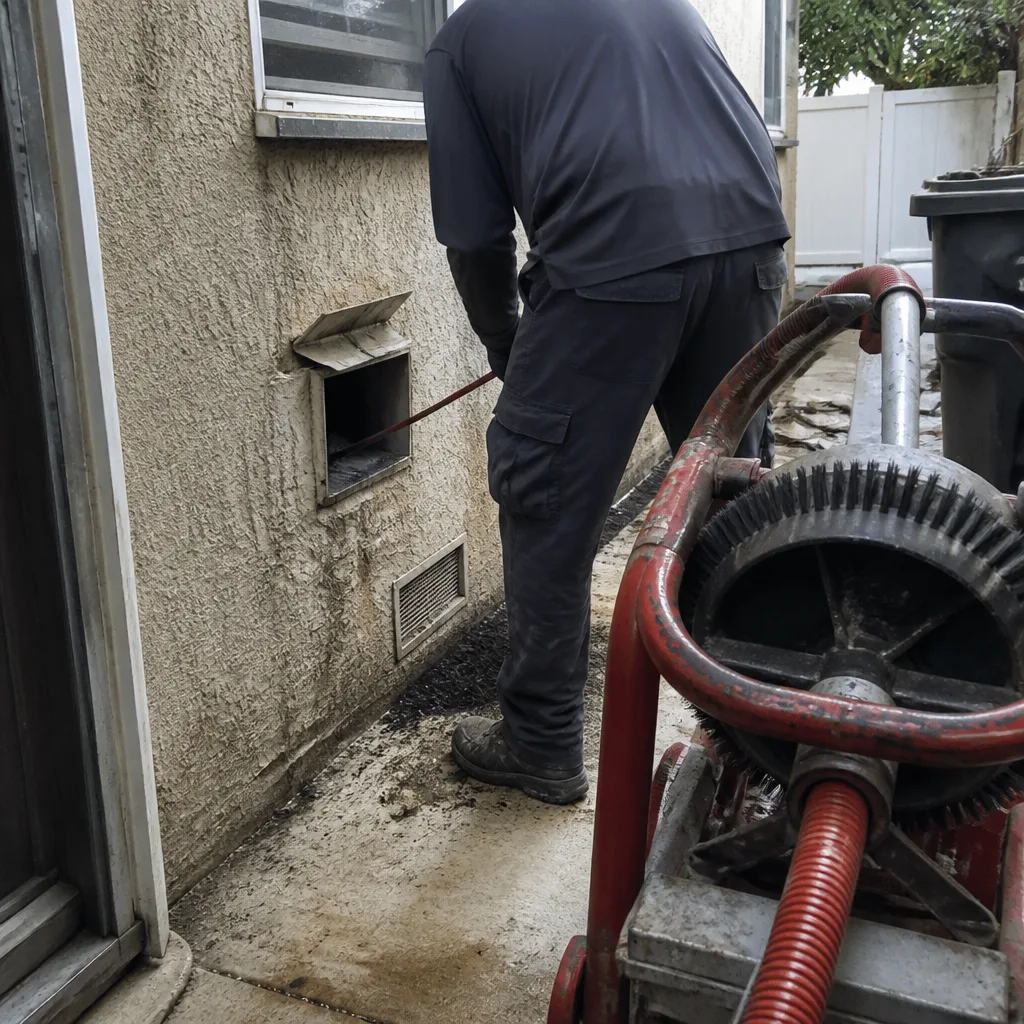 Before
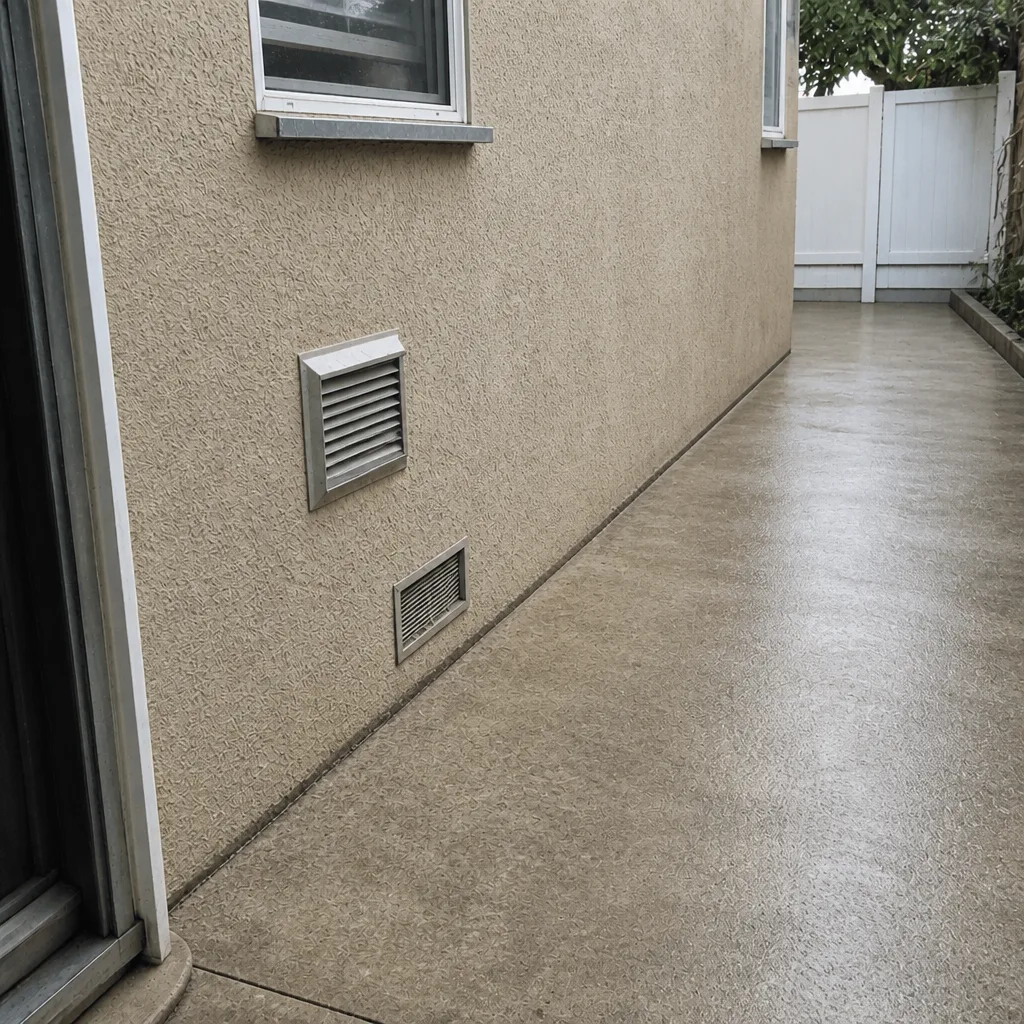 After
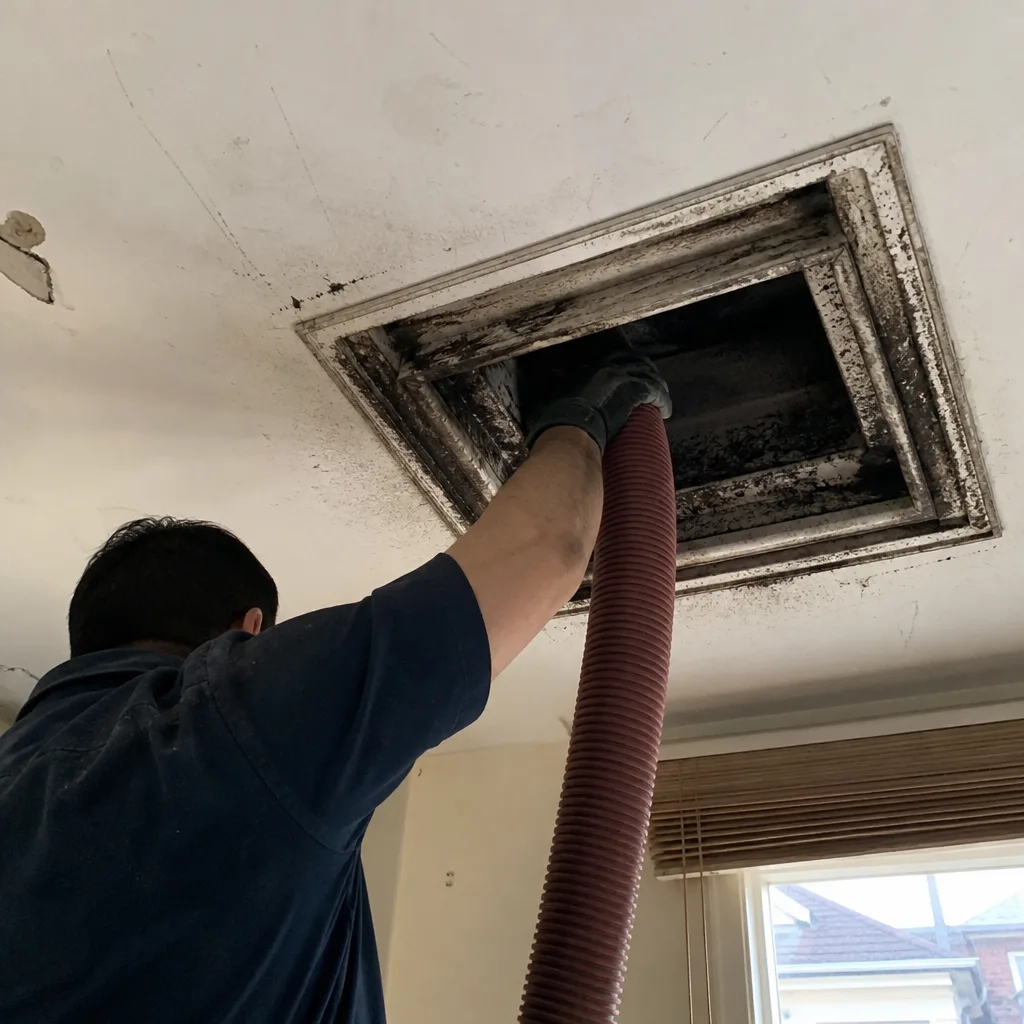 Before
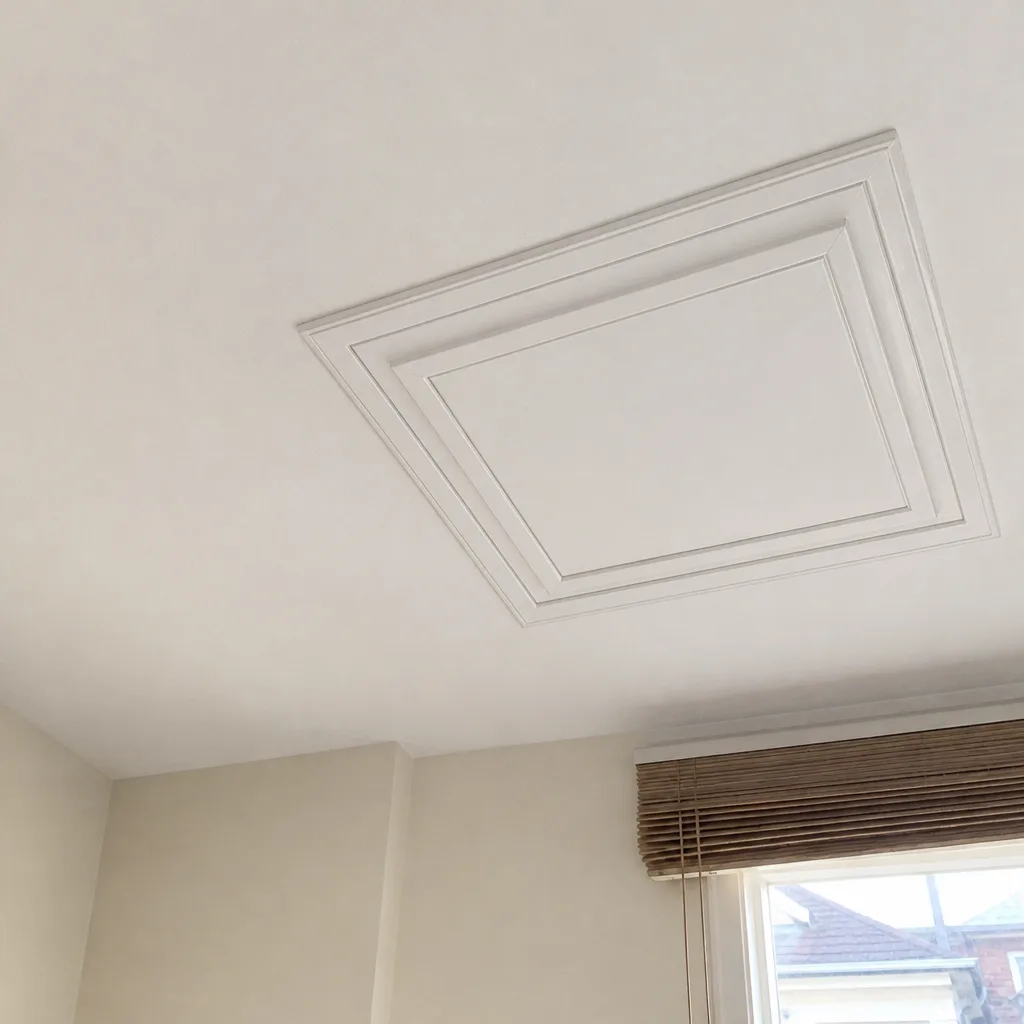 After
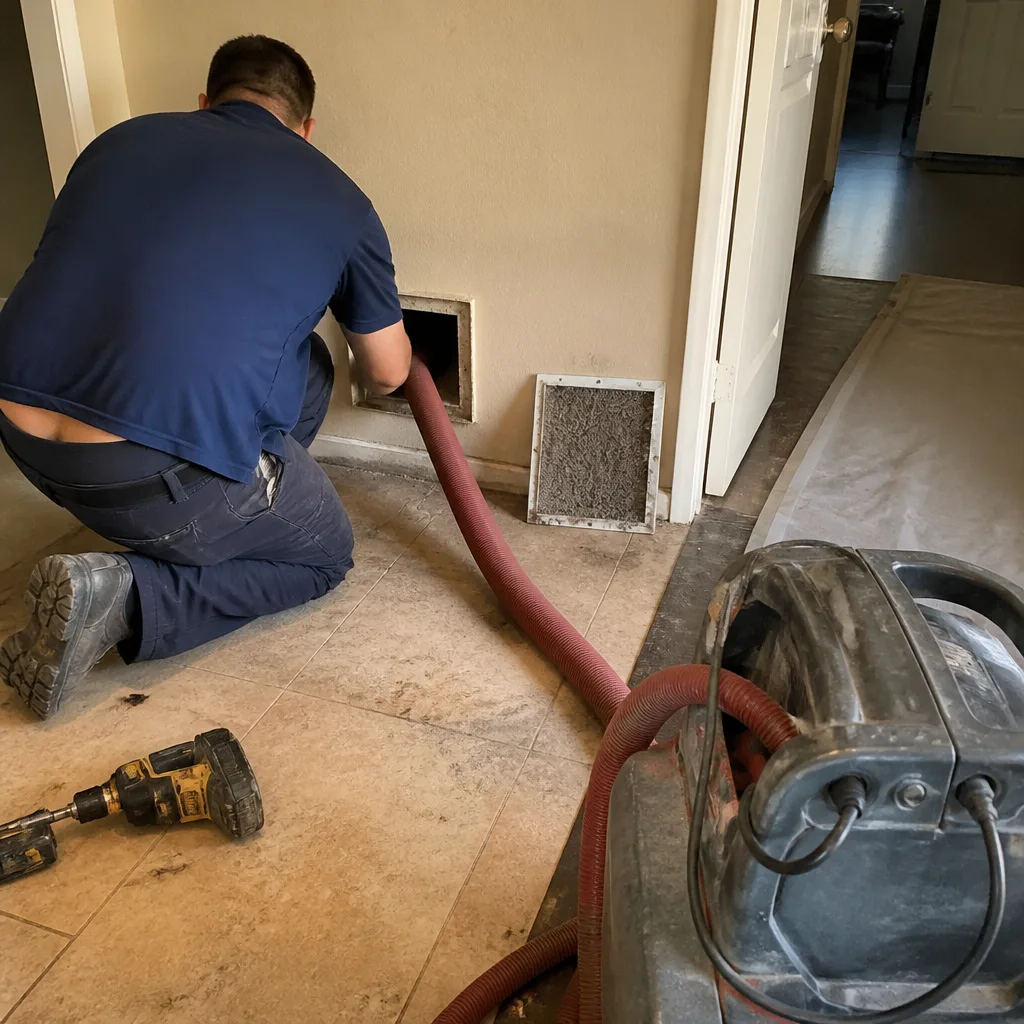 Before
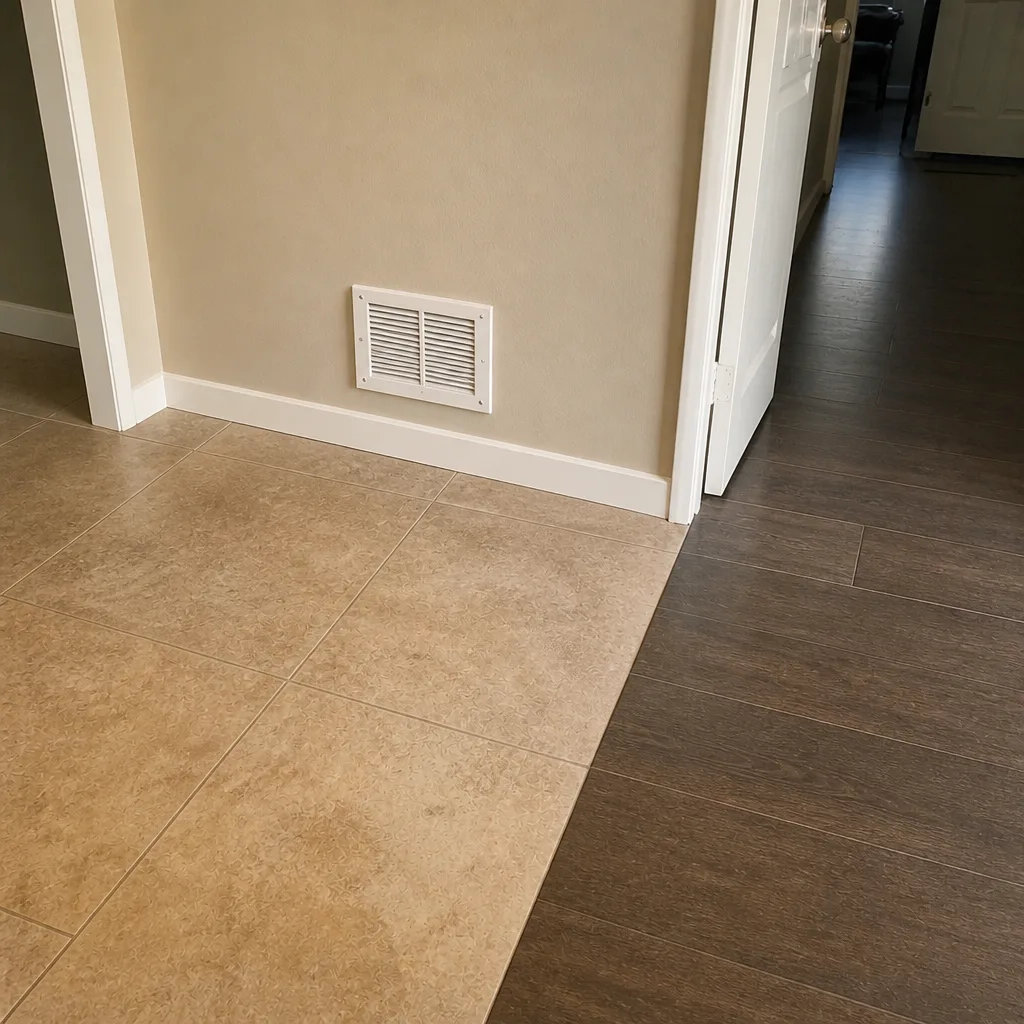 After