
Last updated November 4, 2026
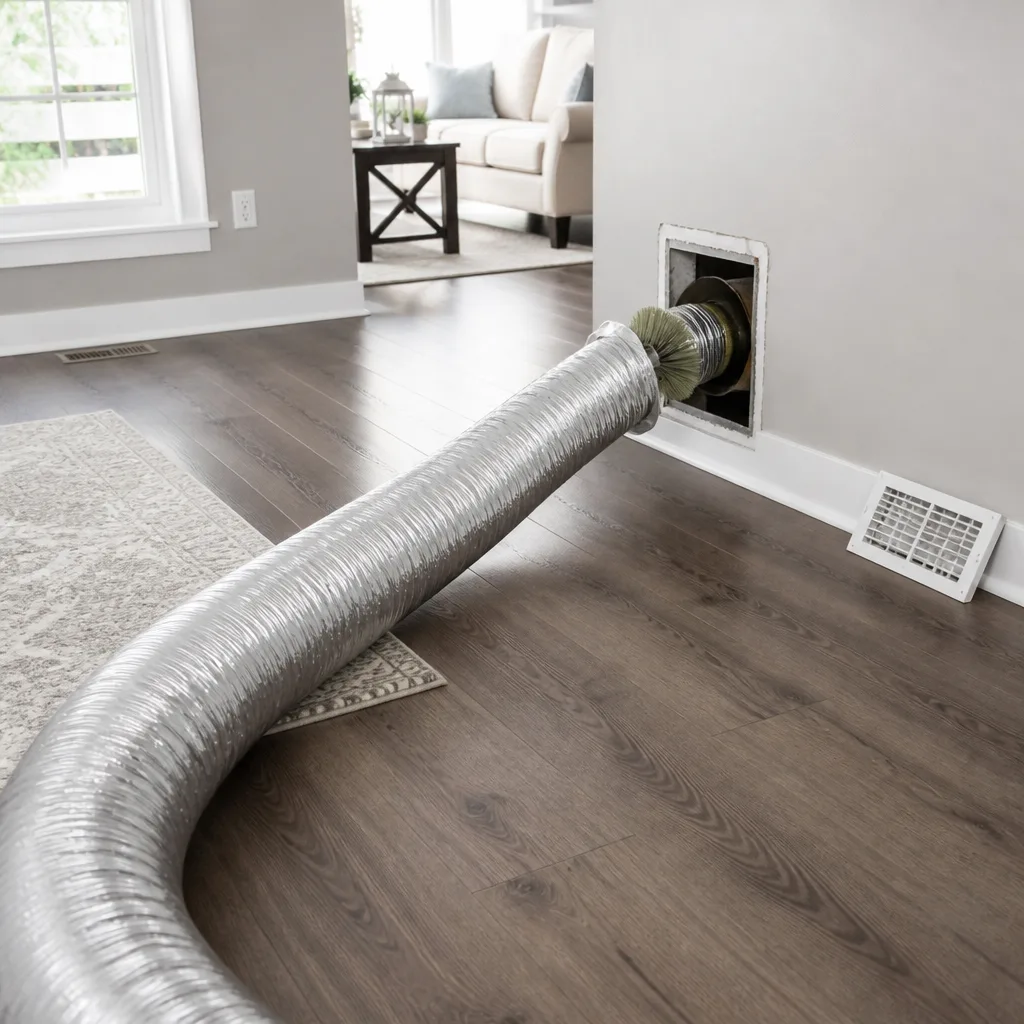 Whole-home duct cleaning
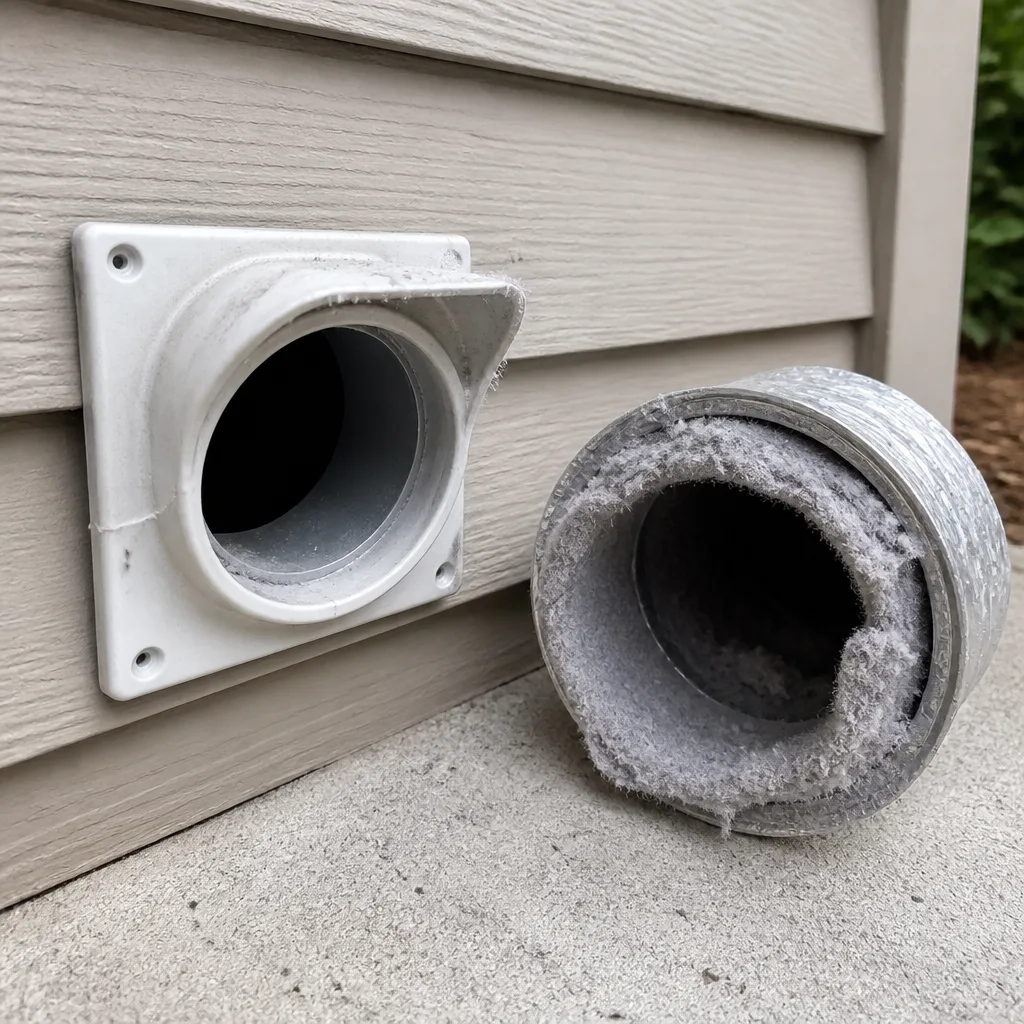 Dryer vent cleaning
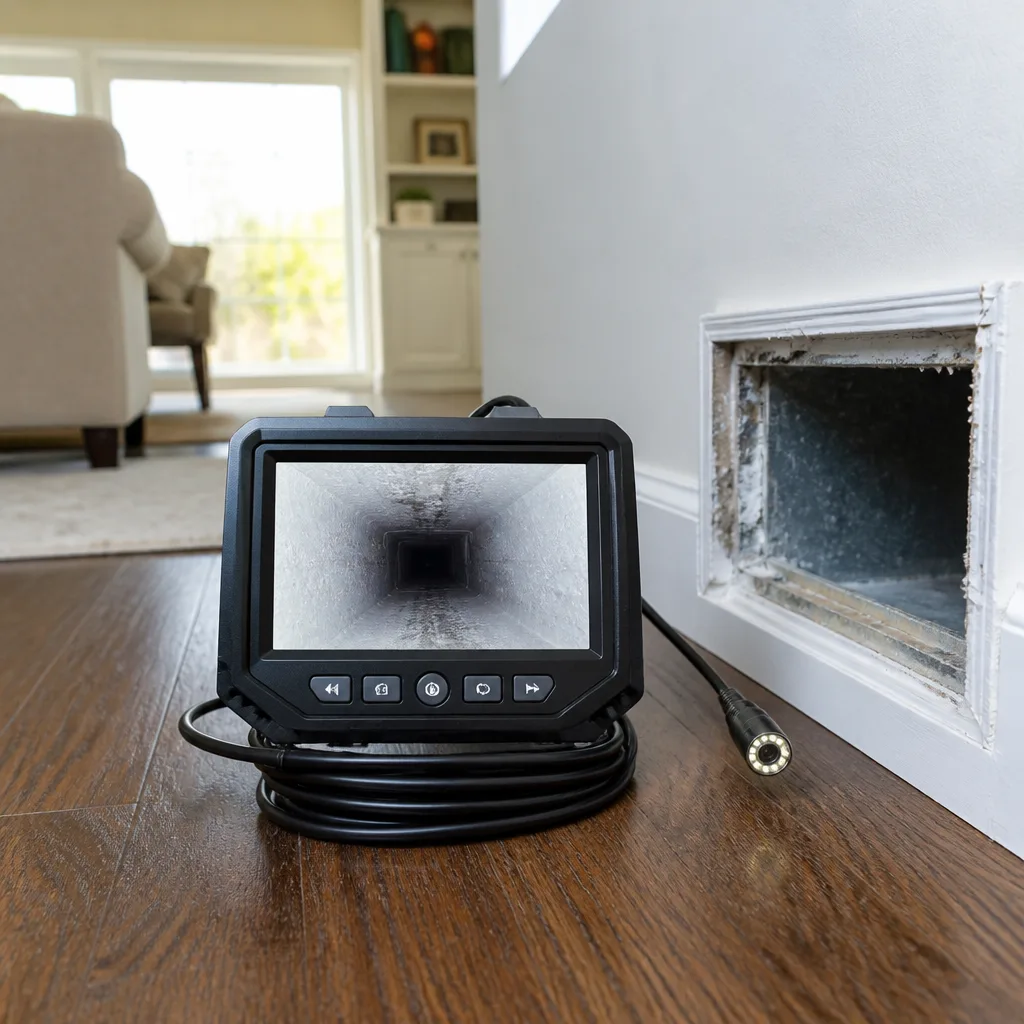 Camera inspection
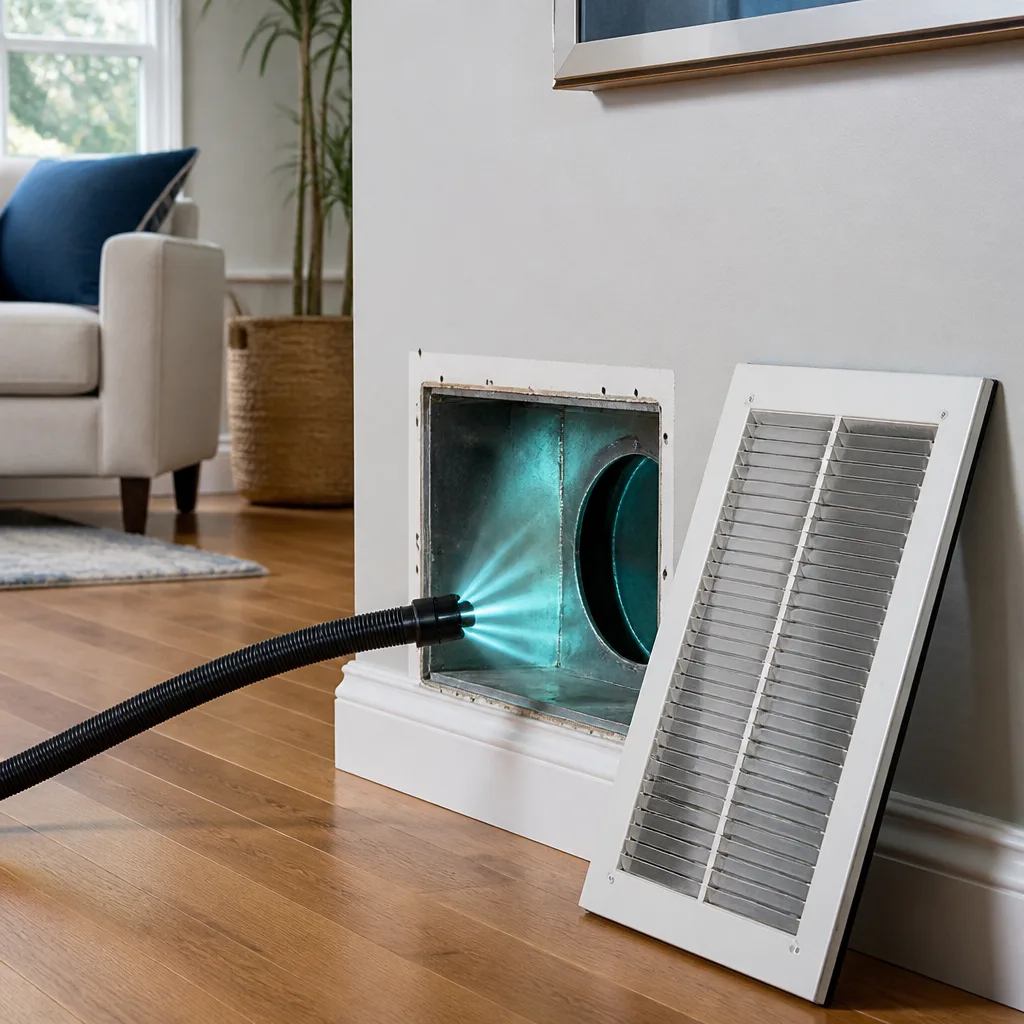 Sanitizing & deodorizing
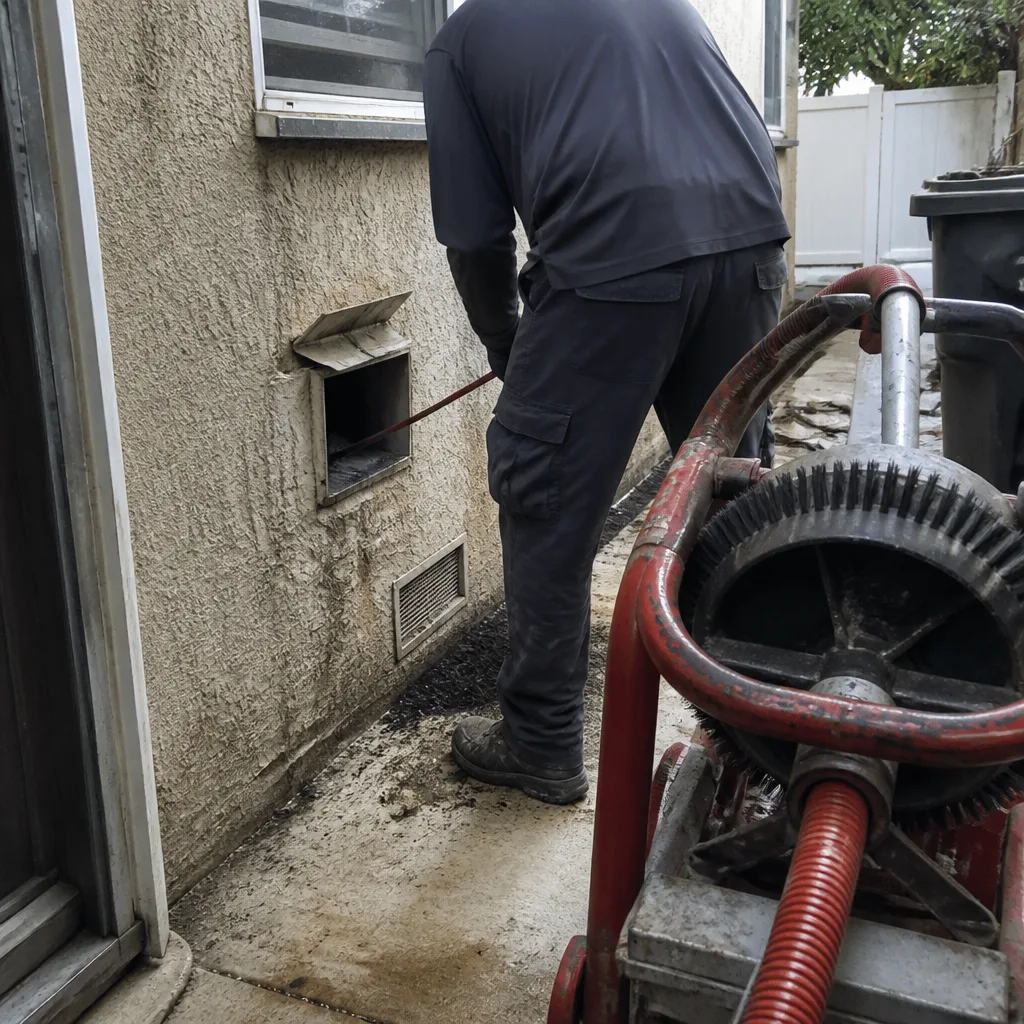
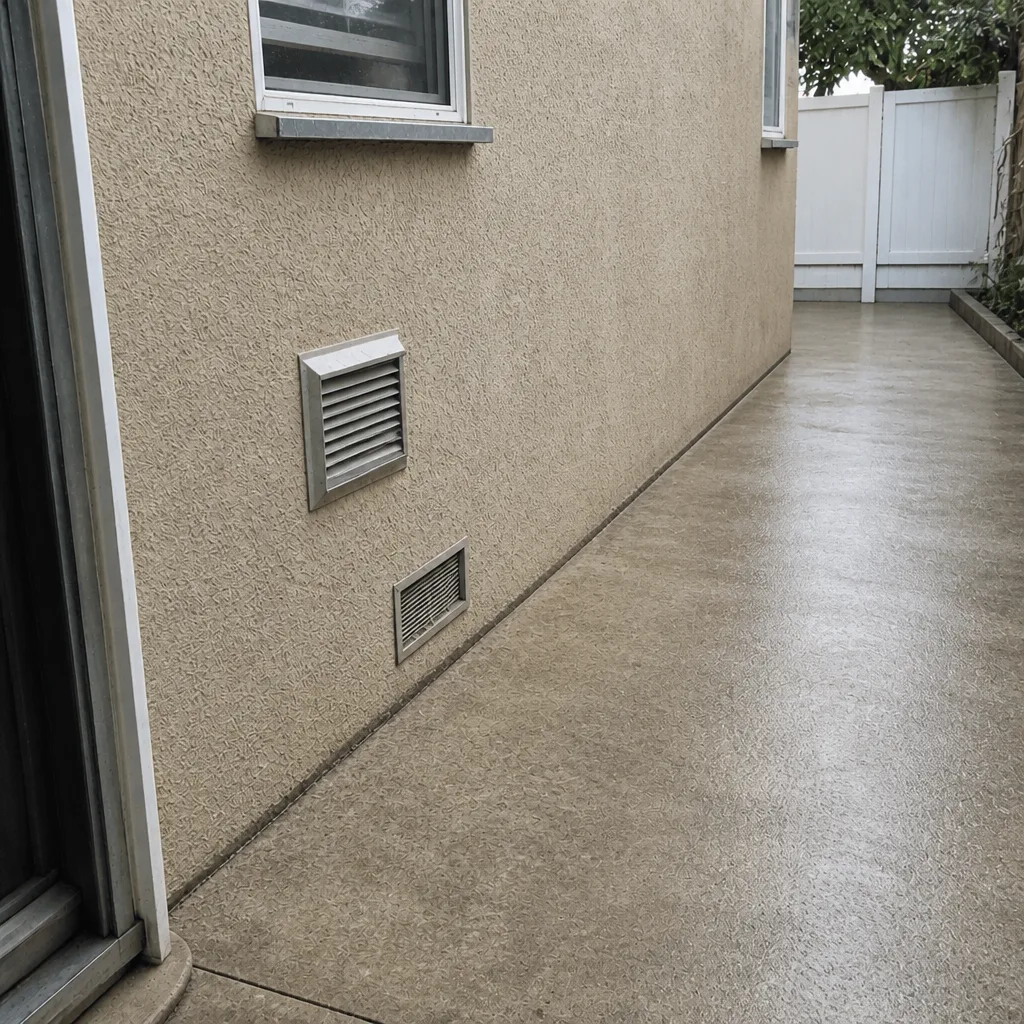
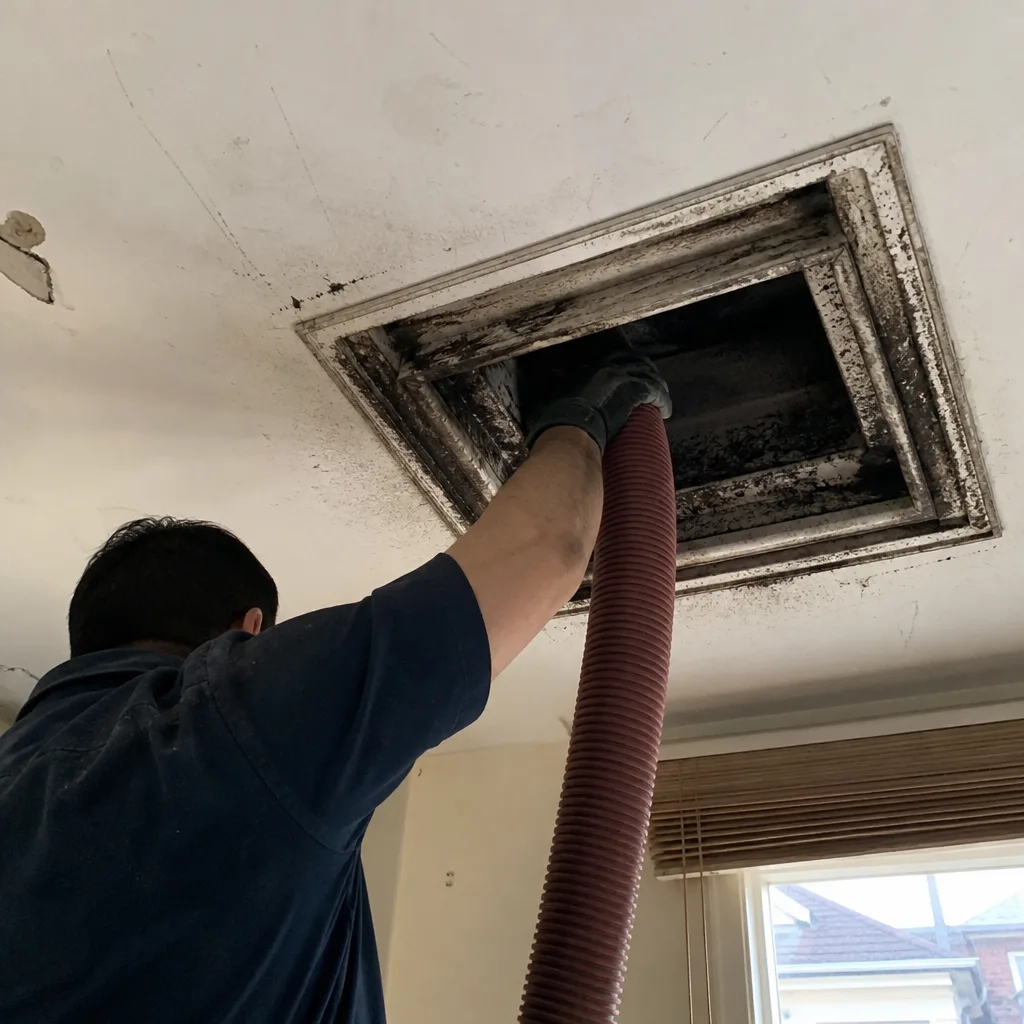
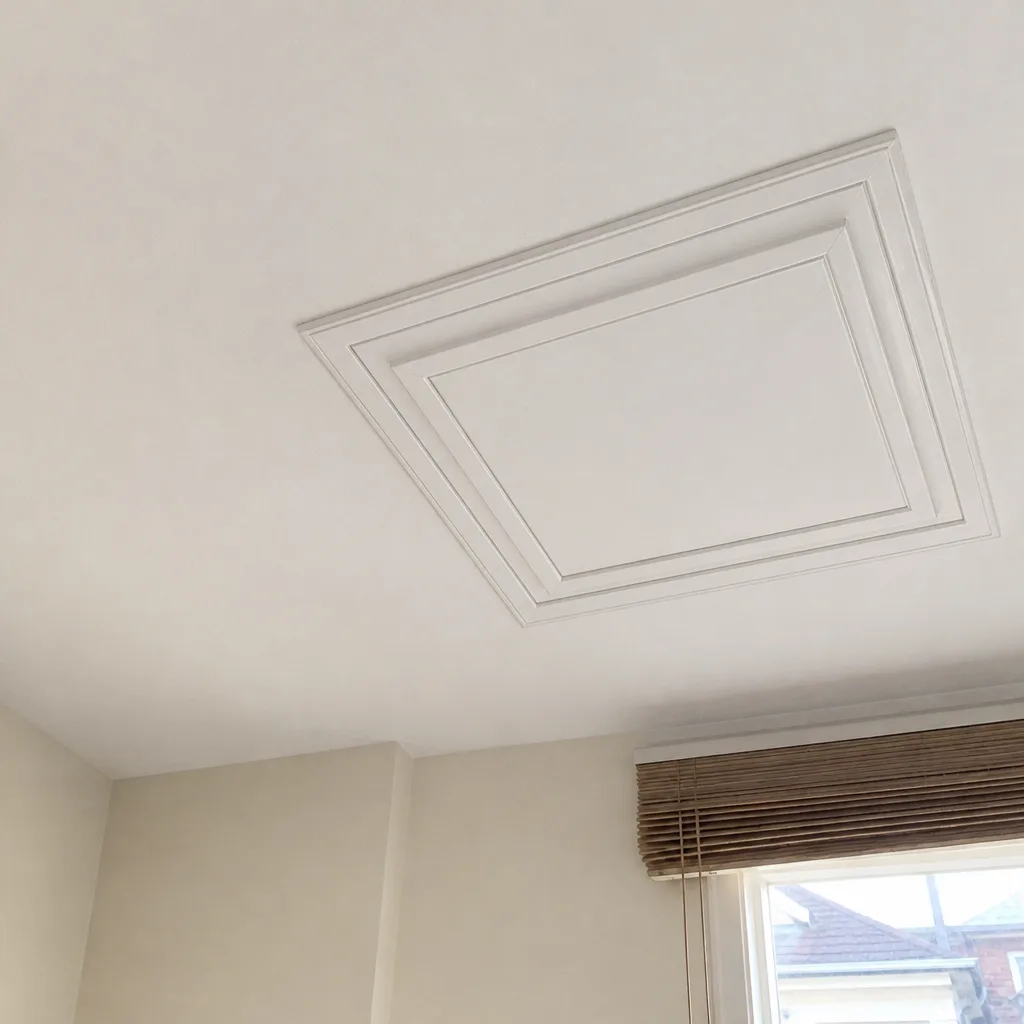
Whole-system duct and dryer vent check with before-and-after photos - you see exactly what came out of your vents
That "$99 whole-house special" is a bait ad - the real number appears once they are in your hallway, or the "clean" is a shop-vac at the register. We photograph the inside of your ducts before and after instead.
Air Duct Cleaning Maintenance Schedule: What to Do and When
Most homeowners in Hawthorne have heard the rule: clean your air ducts every three to five years. It gets repeated by contractors, home inspectors, and well-meaning neighbors as settled fact. What almost no one tells you is that this number traces back to a 1993 EPA advisory that explicitly stated it was not a recommendation. The agency was offering a rough observational range, not a maintenance mandate. The truth is that your home’s duct cleaning interval depends on variables the generic rule never accounts for: how many pets sleep in your house, whether you recently remodeled, what grade of air filter you run, and how much fine particulate the Hawthorne air pushes through your return grilles. This guide replaces the one-size-fits-all schedule with a variable framework you can actually use.
Quick Answer
Most Hawthorne homes should have their air ducts professionally cleaned every 2 to 4 years when you account for local particulate levels, pets, and filter habits. Homes with no pets, high-MERV filtration, and no recent remodeling can often extend to 5 years, while households with multiple pets, recent construction dust, or allergy concerns typically benefit from a 2-year interval. The real schedule is set by what’s happening inside your specific system, not by an industry average.
Styles & brands we work with
- Whole-home duct cleaning
- Dryer vent cleaning
- Camera inspection
- Sanitizing & deodorizing
Table of Contents
- The 1993 EPA Advisory and the Myth It Created
- The Variable-Interval Framework: What Actually Drives Debris
- Baseline Intervals for Different Hawthorne Households
- What to Do Between Professional Cleanings
- Seasonal Timing: Why June Matters in Hawthorne
- Using Filter Condition as a Data Point
- Dryer Vents: The Parallel Schedule Most People Miss
- Common Mistakes to Avoid
- When to Call a Professional
- Frequently Asked Questions
The 1993 EPA Advisory and the Myth It Created
Here’s what actually happened. In 1993, the U.S. Environmental Protection Agency published a general guidance document on indoor air quality. Buried in the section on ductwork, the agency wrote that duct cleaning has not been shown to prevent health problems, and that consumers should not believe claims to the contrary. Then it added an observational note: some research suggested that ducts should be cleaned when they contain visible mold, vermin, or significant debris, and that homeowners might consider cleaning “every three to five years” under certain conditions.
That sentence was never a recommendation. The EPA was describing what some researchers had observed, not prescribing a maintenance interval. But contractors and content mills latched onto it because it gave them a defensible-sounding number. Homeowners liked it because it was simple. And so the 3-to-5-year rule became gospel, stripped of all the context the original document included.
The problem with a universal interval is that it ignores how different one Hawthorne home is from another. A two-bedroom condo with a single occupant, a MERV 13 filter, and no pets accumulates far less duct debris than a four-bedroom house with three dogs, a recent kitchen remodel, and fiberglass filters changed twice a year. Yet the generic rule tells both households to clean on the same schedule. That’s not maintenance planning. That’s guessing with extra steps.
What matters is the rate at which your specific system accumulates particulate. That rate is measurable, and it responds to inputs you already know about: pets, renovation activity, filter grade, occupant load, and the outdoor air your HVAC system pulls in. Once you understand those inputs, you can set a schedule that’s actually calibrated to your home.
The Variable-Interval Framework: What Actually Drives Debris
Duct debris doesn’t appear randomly. It accumulates in response to identifiable sources, and each source has a predictable effect on how quickly your system loads up. Here are the primary drivers, ranked roughly by impact.
- Pet load: The single biggest variable in most Hawthorne homes. Cats and dogs shed dander, hair, and skin cells continuously, and much of that material gets pulled into the return air stream. A home with two or more indoor pets typically loads its ducts two to three times faster than a pet-free home.
- Renovation dust: Drywall sanding, flooring removal, and general construction generate fine particulate that settles in ductwork. If you’ve remodeled within the past two years, your system almost certainly needs cleaning sooner than a baseline schedule would suggest, even if the work happened in one room.
- Filter grade: A fiberglass MERV 1-4 filter catches large debris but lets fine dust pass through into the coil and duct surfaces. A MERV 11-13 filter captures significantly more particulate before it enters the system, which directly extends the interval between needed cleanings.
- Occupant load and allergy concerns: More people means more skin cells, more textile fibers from clothing and bedding, and more activity stirring up settled dust. Households with allergy or asthma sufferers often choose shorter intervals because maintaining cleaner air delivery matters more than maximizing time between service calls.
- Outdoor particulate in Hawthorne: Homes near busy arterials like Hawthorne Boulevard or the 105 corridor see more vehicle-related particulate entering through fresh air intakes and door openings. That dust gets pulled into the system and deposited in the ductwork.
Each of these inputs acts like a dial. Turn several of them up, and your interval shortens. Turn them down, and you can safely wait longer. The goal is to recognize which dials are active in your home and adjust accordingly, rather than defaulting to a number that ignores all of them.
Baseline Intervals for Different Hawthorne Households
Using the variables above, you can place your home into one of three rough categories. These are starting points, not rigid rules. The filter-condition check covered later in this guide will help you refine them over time.
- Low-load household (clean every 4-5 years): No indoor pets. One or two occupants. MERV 11 or higher filters changed on schedule. No renovation activity in the past three years. No smoking indoors. Ducts sealed reasonably well with no major leaks pulling attic or crawlspace air. This profile accumulates debris slowly enough that a 5-year interval is defensible.
- Moderate-load household (clean every 3 years): One indoor pet, or two occupants with moderate activity. Standard MERV 8-10 filters. Occasional window-open days during mild Hawthorne weather. Maybe a recent bathroom or bedroom refresh that generated some dust. No major construction. This is the most common profile we see, and a 3-year interval keeps these systems clean without over-servicing.
- High-load household (clean every 2 years, sometimes sooner): Two or more indoor pets. Renovation within the past 18 months. Fiberglass filters or MERV ratings below 8. Allergy-sensitive occupants. Smokers in the home, or heavy cooking with gas and limited range hood use. Older ductwork with visible gaps at joints. This profile benefits from a 2-year cadence, and sometimes an initial cleaning followed by re-evaluation at the 12-month mark.
These categories aren’t about judgment. A high-load home isn’t a dirty home; it’s simply one where more particulate enters the system by design of daily life. The right response is to match the maintenance schedule to the actual conditions.
What to Do Between Professional Cleanings
Professional air duct cleaning removes accumulated debris, but what happens between cleanings determines how quickly that debris returns. Regular attention to a few accessible components keeps the system cleaner longer and makes the next professional visit more effective.
Register wipe-downs: Supply registers and return grilles collect a visible film of dust along their louvers. Wiping them down monthly with a damp cloth prevents that material from being redistributed into the room air and reduces the amount of loose particulate sitting right at the system openings. In homes with pets, you’ll often see hair accumulation on return grilles within a few weeks.
Filter change cadence: The filter is the first line of defense for your ductwork. If you’re running a standard 1-inch filter, plan to check it monthly and replace it at minimum every 90 days. Homes with pets or extended run times during Hawthorne’s warmer months may need changes every 60 days. If you upgrade to a 4-inch media filter or a Honeywell electronic air cleaner, you extend filter life and capture more fine particulate before it enters the system, which directly stretches your cleaning interval.
Return air grille checks: The return grille is where air enters the system. If it’s clogged with hair and dust, the system restricts airflow and pulls harder on any gaps in the duct connections, pulling attic or wall-cavity dust into the air stream. A quick visual check every month, plus a vacuum or wipe-down of the grille face, prevents this accumulation from becoming a problem.
Supply register inspection: Look at the inside edge of supply registers when you wipe them. If you see dust accumulating on the interior surface just behind the louver, that’s material being carried by the air stream. A fine, even dust film is normal. Visible clumps or heavy buildup within a few weeks of a professional cleaning signals either filter shortfalls or a duct leak that needs attention.
Keep furniture off registers: Blocked supply registers force the system to work harder and create uneven room temperatures that drive more system cycling. More cycling means more air movement through dirty sections of ductwork.
None of these tasks replaces professional cleaning. What they do is slow the re-loading rate, keeping whatever interval you’ve chosen viable for longer. They’re also the same checks a Duct Cleaning Hawthorne technician performs during a service visit, so doing them yourself gives you a baseline for comparison.
Seasonal Timing: Why June Matters in Hawthorne
Hawthorne’s climate shapes the practical scheduling question in a way that generic advice ignores. Most national guides suggest cleaning in fall before heating season or in spring before cooling season. For Hawthorne specifically, the more strategic window is late spring, with a target of completing cleaning before June.
Here’s the reasoning. June marks the start of the marine layer season, when coastal stratus settles over the South Bay and keeps nighttime humidity elevated. That humidity, combined with cooler evening temperatures, means dust particles that might otherwise stay airborne settle more readily on surfaces, including the interior of ductwork. Cleaning before this period means your system starts the humid season with a clear pathway. Waiting until after means you’re pushing the cleaning into a window when the system is actively pulling in whatever particulate is in the air and depositing it in the ductwork.
There’s also a practical economic angle. Most HVAC contractors across the region see a surge in cooling-related service calls starting in late June and running through September. Scheduling duct cleaning in the April-to-May window puts you ahead of that rush, which often means more scheduling flexibility.
If you can’t hit the spring window, the second-best option in Hawthorne is early fall, once the marine layer pattern breaks and before the Santa Ana winds begin. Santa Ana events drive fine dust and particulate through the air in measurable amounts, and a system that’s already loaded from the summer will capture more of that material. Cleaning before the Santa Ana season begins in earnest gives the system its best chance of handling those events without compounding existing debris.
Using Filter Condition as a Data Point
Your air filter is a crude but useful diagnostic tool for recalibrating your cleaning interval. The moment you pull a filter at its scheduled replacement time, stop and actually look at it before tossing it in the trash.
What you’re checking is the character of what the filter caught. If the filter is moderately gray with an even coating of fine dust, your system is functioning as intended and your interval is probably correct. If the filter is heavily matted with hair and visible fiber clumps at the 90-day mark, your particulate load is higher than the baseline assumed, and you should shorten your interval by a year. If you pull a filter at 90 days and it looks almost clean, you can reasonably extend your interval by a year, provided there’s no visible debris in the registers themselves.
An Aprilaire media filter or similar high-capacity unit will show this progression more gradually than a 1-inch panel filter, simply because it holds more material before loading up. But the principle still applies: the rate of visible accumulation on the filter media is a proxy for the rate of accumulation inside the ductwork. One controls the other.
We also recommend marking the date on the filter frame with a permanent marker when you install it. When you pull it out, you’ll know exactly how long it’s been in service. Without that mark, people routinely misjudge filter age by weeks. Over a year, those errors compound and make the filter condition check less reliable.
Dryer Vents: The Parallel Schedule Most People Forget
Air ducts and dryer vents are often grouped together in homeowners’ minds, but the maintenance logic differs. A clogged air duct reduces air quality and system efficiency. A clogged dryer vent is a fire hazard. The distinction matters, and the schedule should treat them as separate systems.
Dryer vent cleaning should happen annually in most Hawthorne homes. The baseline is one year, not three or five. Lint builds up continuously with every dryer cycle, and unlike duct debris, lint is highly flammable and sits directly in the exhaust path of a heat-producing appliance. The U.S. Fire Administration has consistently identified dryer vent fires as a leading cause of residential fire incidents, and the primary cause is failure to clean the vent.
If your dryer vent run is long, especially if it exits through a roof or travels through an attic space, the annual interval is even more important. Long runs with multiple elbows accumulate lint faster because airflow reduces at every bend. Homes with gas dryers add a combustion exhaust consideration that makes clear vent passage a safety requirement, not a comfort preference.
Between professional cleanings, two checks matter. First, clean the lint screen before every load. This is non-negotiable. Second, check the exterior vent flap monthly during peak laundry usage. If the flap doesn’t open fully during a dryer cycle, or if you feel weak airflow at the outlet, lint is accumulating and the vent needs attention sooner than the annual visit.
At Duct Cleaning Hawthorne, we treat dryer vent service as a safety call rather than a convenience add-on. The equipment and approach differ from air duct cleaning, but both fall under the same systemic view: everything that moves air through your home should move it cleanly and without obstruction.
Common Mistakes to Avoid
- Using the 3-to-5-year rule without checking your inputs. The interval should be set by your home’s actual particulate load, not by a decontextualized advisory from 1993. A home with three dogs and a recent remodel may need cleaning at 18 months.
- Relying solely on visible register dust to decide when to clean. You can only see the portion of the register you can wipe down. The ductwork behind the wall can hold significant debris even when the supply registers look fine.
- Replacing the filter with whatever’s cheapest at the hardware store. A MERV 4 fiberglass filter passes fine particulate directly into the system. A MERV 11 or MERV 13 filter from Honeywell or a comparable manufacturer captures meaningfully more material and extends the cleaning interval.
- Ignoring dryer vent maintenance until the dryer takes two cycles to dry a load. The fire risk builds long before you notice performance symptoms. Annual cleaning is the baseline, not an optional extra.
- Assuming a renovation with doors closed didn’t affect the ducts. Construction dust travels through the HVAC system if the system runs during work, which most do during Hawthorne’s warm months. Any remodel, even one confined to a single room, should trigger a cleaning re-evaluation.
- Forgetting that the return side matters as much as the supply side. Debris enters through the return grilles and gets distributed through the supply registers. A cleaning that focuses only on the supply side misses half the system.
- Waiting until there’s a smell or a visible problem. By the time you can smell mustiness from the registers or see visible dust blowing, the system has been distributing contaminated air for a while. The schedule should be proactive, not reactive.
When to Call a Professional
Some situations call for professional attention regardless of where you are in your maintenance schedule. Visible mold growth on or inside any duct surface, register, or air handler component requires abatement-grade cleaning and possibly component replacement, not a routine service. Persistent musty odor from the registers that doesn’t clear with a filter change points to moisture or biological growth inside the system. A rodent or pest intrusion leaves droppings and nesting material that must be removed with proper containment. Post-renovation dust that persists beyond a few weeks of normal settling should be addressed before it compounds. And any time you see dust blowing from supply registers when the system starts, the ducts have reached a load level that routine homeowner maintenance cannot correct.
Duct Cleaning Hawthorne offers free estimates throughout Hawthorne. Call (855) 473-3133. We answer 24/7. Fast dispatch from 7am to 7pm, Sunday through Friday.
Frequently Asked Questions
Most Hawthorne homes need air duct cleaning every 2 to 4 years, depending on pets, filter grade, renovation history, and occupant load. A home with no pets, MERV 11 or higher filtration, and no recent construction can often go 5 years, while a multi-pet household with standard filters typically benefits from a 2-year interval. Call (855) 473-3133 for an assessment that looks at your specific system.
It traces back to a 1993 EPA indoor air quality advisory that mentioned the range as an observational note, not a formal recommendation. The agency explicitly stated that duct cleaning had not been proven to prevent health problems and cautioned against routine cleaning schedules. The number has been repeated as gospel ever since, divorced from the original context.
Removing accumulated dust, pet dander, and particulate from the duct system does reduce the amount of material available to be redistributed through the supply registers. It’s not a cure for allergies, which have many sources, but it removes one contributing pathway inside the home. Households with allergy-sensitive occupants often find shorter cleaning intervals worthwhile.
Duct cleaning is priced per job by written estimate, with the final price set before any work begins. No legitimate company should quote a firm price over the phone without understanding your system’s size, duct layout, and accessibility. Call (855) 473-3133 for a free estimate.
Ask for before-and-after photos of the interior duct surfaces. A professional operator using Rotobrush or Nikro extraction equipment can provide visual verification of what was removed and what the duct interior looks like afterward. If a company refuses to show you the work, that’s an answer in itself.
No. Dryer vents should be cleaned annually in Hawthorne, regardless of your air duct interval. Lint accumulation is a fire hazard, and the risk grows with every dryer cycle. The annual schedule is independent of your air duct cleaning cadence.
The Bottom Line
The honest answer to how often you should clean your air ducts is that it depends on measurable inputs in your home: pets, filter grade, renovation activity, occupant count, and the particulate load in the Hawthorne air your system pulls in. Use those inputs to set a starting interval, then check filter condition at each replacement to confirm or adjust. Do the between-cleaning maintenance that keeps the system from loading up faster than it has to. And keep the dryer vent on its own annual schedule, because that one is a fire safety issue, not an air quality issue. The goal is a system that moves clean air reliably, and that only happens when the schedule matches the real conditions.
Written by the team at Duct Cleaning Hawthorne, serving Hawthorne since 2014.
See the difference
 Before
 After
 Before
 After
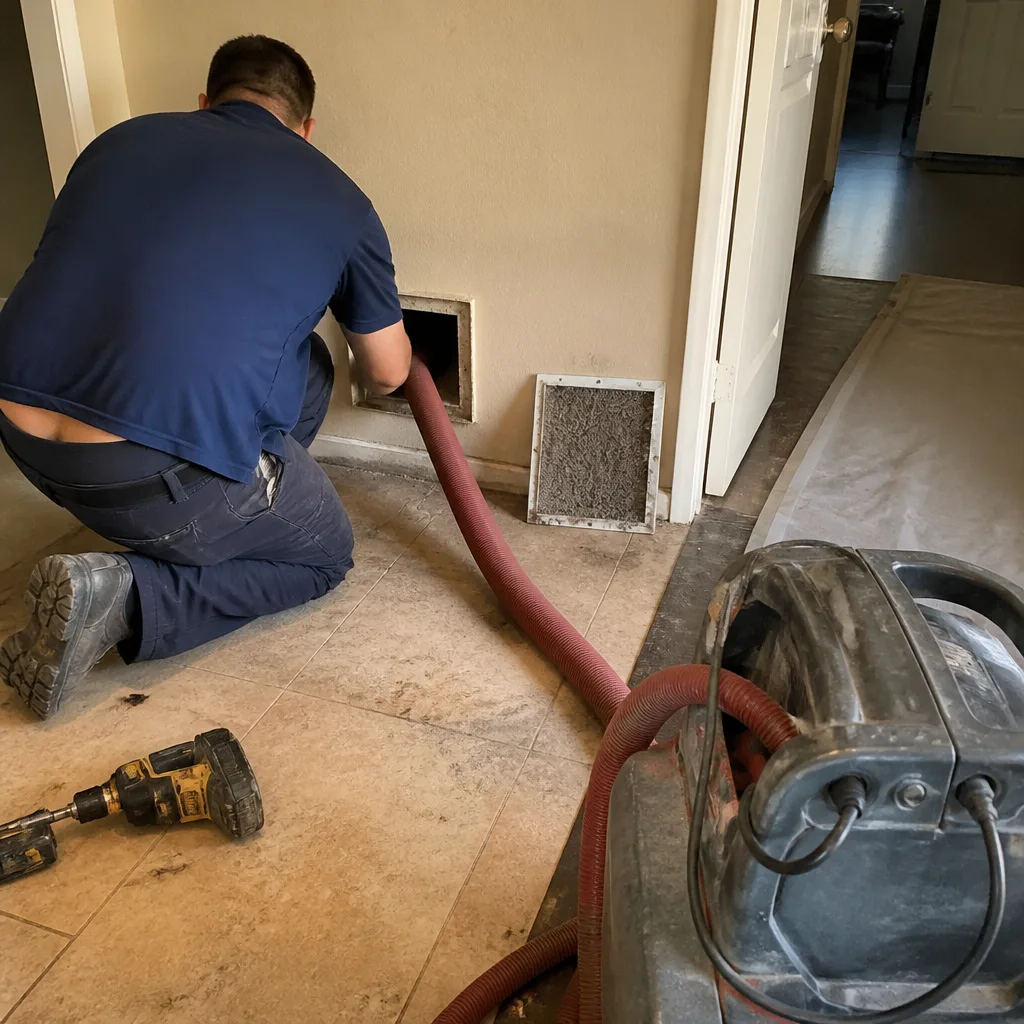 Before
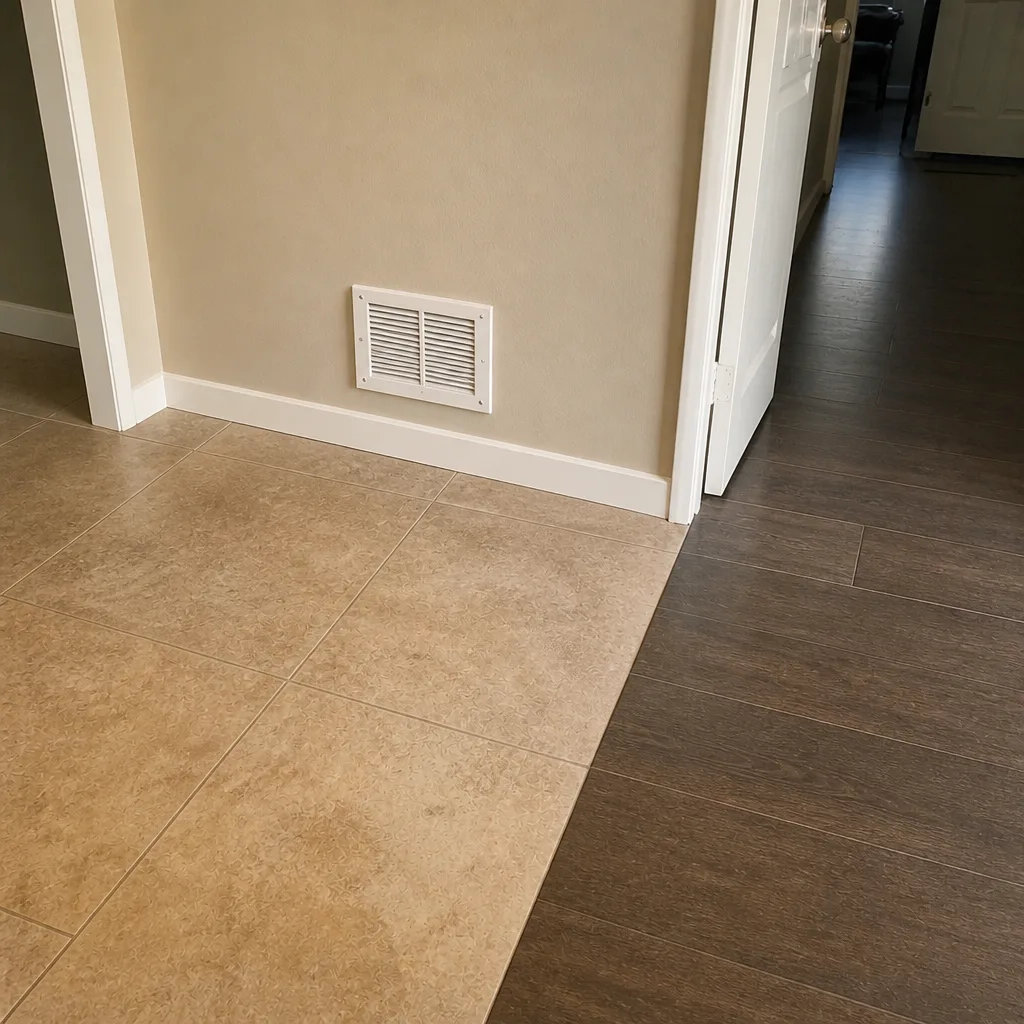 After