
Last updated November 4, 2026
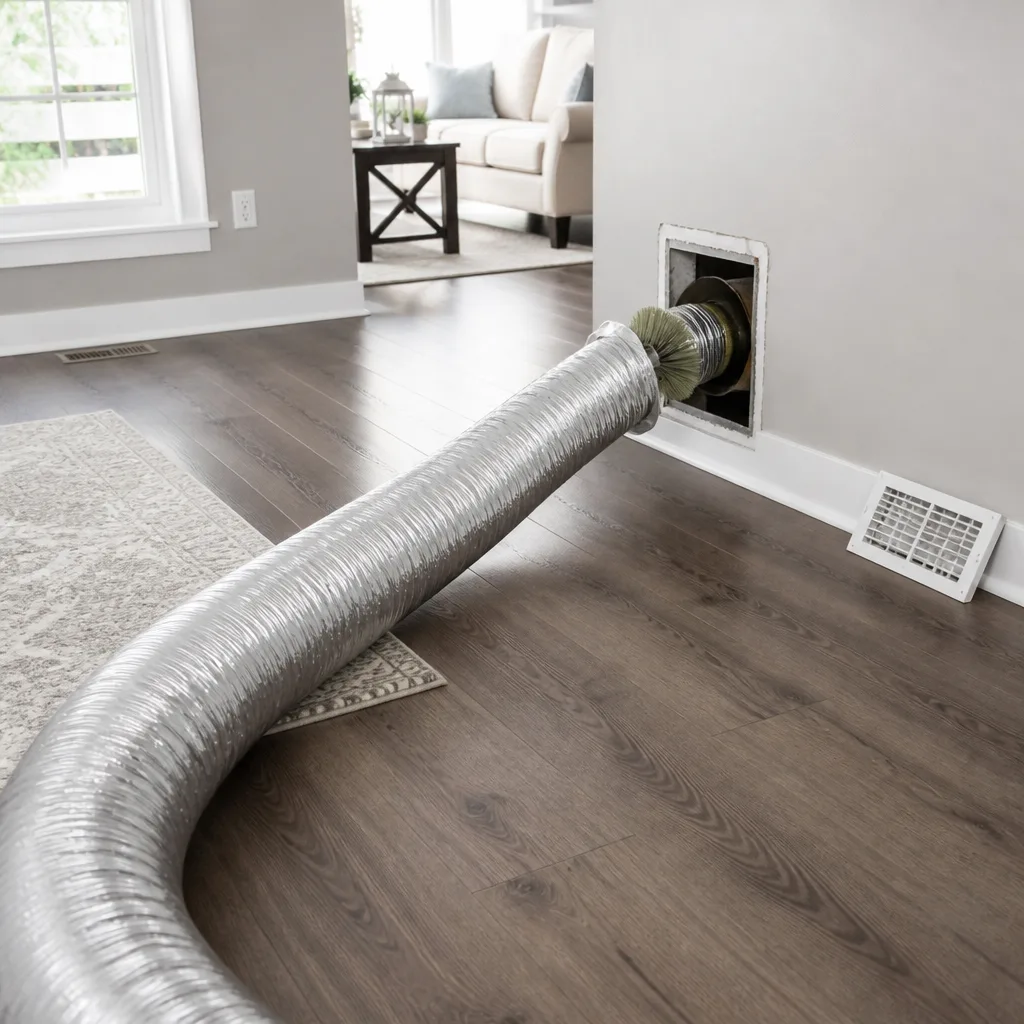 Whole-home duct cleaning
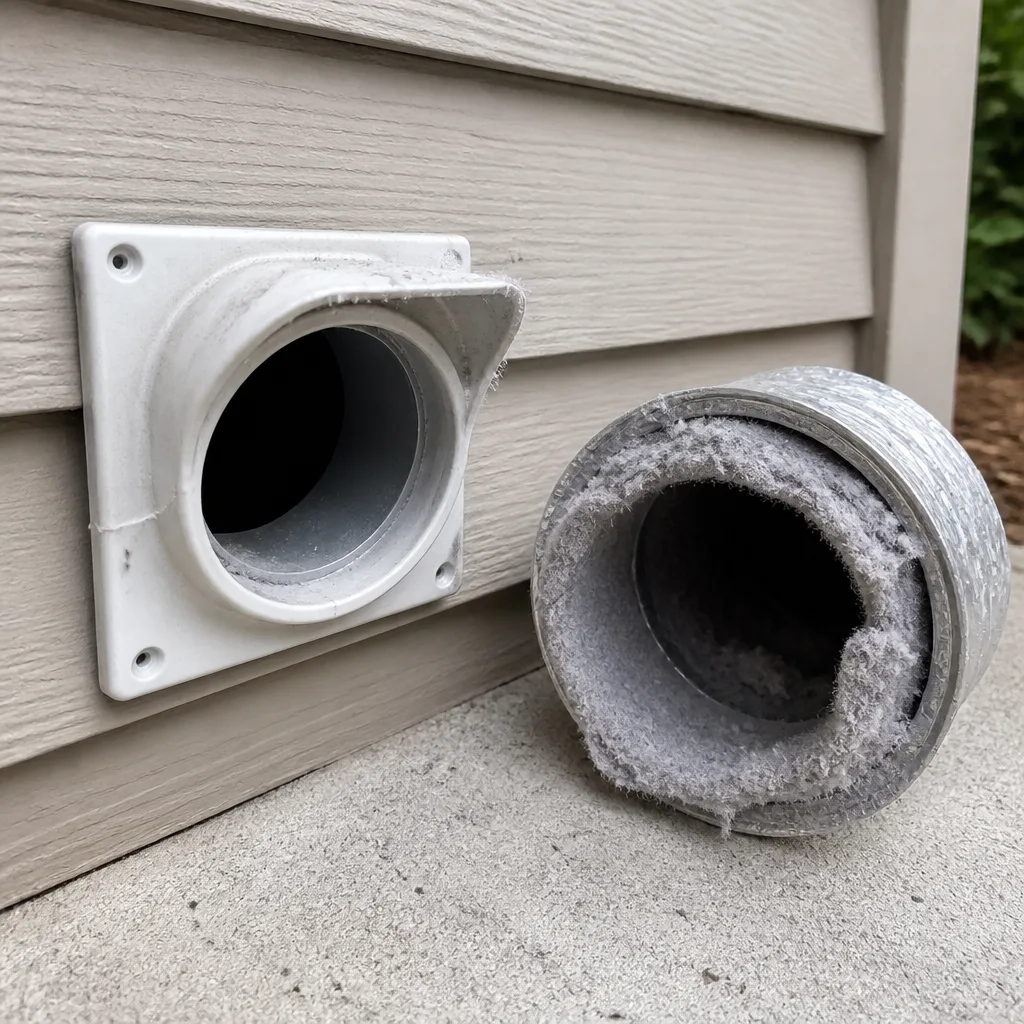 Dryer vent cleaning
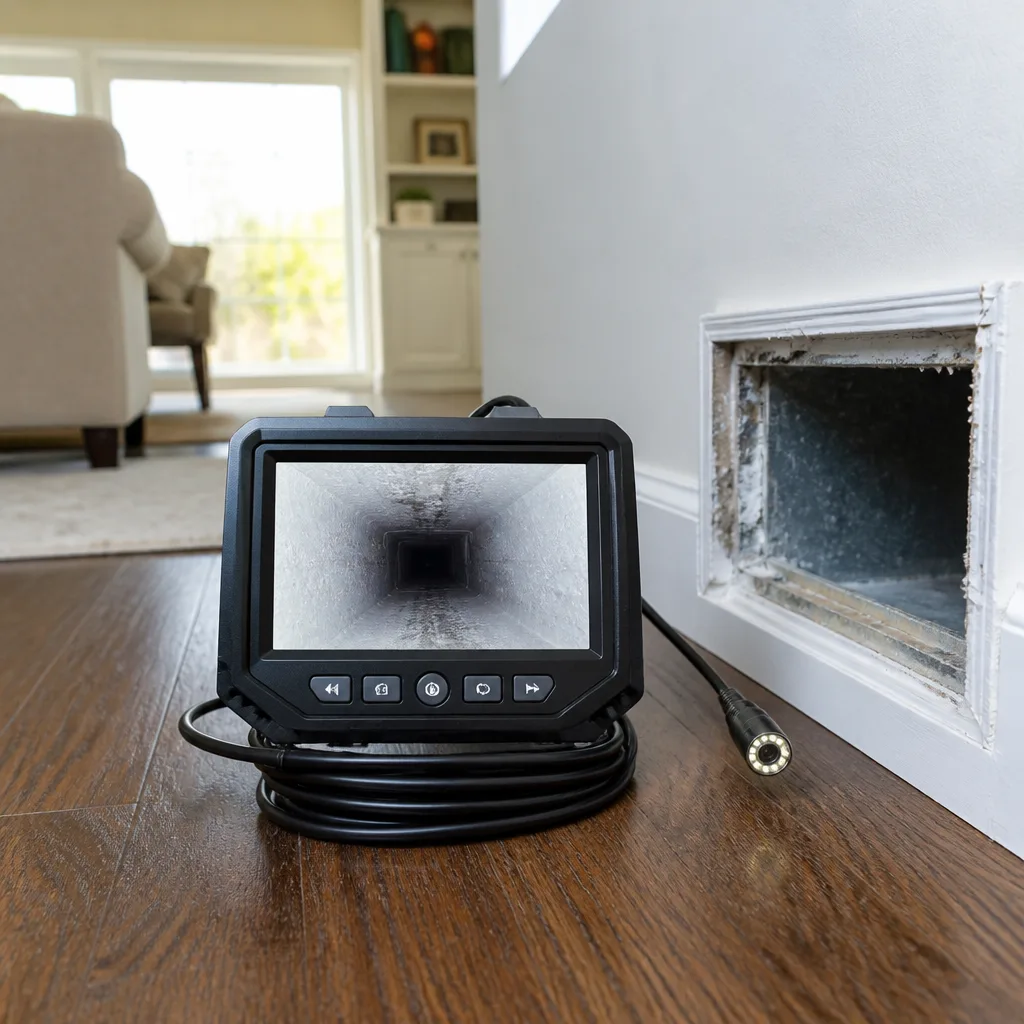 Camera inspection
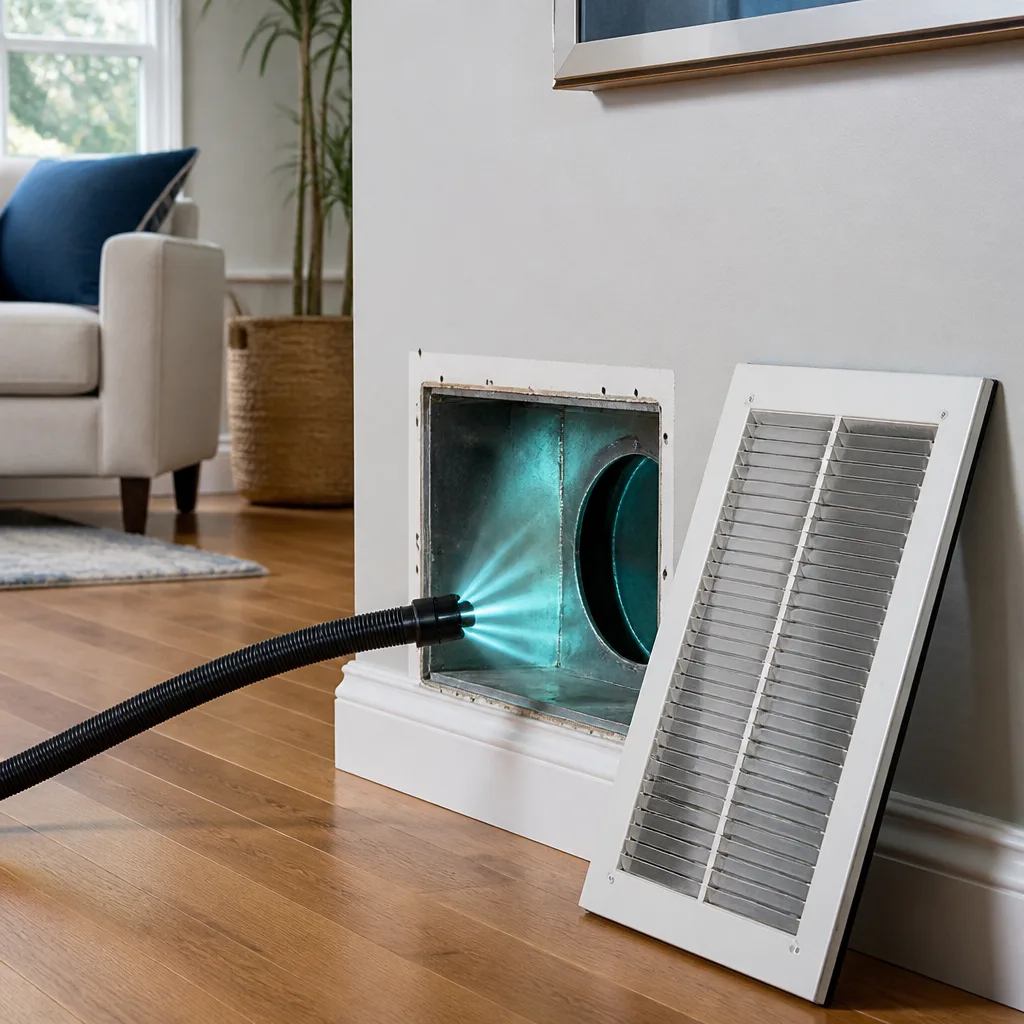 Sanitizing & deodorizing
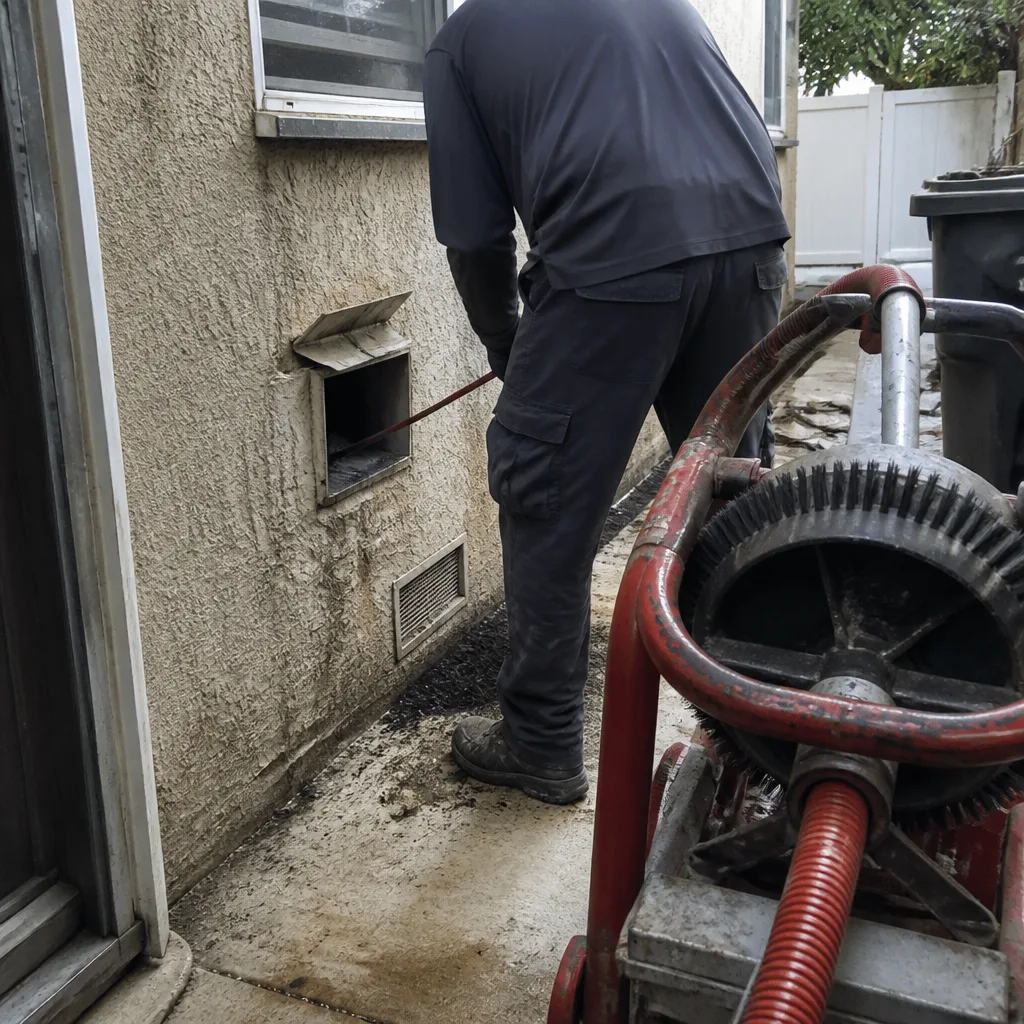
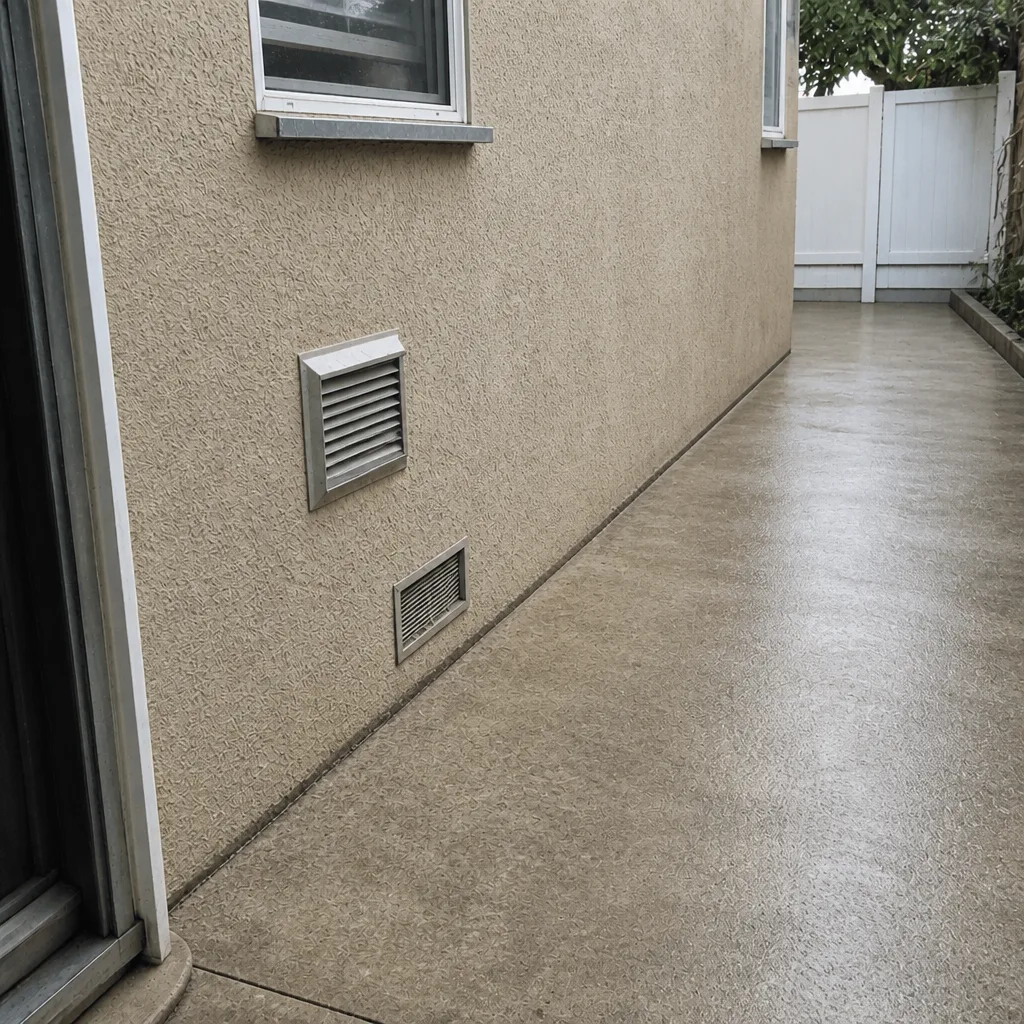
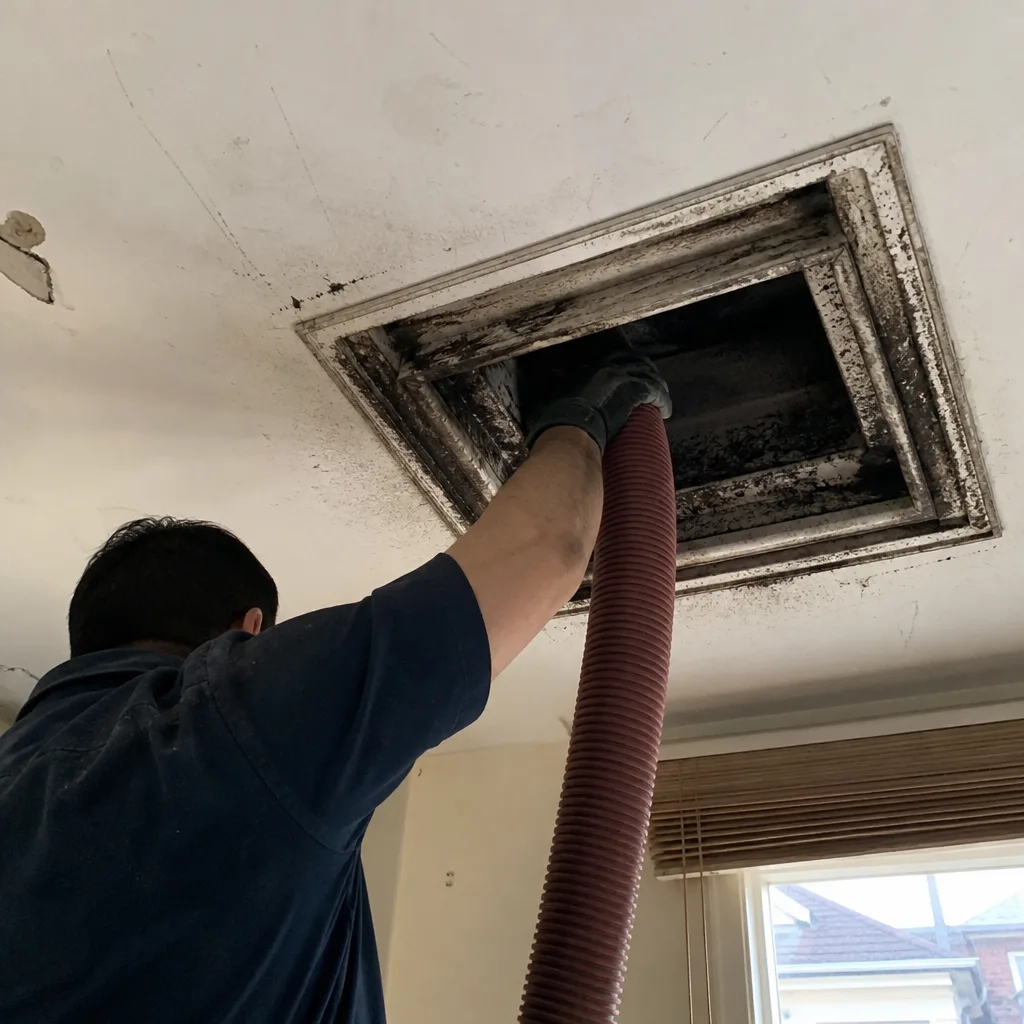
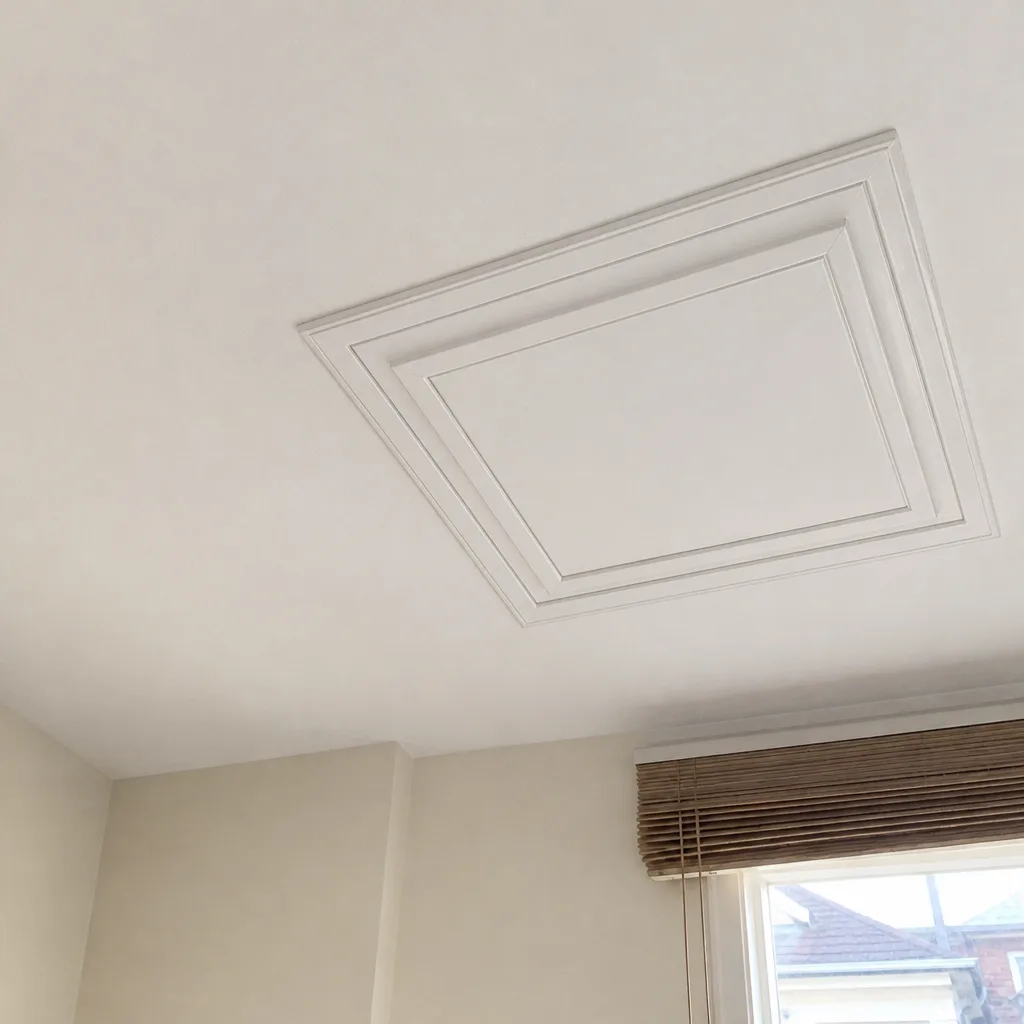
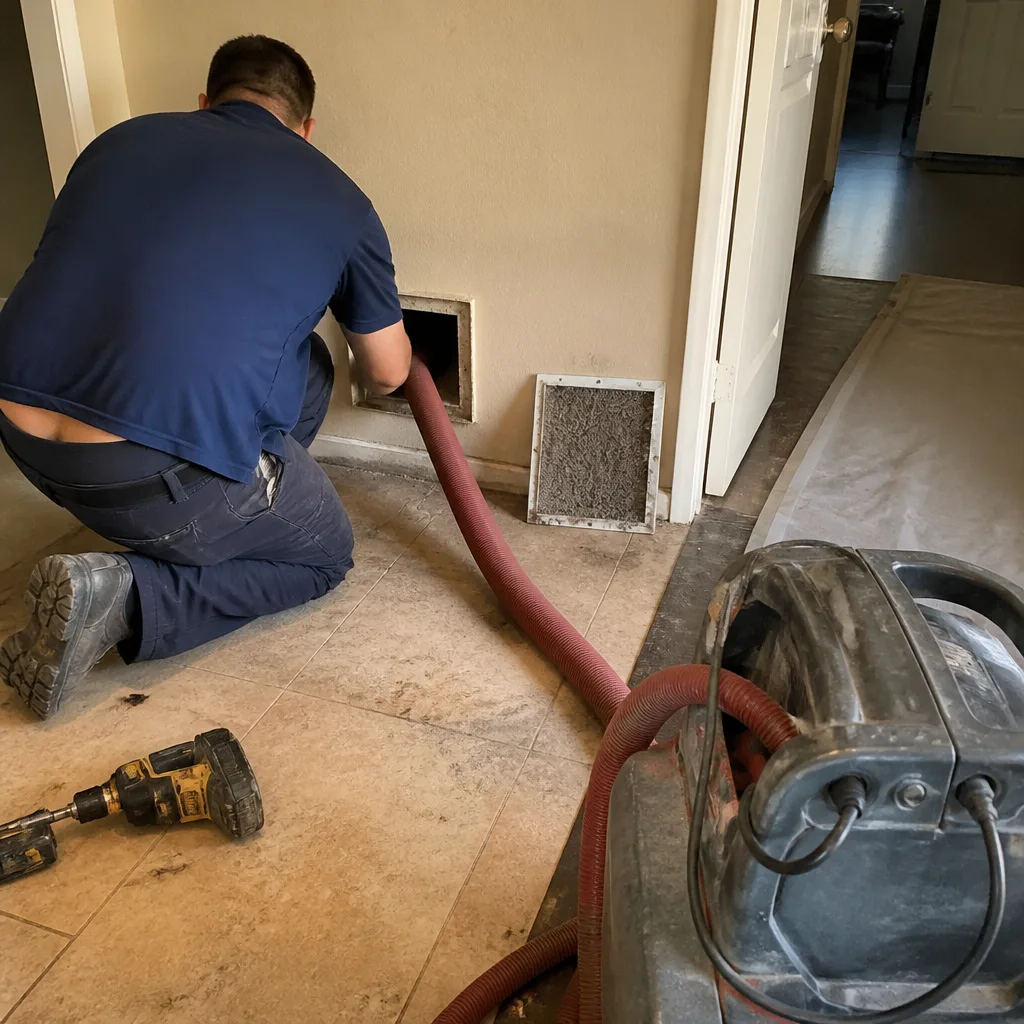
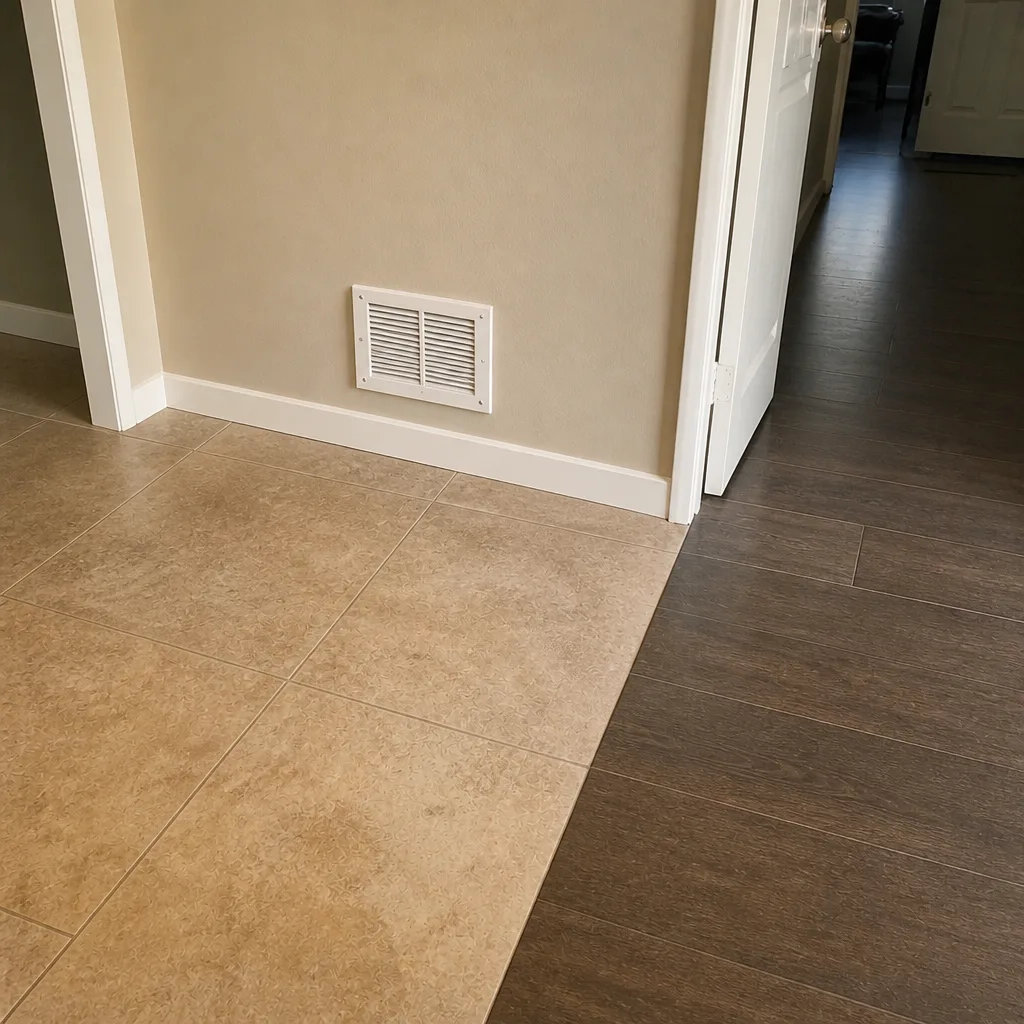
Whole-system duct and dryer vent check with before-and-after photos - you see exactly what came out of your vents
That "$99 whole-house special" is a bait ad - the real number appears once they are in your hallway, or the "clean" is a shop-vac at the register. We photograph the inside of your ducts before and after instead.
Air Duct Cleaning Maintenance Checklist for Hawthorne Homeowners
Most Hawthorne homeowners treat duct maintenance like a calendar event: change the filter when the packaging says to, maybe vacuum a register if it looks dusty, and call it done. That approach ignores how this city actually works. Hawthorne sits under a flight path, alongside major freeway corridors, and downwind of the kind of inland dust that Santa Ana winds push through the South Bay. Your ducts don’t get dirty on a schedule. They get dirty when events happen. A wind event, a nearby construction project, a wildfire smoke plume drifting over the 105, even a stretch of heavy traffic on Rosecrans Avenue all load particulate into your home’s air system. This guide is a maintenance checklist built around those triggers, not around a generic 90-day reminder. You’ll learn what to check, when to check it, and what to log so the next professional cleaning has real data to work from.
Styles & brands we work with
- Whole-home duct cleaning
- Dryer vent cleaning
- Camera inspection
- Sanitizing & deodorizing
Quick Answer
An effective air duct maintenance checklist for Hawthorne homeowners tracks event-based triggers like Santa Ana wind events, wildfire smoke, and local construction activity, not just calendar dates. Inspect register faces for discoloration patterns and debris type every 30 to 60 days, check airflow balance by hand at least twice a year, and keep a written log of filter changes plus any professional cleaning details like access point photos and static pressure readings. A professional cleaning is warranted when register discoloration returns within weeks of cleaning, when airflow drops noticeably in one or more rooms, or after a documented contamination event like wildfire smoke intrusion.
Table of Contents
- Event-Triggered Checkpoints vs. Calendar Checkpoints
- How to Do a Simple Airflow Balance Check at Registers
- Filter Grade Selection for Hawthorne’s Particulate Environment
- What the Register Face Tells You About What’s Deeper in the System
- What to Log After Each Professional Cleaning
- Hawthorne’s Seasonal Contamination Patterns and What They Mean
- Common Mistakes to Avoid
- When to Call a Professional
- Frequently Asked Questions
- The Bottom Line
Event-Triggered Checkpoints vs. Calendar Checkpoints
A calendar tells you when to change a filter. It doesn’t tell you when your ducts collected a fresh layer of fine silt from a Santa Ana event, or when a neighbor’s remodel sent drywall dust through your return vents. For Hawthorne specifically, we’ve found that event-based checkpoints matter more than date-based ones. The city’s position between the 405 and the 105, its proximity to LAX flight paths, and its exposure to the same inland wind patterns that carry dust from the Mojave all mean particulate loading happens in bursts, not gradually. A homeowner who only checks their system on a quarterly schedule might miss an entire contamination event for months.
Here’s a simple framework. Keep your calendar checkpoints as the baseline: filter inspection monthly, register wipe-down every 60 days, professional cleaning every 3 to 5 years depending on home conditions. Then add event-triggered checkpoints on top of those.
- After a Santa Ana wind event: Check all register faces within 48 hours. Santa Ana conditions push fine dust through even closed windows and door seals. You’re looking for a fresh, even layer of tan or gray powder on register louvers.
- After wildfire smoke reaches Hawthorne: Inspect the filter immediately. If the filter shows dark gray or brown discoloration, replace it regardless of how recently you installed it. Smoke particulate is fine enough to pass through a loaded filter and deposit deeper in the duct system.
- After nearby construction activity: If a home within two or three blocks is being renovated, or if the city is doing street work on your block, check register faces for white gypsum dust. Drywall and concrete dust settles quickly but also pulls into return air streams when doors open and close.
- After any interior work in your own home: Sanding floors, removing old carpet, even a deep clean that disturbs settled dust all introduce particulate that your HVAC system will pull through returns and redistribute.
- After a period of heavy traffic on nearby arterials: Hawthorne Boulevard, Rosecrans Avenue, and El Segundo Boulevard all carry consistent traffic. If you’ve had windows open during a stretch of heavy traffic days, check filters sooner than your normal interval.
What makes this approach work is logging what you find. A simple notebook entry or a note on your phone with the date, what you observed, and what action you took creates a record that professional technicians can use later. When you call for air duct cleaning, the technician can look at your log and understand your home’s specific contamination pattern instead of starting from zero.
How to Do a Simple Airflow Balance Check at Registers
You don’t need an anemometer or a manometer to spot early airflow problems. Your hand and a piece of tissue paper will tell you a lot. The goal is to establish a baseline for what normal feels like in each room, so when something changes, you notice it early. Here’s a no-tools method that takes about fifteen minutes.
- Close all exterior doors and windows. You want the system running in its normal operating state, not fighting outside airflow.
- Set the thermostat fan to ON, not AUTO. This runs the blower continuously so you can compare rooms at the same time. Turn off any zoning dampers if your system has them.
- Walk the house and hold a single-ply tissue near each supply register. Hold it about six inches away, then slowly bring it closer. Note how far the tissue moves: a strong flutter at distance, a mild flutter up close, or barely any movement.
- Compare rooms on the same floor and same side of the house first. Bedrooms on the east side should feel similar to each other. If one bedroom has noticeably less airflow than the one next door, that’s an imbalance worth investigating.
- Check return registers separately. Hold the tissue near a return. It should pull toward the grille firmly. A weak pull suggests the return path is restricted, which forces the system to work harder and can pull air from unconditioned spaces like attics or wall cavities.
- Note any rooms that are consistently hotter or cooler than the rest. That’s often a sign of a duct restriction, a damper that’s partially closed, or a disconnected section somewhere in the run.
What you’re looking for is change over time, not perfection. A room that’s always run a little warm since you moved in may just be at the end of a long duct run from the air handler. But a room that used to cool evenly and now doesn’t, that’s a signal. In Hawthorne homes, we often see airflow drops in rooms closest to attic access points, because that’s where duct runs get disturbed by homeowners moving stored items, by cable installers, or by pest activity. A simple airflow check every six months will catch many problems before they become full system failures. If you find a room that’s clearly underperforming, that’s worth a call to Duct Cleaning Hawthorne before you assume it’s an HVAC equipment issue.
Filter Grade Selection for Hawthorne’s Particulate Environment
The filter in your HVAC system does two jobs: it protects the equipment and it improves the air you breathe. Those jobs don’t always call for the same grade. For Hawthorne specifically, the question of what MERV rating to choose is shaped by what’s in the air here: fine road dust from high-traffic arterials, occasional smoke particulate from regional wildfires, and the kind of sub-micron particles that come off brake pads and tires along the 105 corridor.
A standard fiberglass panel filter, the kind that costs a few dollars and has a MERV rating between 1 and 4, catches only the largest particles. It keeps pet hair and visible dust clumps out of the blower motor. It does almost nothing for the fine stuff that settles in duct interiors. For most Hawthorne homes, a MERV 8 pleated filter is the practical minimum. It captures a meaningful portion of the 3 to 10 micron particles that dominate road dust and most household allergens, and it doesn’t create excessive pressure drop in a standard residential air handler.
Upgrading to MERV 11 or MERV 13 changes the math. These capture smaller particles including smoke and much of what triggers respiratory irritation, but they also restrict airflow more than a MERV 8. On a system not designed for that added resistance, a high-MERV filter can reduce airflow across the coil, increase energy use, and in the worst case cause the coil to freeze in summer. If your system is older or you don’t know its static pressure rating, don’t just drop in a MERV 13 because the packaging sounds good.
The practical guideline we give Hawthorne homeowners: use MERV 8 as your standard unless you have a specific reason to go higher, like a household member with asthma or a period of active smoke exposure. If you do go to MERV 11 or 13, check the filter more often. Higher-efficiency filters load faster because they catch more, and a loaded high-MERV filter starves your system of airflow faster than a loaded MERV 8 would. The filter’s job is to protect the ducts from accumulating particulate. A good filter slows down how fast your duct interiors load up, which extends the time between professional cleanings. A neglected filter accelerates duct contamination. The two systems work together.
What the Register Face Tells You About What’s Deeper in the System
A supply register is the visible end of a long, dark passage. What accumulates on its face is a sample of what’s moving through the entire run. Learning to read register discoloration and debris patterns gives you a monitoring tool that costs nothing and works every time you walk past a vent. Here’s what different patterns typically indicate in Hawthorne homes.
Even, light gray or tan dust on the louvers: This is normal atmospheric dust, the fine stuff that’s always in South Bay air. It accumulates on any surface air moves across. Wipe it off monthly. If it returns thickly within a week or two, your system is moving more particulate than a filter should be allowing, and the filter likely needs attention.
Dark smudging or streaking around the register edges: This pattern often indicates air bypassing the filter. When return air pulls through gaps around a poorly seated filter or through returns that don’t have filters at all, it carries unfiltered particulate into the duct system and out through supply registers. The dark streaks are what fine combustion soot and traffic particulate look like when they deposit. This is common in Hawthorne homes near busy roads where windows or doors are opened frequently.
White or chalky powder: In this area, that’s usually gypsum or drywall dust. If you haven’t done interior work recently, it may be pulling from a neighbor’s renovation or from street work. Gypsum dust is abrasive and hygroscopic, meaning it absorbs moisture and can cement itself to duct surfaces. It’s worth a professional cleaning if you’re seeing it repeatedly.
Fibers or lint clinging to supply louvers: Supply registers push air out, so fibrous material collecting on them means those fibers are already inside your ducts. The source is often cheap fiberglass insulation degrading in an attic duct run, or pet hair that’s bypassed the filter and circulated. Combined with an airflow drop in the same room, this points to a duct integrity issue.
Mold-like spots or staining: Any dark, irregular staining that smells earthy or musty should be checked by a professional. Humidity in crawl spaces and attics is the usual culprit in Hawthorne homes, especially older construction with unsealed duct connections. Mold in ducts is a specific contamination problem, not a cosmetic one.
Register faces give you a continuous, free monitoring signal. Log what you see when you wipe them down. Over time you’ll learn your home’s normal, and anything outside that pattern becomes actionable.
What to Log After Each Professional Cleaning
A professional air duct cleaning should leave you with more than cleaner air. It should leave you with a record. Most homeowners don’t ask for this, and most contractors don’t volunteer it unless asked. We think that’s a gap. Here’s what to ask for and what to keep in your own records after any professional duct cleaning in Hawthorne.
Access point photos: Before-and-after photos taken through the access points the technician opens in the duct runs. These show the actual condition of the duct interior, not just a marketing shot of the equipment. If a company won’t show you photos of your own ducts, ask why. Photo documentation of access point locations also matters for future service calls, because the next technician won’t need to guess where to cut.
Static pressure reading: A professional cleaning operation should measure static pressure before and after the job, ideally at the return and supply plenums. The numbers tell you whether the system was operating under excess resistance before cleaning, and whether that resistance dropped after. If your system was at 0.7 inches of water column before and 0.5 after, you have a quantifiable improvement. If the reading didn’t move, the restriction may be upstream, like a filter issue or a collapsed duct section.
Filter replacement date and grade: Note the MERV rating of the new filter if one was installed, and the date. Set your next inspection interval from that date.
Observations the technician made: Any notes about duct material, insulation condition, disconnected sections, evidence of pest activity, or moisture staining. These are findings, not upsells. A good technician will tell you what they saw and what it means even if it doesn’t generate a bill for them today.
Equipment used: If you specifically want professional-grade extraction, ask what system the company runs. We use Rotobrush and Nikro equipment, the same class of machinery used in commercial and remediation settings. Consumer-grade equipment can’t achieve the same level of negative air extraction, and your log should reflect what was actually done. Honeywell and Aprilaire filtration components installed during or after a cleaning should also be noted, since they change your ongoing maintenance picture.
Your log becomes the baseline for every future decision. When someone asks how old your ducts are or when they were last cleaned, you have an answer that isn’t a guess. When you sell the home, that log is a selling point. And when you call for the next cleaning, the dispatcher knows what we’re walking into.
Hawthorne’s Seasonal Contamination Patterns and What They Mean
Hawthorne’s climate is mild by any standard. No freeze-thaw cycles, no humidity swings like the Gulf Coast, no seasonal shut-down where your HVAC sits unused for four months. That means your system runs year-round, which means ducts accumulate continuously. But the type of accumulation changes with the seasons, and a maintenance routine should shift with it.
Fall through winter: the Santa Ana season. Santa Ana winds typically arrive between September and February. These are the events that push fine inland dust and smoke particulate into Hawthorne in concentrated bursts. After each Santa Ana event, we recommend checking filters and register faces. The dust is fine, dry, and settles quickly inside ducts because there’s no humidity to keep it airborne once the wind drops. A filter that looked clean a week ago may be coated after a single strong event.
Spring: construction season ramps up. Remodeling and new construction pick up across the South Bay in spring. That means more concrete trucks, more drywall sanding, more dumpsters being loaded, more particulate in the air within a few blocks of any active job. If you see scaffolding or a porta-potty anywhere on your street, step up your register inspections. Construction dust is heavy, settles fast, and if it’s pulled into a return, it can accumulate in the first few feet of duct run quickly.
Summer: the system works hardest. When the blower runs more, more air passes through the ducts per day. That’s more opportunities for whatever is already inside to be redistributed, and more particulate pulled past a filter that’s getting loaded. Summer is when airflow imbalances become most noticeable, because a room with a restricted duct run becomes uncomfortable faster when cooling demand is high.
Year-round: traffic and aviation particulate. Hawthorne sits in a dense corridor. The 105, the 405, Hawthorne Boulevard, Rosecrans, and LAX flight paths all contribute to a constant low-level particulate load that varies by wind direction and time of day. This isn’t a seasonal problem. It’s a background condition that makes regular filter maintenance more important here than in a low-traffic suburban area. The homes we service in Hawthorne tend to need filter attention a little sooner than the packaging suggests, simply because the ambient air carries more fine particulate.
Common Mistakes to Avoid
- Treating filter changes as the whole maintenance program. A filter is a line of defense, not a cleaning system. Ducts still accumulate the particulate that gets past the filter and through return leaks. Relying on filters alone is like only changing the oil in a car and never checking the air filter housing.
- Using the highest MERV filter available without checking system compatibility. A MERV 13 filter on a system with marginal static pressure makes airflow worse, not better. Have a technician measure static pressure before making a big filter upgrade, especially in older Hawthorne homes with original ductwork.
- Closing registers in unused rooms to direct air elsewhere. This raises system static pressure and can force air past the filter or through leaky duct connections. It doesn’t save energy in a standard single-zone system. If you want zoned airflow, that’s a duct modification, not a register position.
- Ignoring return registers entirely. Most homeowners check supply registers and never look at returns. Returns pull air in, which means they pull in whatever dust, pet hair, and household particulate is floating nearby. A dirty return is a sign your system is actively pulling that into the ducts.
- Waiting for visible dust on furniture before considering duct cleaning. The fine particulate that most affects indoor air quality in Hawthorne, like road dust and smoke residuals, settles inside duct runs long before it becomes visible on a coffee table. If you wait for the obvious signal, you’ve already been breathing the invisible load for months.
- Hiring a duct cleaning company based on a low per-vent price. Per-vent pricing invites a race to claim more vents than you actually have, or to call a 10-minute vacuum pass a cleaning. A legitimate whole-system cleaning with professional extraction equipment is priced per job, not per vent, and includes access points, agitation, and negative air extraction.
- Not asking what equipment will be used. A shop vac attached to a register is not duct cleaning. Professional extraction systems like the Rotobrush and Nikro equipment we run create negative pressure throughout the duct run while agitating the surfaces, which is the difference between moving dust around and removing it. Ask before you book.
When to Call a Professional
Some conditions you can monitor yourself. Some require professional equipment and someone who reads ducts every day. Call a professional if register discoloration returns within weeks of cleaning, which suggests an active contamination source upstream. Call if airflow drops noticeably in one or more rooms and your tissue test confirms the imbalance isn’t just perception. Call after a documented event like wildfire smoke intrusion or a significant remodel that pulled dust through your system. Call if you see mold-like staining or smell a persistent musty odor from registers, because that’s a contamination issue that needs source identification, not just surface cleaning. Call if your system has never been professionally cleaned and the home is more than five years old. Duct Cleaning Hawthorne offers free estimates in Hawthorne, and we’ll walk the system with you before any work is quoted. Call (855) 473-3133. We answer 24/7. Fast dispatch from 7am to 7pm, Sunday through Friday.
Frequently Asked Questions
Most Hawthorne homes should have professional duct cleaning every 3 to 5 years, with the shorter interval applying to homes near busy roads, homes with pets, or homes where someone has respiratory sensitivities. Event-based triggers like Santa Ana wind events and wildfire smoke exposure can shorten that interval. If your filter loads faster than expected or register faces show recurring discoloration, clean sooner. Call (855) 473-3133 for an assessment of your specific home; estimates are free.
A MERV 8 pleated filter is the practical baseline for most Hawthorne homes because it catches road dust and typical household allergens without over-restricting most residential air handlers. Upgrade to MERV 11 or 13 only if you have a specific reason like asthma or active smoke exposure, and have a technician verify your system can handle the added static pressure. Higher-MERV filters reduce how fast duct interiors accumulate particulate, which extends time between professional cleanings.
Check the register faces after you’ve wiped them clean. If a fresh, even layer of dust appears within two weeks, the system is moving particulate that the filter isn’t catching, and the ducts are likely accumulating it too. Dark streaking around register edges, white gypsum powder after nearby construction, or fibers clinging to supply louvers all indicate material deeper in the system. A filter change addresses what’s ahead of the blower; duct cleaning addresses what’s behind it.
Inexpensive duct cleaning quotes typically reflect consumer-grade equipment, no access points cut into the runs, and a quick pass with a vacuum hose rather than professional negative-air extraction. A legitimate whole-system cleaning uses professional extraction equipment like Rotobrush or Nikro systems, cuts access points to reach all sections, agitates duct surfaces mechanically, and documents the work with before-and-after photos of your actual ducts. The price difference is the difference between moving dust around and removing it.
Yes, and it’s often the most urgent item. Dryer vent cleaning addresses a documented residential fire risk, and Hawthorne homes with long vent runs or older installations should have vents inspected annually. Lint accumulation is a safety issue first and an airflow issue second. If your dryer takes longer than one cycle to fully dry a normal load, or if the exterior vent flap doesn’t open fully during operation, schedule a vent cleaning soon.
Expect a walkthrough of your system first, including register count, access point locations, and any visible issues before work begins. The cleaning itself should use professional extraction equipment that maintains negative pressure throughout each duct run while mechanical agitation loosens debris from the walls. Afterward, expect before-and-after photos of your ducts, a static pressure reading if you ask for one, and clear notes on any findings like disconnected sections, insulation issues, or moisture staining. Call (855) 473-3133 to schedule an estimate. We answer 24/7. Fast dispatch from 7am to 7pm, Sunday through Friday.
The Bottom Line
A useful duct maintenance checklist for Hawthorne is a tracking system, not a calendar. Log filter changes, register observations, airflow checks, and professional cleaning details like access point photos and static pressure readings. Inspect after events: Santa Ana winds, wildfire smoke, nearby construction, heavy traffic stretches. Use an appropriate filter for your system and your household’s needs, and verify static pressure before jumping to a high-MERV upgrade. Read the register faces and learn your home’s normal. Most importantly, treat professional cleaning as the reset point for your log, not the end of maintenance. A clean system with a good record is easier to keep clean. That’s the whole game.
Written by the team at Duct Cleaning Hawthorne, serving Hawthorne since 2014.
See the difference
 Before
 After
 Before
 After
 Before
 After